




























To Clarify Legislative Authorities: House of Representatives Examines the Impeachment Procedure Act of 2025
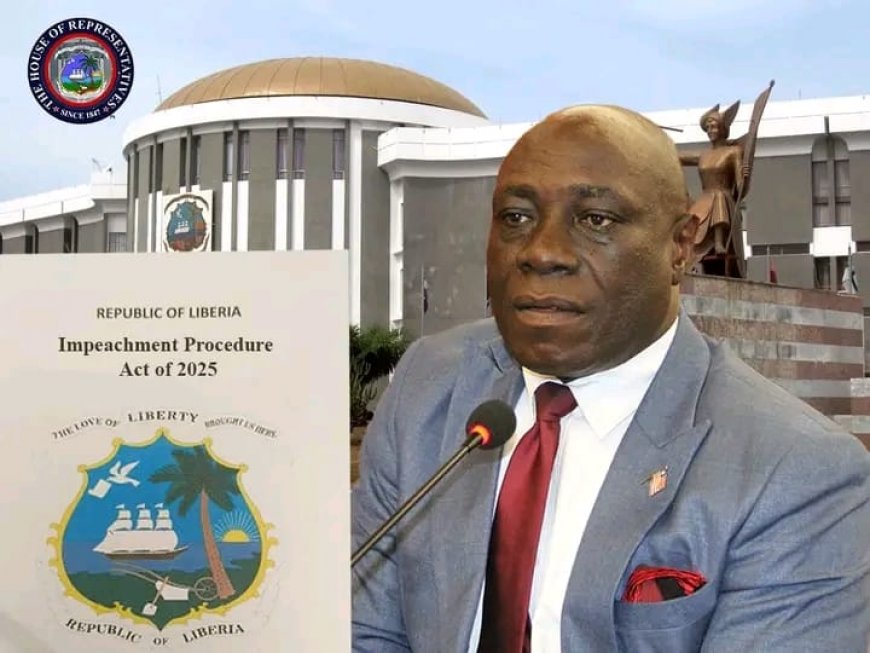
CAPITOL HILL, MONROVIA: The Plenary of the House of Representatives has begun discussions on an important draft legislation called the “Impeachment Procedure Act of 2025.” This act aims to create a clear and transparent framework for initiating and conducting impeachment proceedings within Liberia’s legislative system.
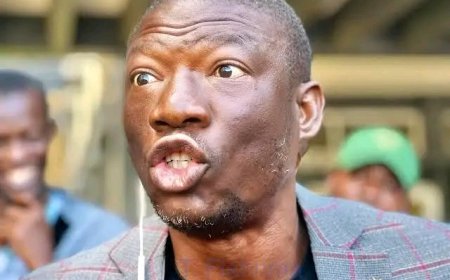
The bill, sponsored by Representative Nyan G. Flomo of Nimba County Electoral District #2, was formally introduced during the House's eighth day sitting of the third quarter of the second session on Tuesday, November 11, 2025.
The proposed law outlined in the draft seeks to fully implement Article 43 of the 1986 Constitution of Liberia. This article grants the Legislature the exclusive power to impeach and try public officials for misconduct or other impeachable offenses.
Representative Flomo pointed out that the lack of a clear statutory process for impeachment has historically led to procedural ambiguity and public distrust in how these cases are managed. "This Act aims to guarantee due process, fairness, and accountability in accordance with our constitutional mandate," he emphasized.
The Impeachment Procedure Act of 2025 specifies the steps for initiating a petition, investigating charges, and conducting hearings. It also details the rights of the accused and the Senate's role as the trial body.
The measure aims to prevent politically motivated impeachments while enhancing legislative integrity and oversight.
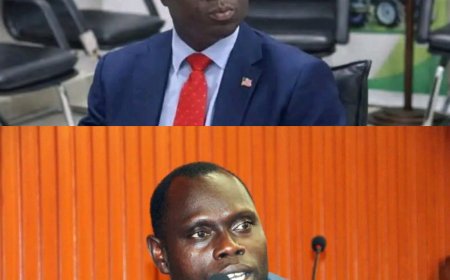
After the bill's first reading, a motion by Representative Anthony Williams of Maryland County Electoral District #2 received unanimous approval, sending the proposed legislation to the Committees on Judiciary and Good Governance.
The committees have been directed to conduct a thorough review and report back to the plenary session within two weeks for further legislative measures.
If the Impeachment Procedure Act is enacted, it will signify one of the most important reforms in Liberia’s legislative governance, potentially establishing a new standard for transparency and accountability in public office.
What's Your Reaction?
 Like
0
Like
0
 Dislike
0
Dislike
0
 Love
0
Love
0
 Funny
0
Funny
0
 Angry
0
Angry
0
 Sad
0
Sad
0
 Wow
0
Wow
0