













WONGOSOL Advocates for Feminist and Community-Centered Climate Justice at the National Summit

MONROVAI, LIBERIA: The Women NGOs Secretariat of Liberia, also known as WONGOSOL, has made a strong appeal for a feminist and people-centered approach to climate justice.
The civil society group warns that climate change is rapidly worsening inequality, putting women, young people, and marginalized communities at increased social and economic risk.
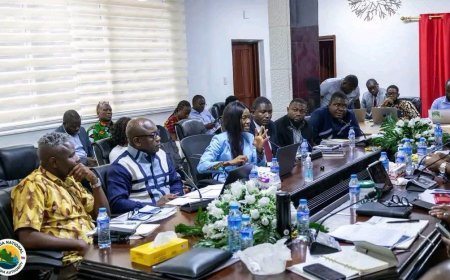
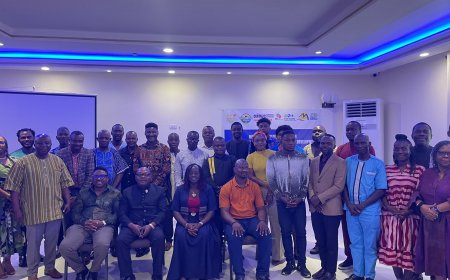
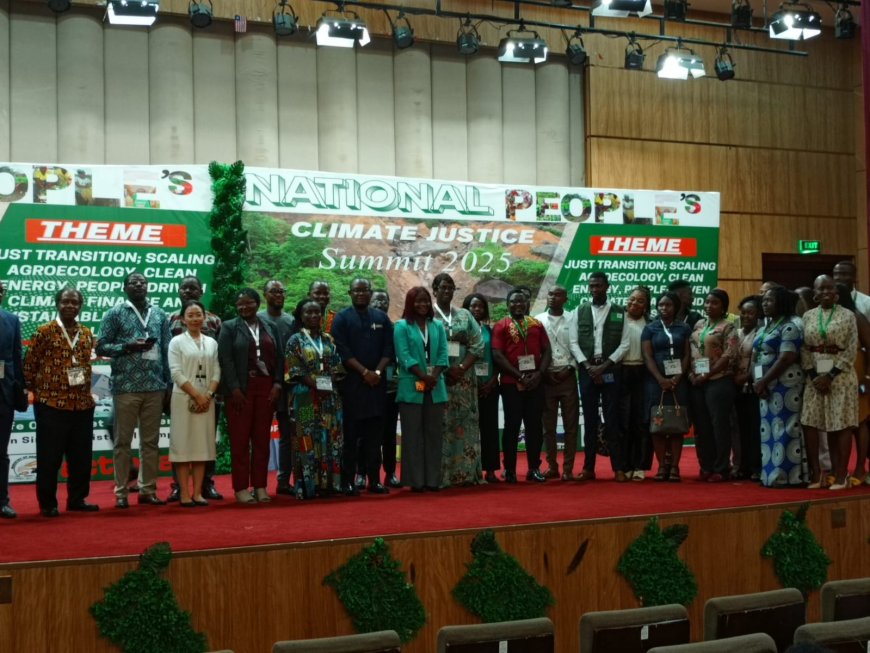
This call was issued during the kickoff of the two-day National People’s Climate Justice Summit, organized by ActionAid Liberia.
The theme of the summit is “Just Transition: Scaling Agro ecology, Clean People-Driven Climate Finance, and Sustainable Solutions for Liberia.”
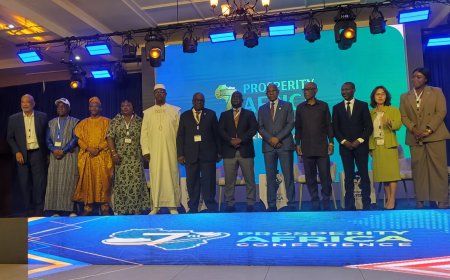
The event brought together civil society representatives, government officials, women leaders, youth advocates, and development partners to shape the climate justice agenda for Liberia.
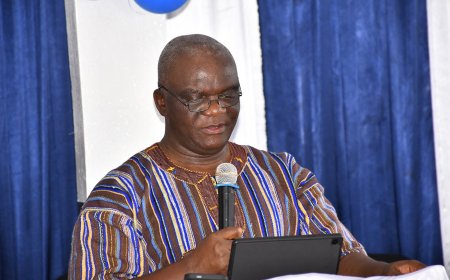
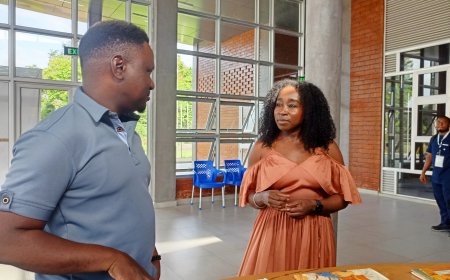
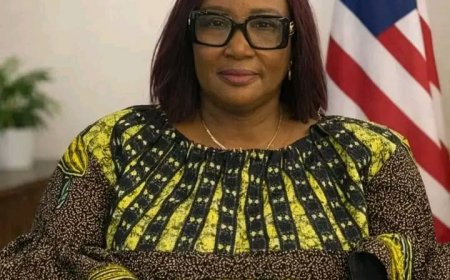
Speaking on behalf of the Executive Director, Madam Esther Yango, the WONGOSOL Membership Coordinator, Munah Kieh, emphasized that climate action in Liberia must move beyond mere rhetoric and address the structural inequalities that continue to marginalize women and vulnerable groups in climate decision-making.
Madam Kieh asserted that climate justice is not just an environmental issue but also a human rights concern. She pointed out that women and girls are disproportionately affected by climate shocks due to their limited access to land, energy, finance, and participation in policy-making.
She cautioned that without adopting a feminist perspective, climate policies risk perpetuating the same inequalities they aim to resolve.
Furthermore, Madam Kieh highlighted agro-ecology as a vital pathway to achieving climate resilience and food sovereignty. She noted that women farmers have nourished families and communities for generations through climate-smart practices such as seed preservation, crop diversification, and biodiversity protection—often without receiving the recognition, protection, or adequate support they deserve.
According to WONGOSOL, advancing agro ecology requires deliberate investment in women farmers, legal protection of land and resource rights, and the incorporation of indigenous knowledge into national agricultural policies and climate financing frameworks to ensure long-term sustainability.
The organization also highlighted the significance of a just energy transition, noting that women and girls are among those most affected by energy poverty, which impacts their health, safety, livelihoods, and unpaid care responsibilities.
Madam Kieh stated that Liberia’s energy transition must ensure meaningful participation of women, youth, and local communities in decision-making, implementation, and benefit-sharing.
WONGOSOL has called for inclusive and accountable governance in agriculture, highlighting that ongoing gaps in the participation of women and young people hinder transparency and limit effectiveness.
The organization has committed to supporting people-centered monitoring tools and grassroots scorecards that amplify community voices. This effort aims to contribute to building a just, resilient, and sustainable future for Liberia.
What's Your Reaction?
 Like
1
Like
1
 Dislike
0
Dislike
0
 Love
0
Love
0
 Funny
0
Funny
0
 Angry
0
Angry
0
 Sad
0
Sad
0
 Wow
0
Wow
0