






























House Concurs With Senate on Bills to Expand Administrative Districts in Lofa

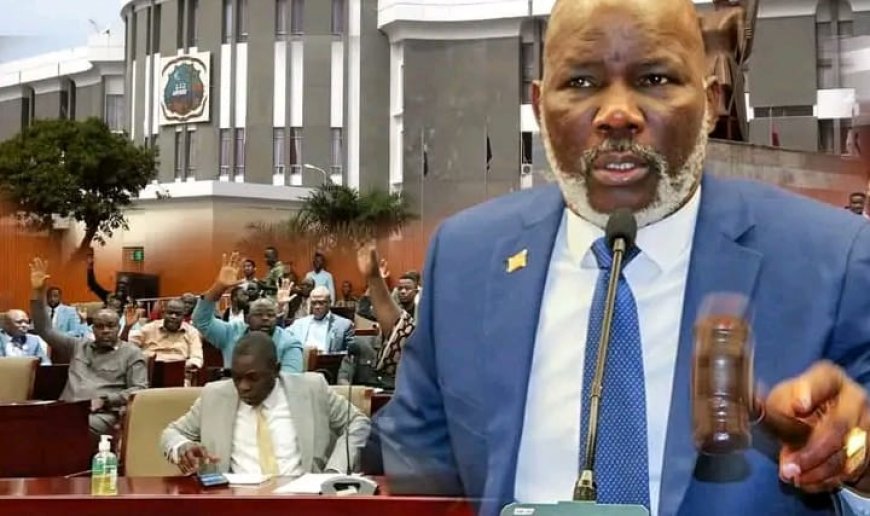
MONROVIA, LIBERIA:A major push to decentralize governance in Liberia is gaining momentum as the House of Representatives on Thursday, February 19, formally concurred with the Liberian Senate on six bills aimed at restructuring local authority and expanding administration districts in Lofa County.
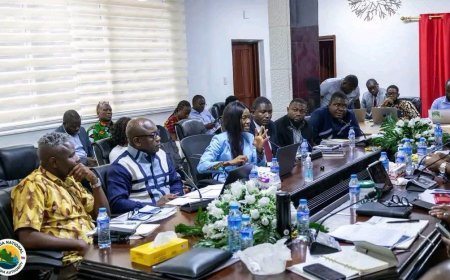
The decision was reached during the House’s 12th Day Sitting of the First Quarter of its Third Session, where lawmakers voted to endorse the Senate’s position following their deliberations. The move signalled a unified legislative front on enhancing grassroots governance.
At the center of the concurrence are engrossed bills—numbers 16, 17, 18, 19, 20, and 21—which collectively seek to create new administrative districts and townships across Lofa County to improve service delivery and local participation.
The six bills include: An Act to Create the Lower Worker Administrative District within Lofa County; An Act to Create the Zogonyamai Administrative District within Lofa County; An Act to Create the Township of Tubungaizue in Voinjama Administrative District.
Others are: An Act to Create the Township of Kpangbalamai in Lower Worker Administrative District; An Act to Create the Township of Kpakazzie in Zogonyamai Administrative District, Lofa County and An Act to Create the Township of Kpakamai in Lofa County.
Lawmakers say the passage of these measures reflects growing national urgency to bring governance closer to the people, particularly in rural counties where access to administrative services remains a challenge.
Following the concurrence, the Chief Clerk of the House has been instructed to officially notify the Liberian Senate, clearing the path for the bills to be transmitted to the President for assent.
Once signed into law, the new districts and townships are expected to unlock development opportunities, strengthen administrative efficiency, and ensure that citizens in Lofa County benefit from more responsive and localized governance structures.
The House reaffirmed its broader commitment to decentralization, emphasizing that empowering local communities remains critical to achieving inclusive growth and sustainable national development.
What's Your Reaction?
 Like
0
Like
0
 Dislike
0
Dislike
0
 Love
0
Love
0
 Funny
0
Funny
0
 Angry
0
Angry
0
 Sad
0
Sad
0
 Wow
0
Wow
0