























Liberian Senate Approves Offshore Oil Blocks in Narrow, Divisive Vote

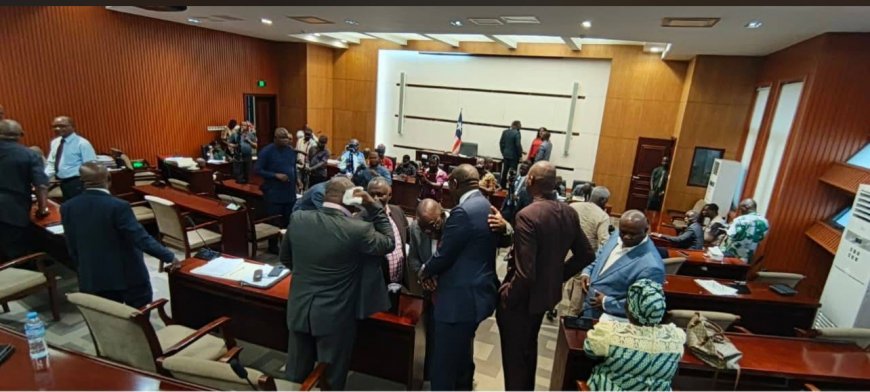
Monrovia, Liberia: The Liberian Senate on Thursday passed eight offshore oil block agreements involving TotalEnergies and Oranto Petroleum, concurring with the House of Representatives after weeks of scrutiny and high-level consultations. The votes highlighted sharp divisions within the chamber over the future of Liberia’s petroleum sector.
The TotalEnergies deal was approved by a narrow 21 votes, while the Oranto Petroleum agreement passed with 20 votes, signaling deep disagreements among senators. Supporters pushed for immediate voting without extended debate, citing time constraints, while opponents called for comprehensive deliberations due to potential economic, legal, and environmental risks.
Following consultations involving Vice President Jeremiah Koung, Senator Albert Chie, and Senate Pro Tempore Nyonblee Karnga Lawrence, the Senate leadership decided that senators would register their positions strictly through their votes, foregoing further debate.
How Senators Voted
- YES on both TotalEnergies and Oranto Petroleum:
Pro Tempore Nyonblee Karnga Lawrence, Edwin Snowe, Darius Dillon, Emmanuel Zoe Pennue, Botoe Kanneh, Numene Bartekwa (among others) - Supported TotalEnergies but voted NO on Oranto Petroleum:
Nathaniel McGill, Amara Konneh - Voted NO on both deals:
Glebo Brown (Maryland County), Gbehzohngar Findley (Grand Bassa County), Wellington Geevon Smith (River Cess County), Bill Twehway (River Cess County)
Senator Amara Konneh, a vocal critic of the Oranto Petroleum deal, warned that approving the contract without verified technical capacity and extending the exploration period beyond legal limits sets a dangerous precedent. Konneh emphasized that while Liberia welcomes investment, exploration, and partnerships, they must adhere to the law and protect the national interest.
The passage of these agreements marks a significant moment in Liberia’s oil sector, but the narrow votes and visible divisions underscore ongoing debates about transparency, environmental safeguards, and the country’s long-term petroleum strategy.
What's Your Reaction?
 Like
0
Like
0
 Dislike
0
Dislike
0
 Love
0
Love
0
 Funny
0
Funny
0
 Angry
0
Angry
0
 Sad
0
Sad
0
 Wow
0
Wow
0