















"Act Now" - CSOs Press GoL on Establishing Long-delayed War Crimes, Anti-Corruption Courts
Calls for the establishment of a War and Economic Crimes Court (WECC) as well as a specialized Anti-Corruption Court in Liberia are taking a new trend, as civil society organizations warned that continued delays may undermine the country's justice credibility. The establishment of the WECC and also a special Anti-Corruption Court has been a long-standing wish for many citizens, as successive governments vowed to bring the dream to reality.

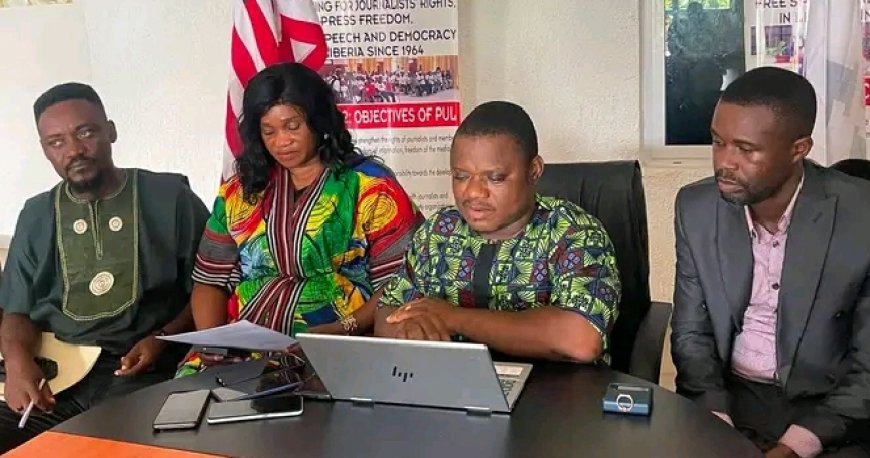
Monrovia, Liberia: Calls for the establishment of a War and Economic Crimes Court (WECC) as well as a specialized Anti-Corruption Court in Liberia are taking a new trend, as civil society organizations warned that continued delays may undermine the country's justice credibility.
The establishment of the WECC and also a special Anti-Corruption Court has been a long-standing wish for many citizens, as successive governments vowed to bring the dream to reality.
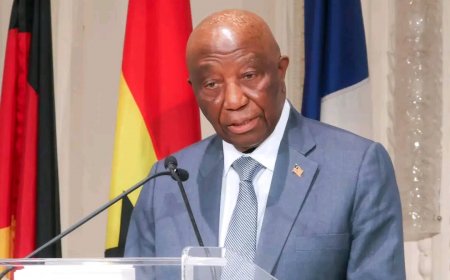
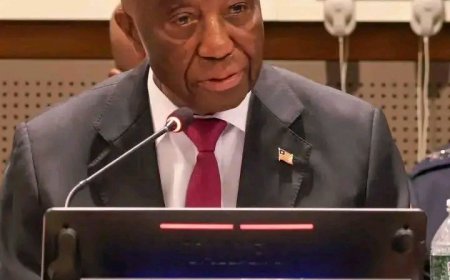
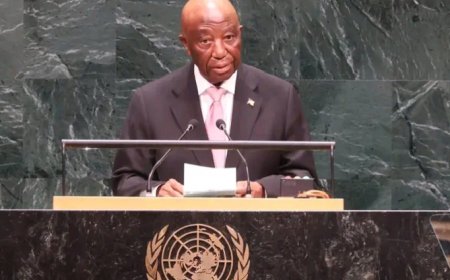
The current administration led by President Joseph Boakai has since moved to set up an office for the establishment of the War and Economic Crimes Court, yet bills to activate the courts remain stalled before the Legislature.
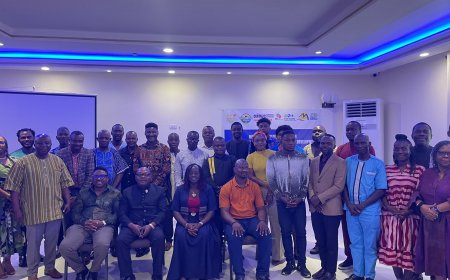
Now, a National Civil Society Consortium for Transitional Justice comprising local advocacy groups are pressing the Boakai-led government to swiftly act in passing the needed legislations to establish the courts.
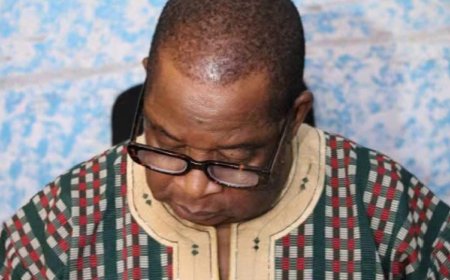
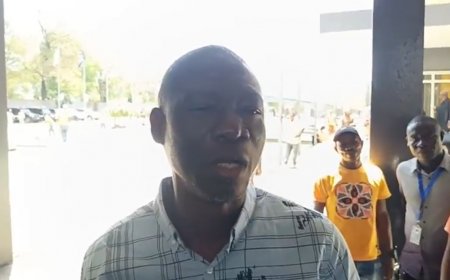
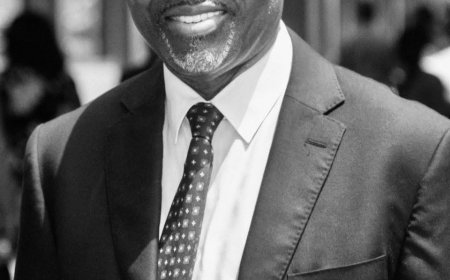
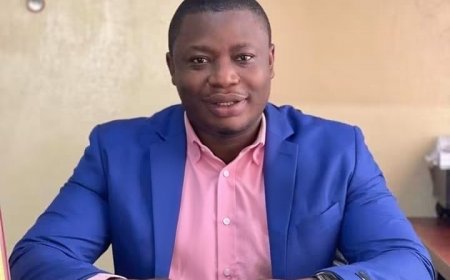
Speaking in a news conference on Tuesday, September 8, 2026 on behalf of the pressured advocacy groups, the Executive Director of the Center for Transparency and Accountability in Liberia (CENTAL), Anderson Miamen, admonished the government that prolonged delays only deepen impunity and deny victims of Liberia’s civil wars, justice.
According to the Miamen, victims have waited for too long for accountability and justice, adding that Liberia must prove to the outside World its zero telorance against crimes committed during the civil unrest in the country.
“The lack of a War and Economic Crimes Court perpetuates impunity, denies closure, and weakens reconciliation,” he said.
As Liberia anticipates to take on the presidency of the United Nations Security Council in December 2026, the consortium says the country’s international leadership should be matched by concrete progress on justice, human rights and accountability at home.
"Liberia’s leadership on the UN Security Council must be matched by concrete domestic reforms".
“Justice delayed is justice denied. And justice denied is a recipe for human rights violations, impunity, violence, poverty and underdevelopment. The Boakai administration must act now", the group noted.
An estimated 150,000 to 250,000 people lost their lives during Liberia's 14-year civil war which spanned from 1989 to 2003.
The war was caused by deep-rooted ethnic tensions, alleged widespread government corruption, and a violent military coup in 1980 that ended decades of political dominance by Americo-Liberians.
Meanwhile, on corruption, the consortium highlighted that the proposed National Anti-Corruption Court would strengthen Liberia’s ability to prosecute corruption cases and protect public resources.
“When established, adequately funded, and fully functional, the Specialized National Anti-Corruption Court will play an indispensable role in fostering accountability by ending impunity for corruption, safeguarding public resources and assets", the group pointed out.
The consortium comprises the Center for Transparency and Accountability in Liberia (CENTAL), the Women’s NGO Secretariat of Liberia (WONGOSOL), the Association of Female Lawyers of Liberia (AFELL), the Liberia Council of Churches (LCC), the National Muslim Council of Liberia (NMCL), and the Press Union of Liberia (PUL).
What's Your Reaction?
 Like
0
Like
0
 Dislike
0
Dislike
0
 Love
0
Love
0
 Funny
0
Funny
0
 Angry
0
Angry
0
 Sad
0
Sad
0
 Wow
0
Wow
0