




CDC-COP Blasts Liberia’s UN Stance on Venezuela's Crisis; Says Boakai-Koung Regime Ignoring Domestic Hardship

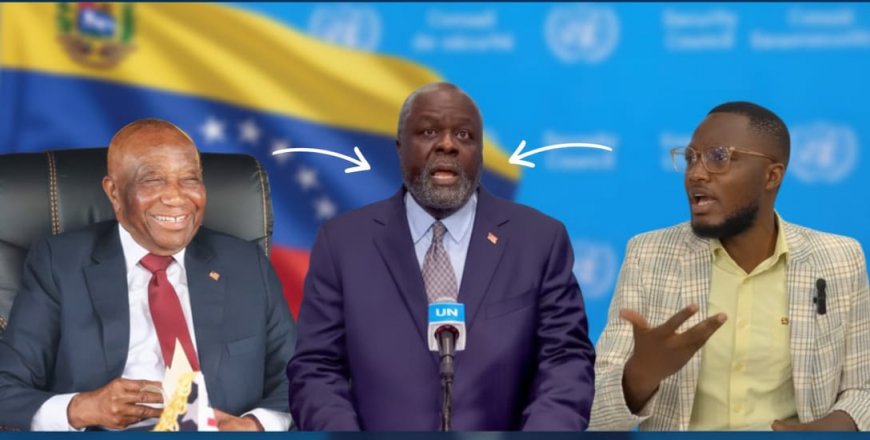
MONROVIA, LIBERIA: The Coalition for Democratic Change–Council of Patriots (CDC-COP) has publicly condemned the Boakai-Koung administration’s foreign policy posture on Venezuela, accusing the government of indulging in lofty international diplomacy while ordinary Liberians sink deeper into economic despair.
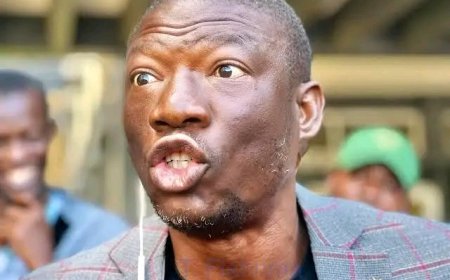
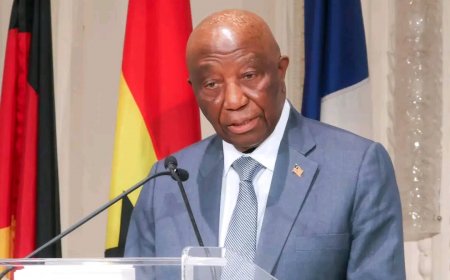
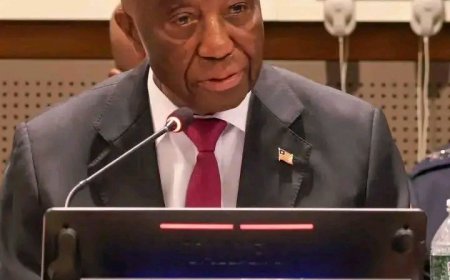
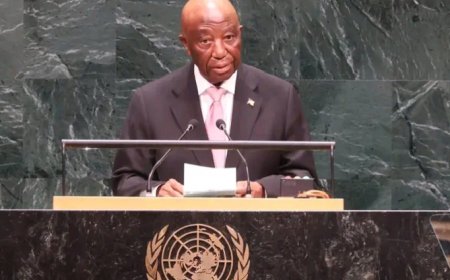
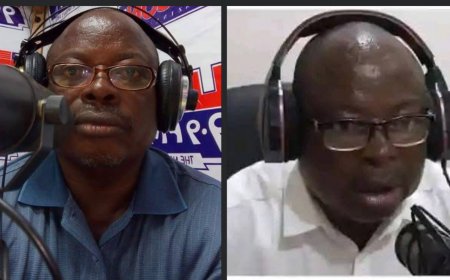
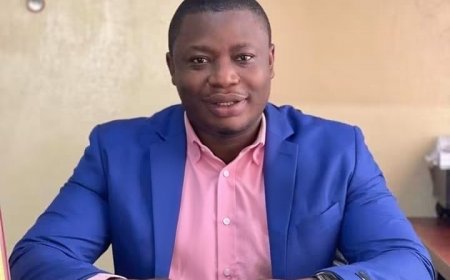
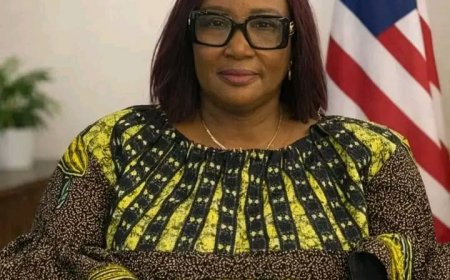
In a press conference held Tuesday, January 13, 2026, CDC-COP National Chairman Foday N. Massaquoi took direct aim at a statement delivered on January 5, 2026 at the United Nations Security Council by Liberia’s Permanent Representative, Ambassador Lewis G. Brown II, who spoke on behalf of the A3 bloc comprising Liberia, the Democratic Republic of Congo, and Somalia.
The UN intervention urged restraint, dialogue, and a peaceful, Venezuelan-led solution to the crisis, emphasizing respect for international law, state sovereignty, and constitutional order.
Venezuela is experiencing severe in need, with millions lacking food, water, and healthcare due to reported economic collapse, political instability, and sanctions, leading to mass displacement.
Chairman Massaquoi critique the Liberian government's position, stating that the government has done little to address the prevailing economic hardship in its territory, and as such, it does represent interest of the Liberian populace.
“This government’s pronouncements at the United Nations amount to diplomatic noise that means nothing to Liberians who cannot afford three square meals,” he declared, insisting that Liberia’s voice abroad has become disconnected from the pain at home.
According to the CDC-COP Chairman, the Boakai-Koung regime has misplaced its priorities by projecting moral concern for Venezuela while failing to confront what he described as a deepening social and economic crisis in Liberia.
He noted that rising food prices, inflation, unemployment, and collapsing public services now dominate daily life, to the extent that “many Liberians believe eating one meal a day is an achievement rather than a tragedy.”
The opposition leader further alleged that Liberia’s foreign policy may be vulnerable to external manipulation. Without presenting alleged verified evidence, Massaquoi called for an investigation into claims of a possible financial transfer linked to the Venezuelan government, warning that any such influence would represent a grave affront to national sovereignty and democratic accountability.
Beyond foreign affairs, he used the moment to indict the administration’s broader governance record, accusing it of entrenching corruption and tolerating abuse of power.
“Corruption, which used to be a vampire under the Weah governments, has now been promoted to a Cabinet Minister and sits boldly in the Executive Mansion,” he charged, echoing a metaphor that has gained traction in public discourse.
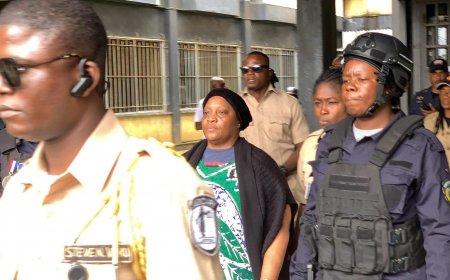
He also cited allegations of police brutality and weak accountability as evidence that the regime speaks eloquently about law and order abroad while failing to uphold justice and dignity at home.
“We have a government that speaks eloquently abroad but fails to address corruption, insecurity, and economic collapse at home,” Massaquoi said, warning that public trust is rapidly eroding.
The CDC-COP Chairman went further to urge the international community to scrutinize the conduct of specific Liberian officials, arguing that accountability must extend beyond diplomatic speeches to the real consequences of policy failure.
He maintained that Liberia’s official UN position on Venezuela “does not represent the views or priorities of the Liberian people,” but rather exposes a widening gap between the state and its citizens.
What's Your Reaction?
 Like
0
Like
0
 Dislike
0
Dislike
0
 Love
0
Love
0
 Funny
0
Funny
0
 Angry
0
Angry
0
 Sad
0
Sad
0
 Wow
0
Wow
0