Medica Liberia says community women's support groups accounted for 43.3 percent of gender-based violence referrals reviewed in a recent study, highlighting the critical role women are playing in connecting survivors to services in communities across the country.
The finding comes as the locally led feminist organization marks 20 years of work in Liberia, during which it says it has supported approximately 10,000 survivors of sexual and gender-based violence in 507 communities across 13 of the country's 15 counties.
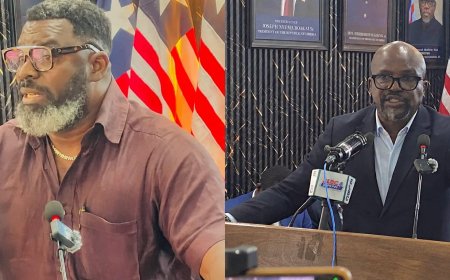
The organization disclosed the figures during a press conference in Monrovia ahead of its anniversary celebration, which begins Thursday, November 26, under the theme, “Many Hands, One Journey: 20 Years of Healing, Solidarity and Feminist Leadership.”
According to Medica Liberia, the study reviewed 3,647 gender-based violence referral records and found that community women's support groups established or strengthened through its interventions accounted for 43.3 percent of the referrals.
The organization said the finding demonstrates how community-based networks are helping survivors access services, particularly in areas where formal protection and support systems are often limited.
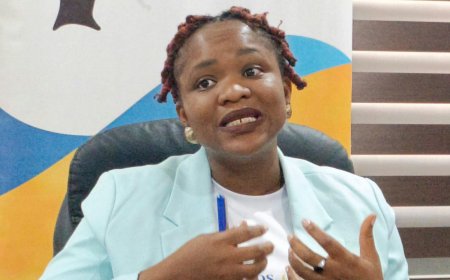
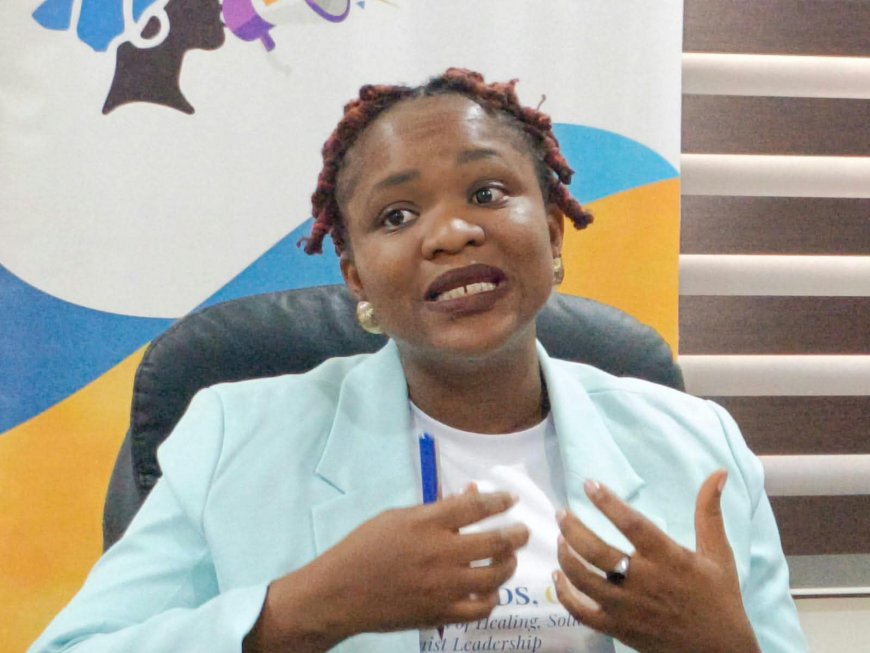
Cllr. Yah Vallah Parwon, Country Director of Medica Liberia, said the results reinforce the organization's belief that women must be recognized not only as recipients of assistance but also as leaders in addressing violence and inequality.
“Women are not simply beneficiaries of interventions, they are active agents of change within the communities where we work,” Parwon said.
Since beginning its work in Liberia in 2006, Medica Liberia says it has provided survivors with psychosocial support, facilitated access to medical and health services, and helped them obtain legal assistance, justice and protection.
The organization has also engaged more than 500 women in community support groups and strengthened local protection networks intended to bring services closer to survivors.
Beyond responding to violence, Medica Liberia said more than 2,500 women and girls have benefited from its economic empowerment interventions, aimed at strengthening their financial independence, decision-making power and agency.
It has also worked to improve the capacity of thousands of people, including healthcare workers, police officers, social workers, court officials, educators and community actors involved in responding to gender-based violence.
The organization said its approach has expanded over the years to address the root causes of violence through community engagement, challenging harmful social norms, involving men and boys, promoting youth leadership and influencing national policies.
Medica Liberia began as a program of the German feminist organization Medica Mondiale in 2006, particularly in southeastern Liberia, where women affected by the civil war faced widespread violence and limited access to support and justice.
On June 1, 2015, the organization became an independent, locally led feminist institution, marking what it described as an important step toward Liberian women's leadership and local ownership.
One of the organization's early experiences involved women in River Gee County making bricks used to construct a women's center that continues to support economic empowerment activities.
Parwon said the women's contribution represented more than the construction of a physical structure, but also embodied the principles of ownership, solidarity and women's leadership that have shaped the organization's work.
However, as Medica Liberia celebrates its achievements, it says the struggle against violence and inequality remains unfinished.
Survivors continue to face barriers to justice, quality services and protection, while economic inequalities, harmful social norms and unequal power relations continue to limit women's rights and opportunities.
The organization is particularly calling for the experiences and demands of women who suffered sexual violence during Liberia's civil war to be meaningfully reflected in the country's transitional justice process.
“As Liberia advances its transitional justice process, we must ensure that the voices, experiences, demands of these women are meaningfully reflected in national processes concerning accountability, justice and reparations,” Parwon said.
She described the anniversary as both a celebration of progress and a renewed call for action to ensure women and girls can live free from violence and discrimination.
The anniversary activities will run from November 26 to December 3 and include the official launch at the Ellen Johnson Sirleaf Ministerial Complex, a dialogue with the Office of the Establishment of the War and Economic Crimes Court for Liberia, and a learning session on the professional response to gender-based violence.
The organization will also travel to southeastern Liberia from November 28 to December 3 to reconnect with communities where its work began and recognize the contributions of women who helped shape its history.
Medica Liberia says it remains committed to building a country where survivors can access justice and support without fear or stigma, and where women's rights, voices and leadership are fully recognized.














 Like
0
 Dislike
0
 Love
0
 Funny
0
 Angry
0
 Sad
0
 Wow
0