
















Teaching for Free: Liberia’s Volunteer Teachers Face Years Without Pay


Paynesville, Liberia: As Liberia prepares to join the rest of the world in celebrating the Christmas season, thousands of volunteer teachers across the country are approaching the holidays with despair, frustration, and deep uncertainty after years of unanswered pleas to be placed on the government payroll.
“Every Christmas comes and goes with the same pain,” one volunteer teacher in Montserrado County said. “We teach the nation’s children, yet we cannot afford food, rent, or even transport to school.”
Despite repeated calls for regularization based on academic credentials and years of service, many teachers in public schools continue to work month after month with no salary, no stipend, and no clear expectation of compensation. For these educators, the end of each month brings disappointment rather than hope.
“When the month ends, there is nothing to look forward to,” another teacher lamented. “We work like paid teachers, but we live like beggars.”
Currently, more than 3,000 volunteer teachers are reportedly serving in public schools across Liberia. Some have remained in classrooms for six, nine, and even twelve years without ever being placed on the government’s payroll. Education observers describe the situation as a troubling failure of state responsibility.
“This is exploitation, pure and simple,” an education advocate said. “No government serious about development allows its teachers to work for nearly a decade without pay.”
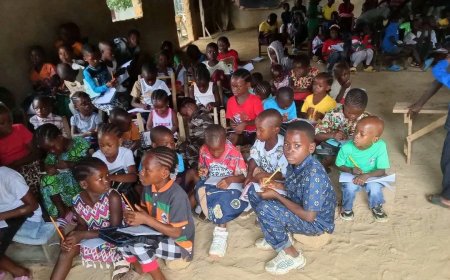
One of the loudest cries is emerging from Kendeja Senior High School in the Rehab Community, where volunteer teachers say they continue to make daily sacrifices to educate Liberia’s children under harsh economic conditions.
“Sometimes we come to school hungry, but we still stand before the students and teach,” a teacher at Kendeja Senior High School explained. “We rely on family members and good Samaritans just to survive.”
Liberia’s long-standing struggle against corruption and injustice has further exposed the volunteer teacher crisis as a national failure. Education advocates argue that allowing teachers to work without pay for nearly a decade undermines the integrity of the education system and casts doubt on the government’s commitment to national development.
As Christmas draws near, many volunteer teachers say they feel forgotten and silenced, with no assurance of a salary or stipend to meet basic family needs.
“We don’t even know how we will celebrate Christmas,” a volunteer teacher said quietly. “Our children are asking questions we cannot answer.”
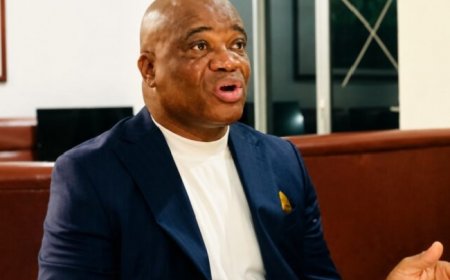
The issue recently resurfaced in the Legislature when Nimba County District Five Representative Kortor Kwagrue strongly condemned the prolonged use of volunteer teachers.
“When we become representatives, senators, ministers, or directors, we are placed on salary immediately,” Representative Kwagrue said. “Why should teachers be different? Why must they remain ‘volunteers’ for years?”
The lawmaker warned that continued neglect could encourage unhealthy practices in public schools.
“If you keep teachers hungry, you are encouraging corruption,” he cautioned. “Some may begin collecting money from students just to survive, and that is dangerous for our education system.”
Education stakeholders caution that if the situation persists, Liberia risks a widespread decay of its public education system.
“You cannot build a nation while destroying the dignity of its teachers,” one stakeholder warned. “If this continues, the consequences will be irreversible.”
Critics say the prolonged suffering of volunteer teachers raises serious questions about the effectiveness of the Ministry of Education, the commitment of its leadership, and the Legislature’s oversight role.
“Keeping qualified teachers unpaid for years is not policy failure alone,” a civil society actor noted. “It is moral failure.”
What's Your Reaction?
 Like
0
Like
0
 Dislike
0
Dislike
0
 Love
0
Love
0
 Funny
0
Funny
0
 Angry
0
Angry
0
 Sad
0
Sad
0
 Wow
0
Wow
0