


























House of Representatives Receives Petition Urging Rejection of Bill to Sanction Sande Society

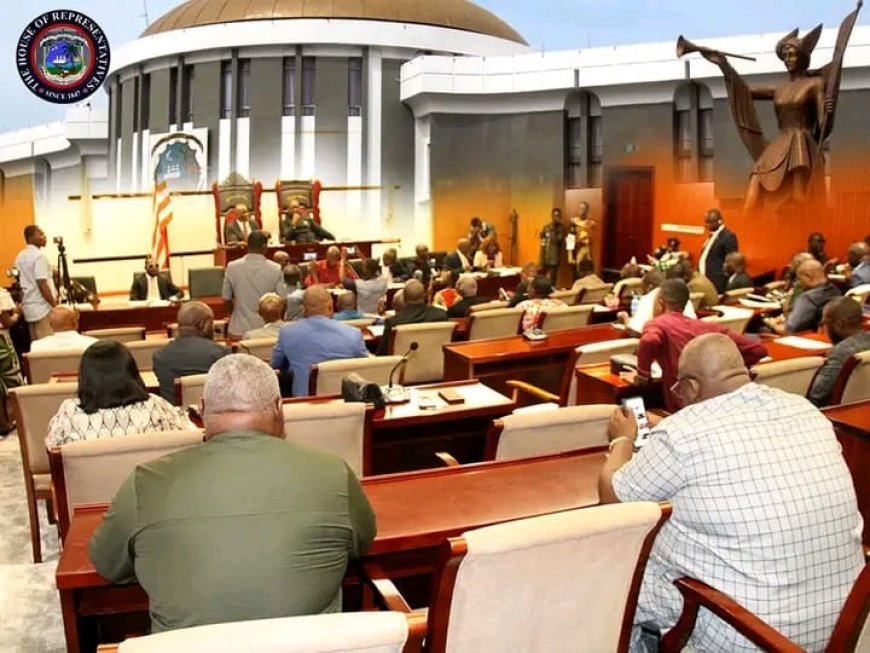
CAPITOL HILL, MONROVIA: The House of Representatives has received a formal petition from the National Association of Kpelle and Kpelle-Speaking People of Liberia, calling for the rejection of a controversial bill seeking to abolish the Sande Society and its long-standing traditional practices.
The petition presented by Mr. J. Lepolu Torlon, National Chairman of the Association during Thursday’s sitting— the 11th day meeting of the 3rd Quarter of the 2nd Session—and was read into the record by Deputy Chief Clerk Beyan Sali.
In the petition dated November 11, 2025, the Association argues that the Sande Society remains a pillar of Liberian cultural identity, especially among communities where its teachings have shaped social values for generations.
The group emphasized that the Sande has historically served as an institution for moral and ethical instruction, cultural education and preservation, training in womanhood and social responsibilities, and community cohesion and discipline.
The petitioners cited Article 5(b) of the Liberian 1986 Constitution, which mandates the State to “preserve, protect, and promote” positive Liberian culture.
Abolishing the Sande Society, the petitioner argues, would contradict this constitutional directive and erase an institution they consider foundational to traditional life.
While acknowledging rising debates around aspects of Sande operations, the Association urged lawmakers to pursue dialogue, reform, and regulated modernization rather than outright prohibition.
The petitioners maintained that it is possible to preserve cultural heritage while upholding human rights, contending that dismantling the Society entirely would deepen mistrust between traditional communities and the State.
The submission of the petition is expected to reignite longstanding national debate over the Sande Society, particularly regarding the involvement of minors, consent and bodily autonomy, health and safety standards in traditional practices, and allegations of coercion in some communities
Rights advocates have argued for years that certain practices associated with the Sande Society conflict with national laws and international human rights agreements.
For them, the current bill represents an opportunity for Liberia to confront these issues more boldly than in previous legislative cycles.
Following the reading of the petition, plenary referred it to the Committees on Health, Judiciary, Claims and Petitions, Internal Affairs, and Gender.
The committees have been instructed to review the petition, consider its legal and cultural implications, and report their findings to plenary within three weeks.
As the Legislature deliberates, both supporters and critics of the Sande Society are expected to intensify lobbying efforts. The outcome of the bill—whether reformist or abolitionist—will likely shape Liberia’s cultural and legal landscape for years to come.
What's Your Reaction?
 Like
0
Like
0
 Dislike
0
Dislike
0
 Love
0
Love
0
 Funny
0
Funny
0
 Angry
0
Angry
0
 Sad
0
Sad
0
 Wow
0
Wow
0