





































LRA Raises Alarm Over US$442 Million in Customs Exemptions, Seeks Review

The Liberia Revenue Authority (LRA) has called for a review of tax exemptions after reporting that customs exemptions amounted to US$442 million between January and October 2026, compared with US$278 million collected on international trade during the same period.
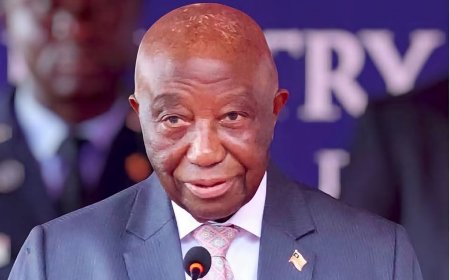
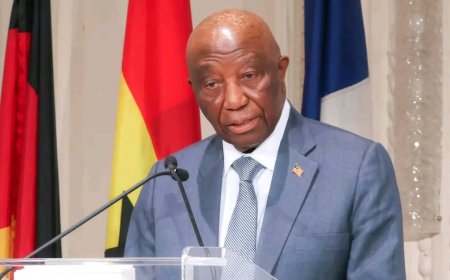
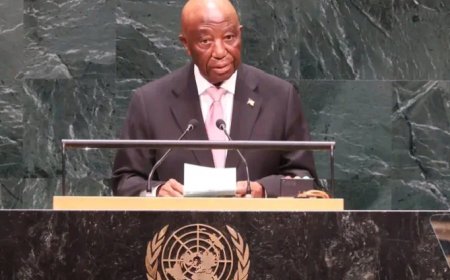
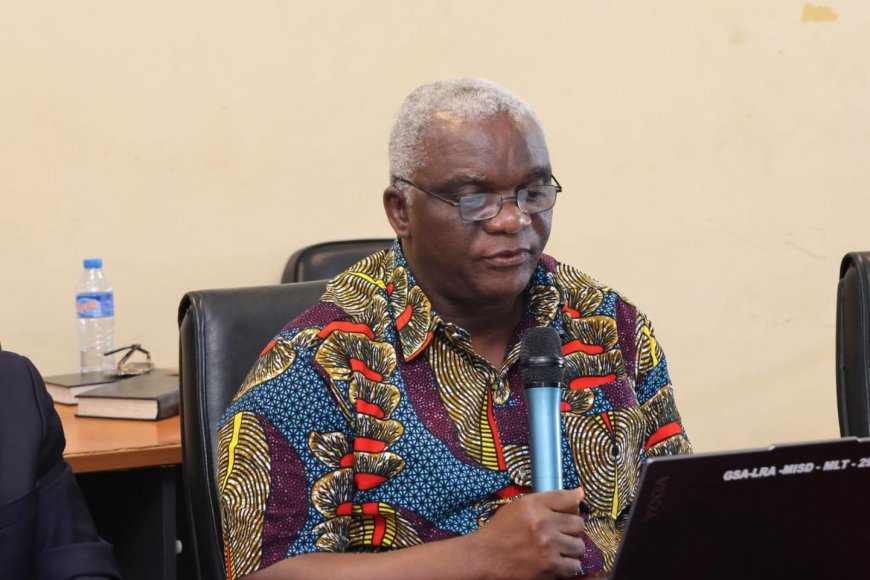
LRA Commissioner General James Dorbor Jallah disclosed the figures Monday, November 23, while addressing the House of Representatives during a hearing on the draft Fiscal Year 2027 National Budget.
According to Jallah, the exemptions represent more than 60 percent of potential trade revenue being waived, raising concerns about the impact of tax concessions on the country’s revenue base.
He said exemptions have totaled US$1.3 billion since 2023, while duty waivers on petroleum products alone increased to approximately US$10.7 million in 2025.
The Commissioner General urged lawmakers to work with the Authority to review and rationalize exemptions, arguing that reducing unnecessary waivers could strengthen domestic revenue generation.
“Honorable Members, I must be candid. The greatest threat to our revenue base is the growth of tax exemptions,” Jallah told the lawmakers.
Despite the concerns, the LRA reported significant growth in domestic revenue collection during the current fiscal year.
As of November 21, 2026, the Authority had collected US$1.260 billion in total revenue, representing 97 percent of the approved budget of US$1.302 billion.
Domestic revenue accounted for US$1.181 billion, surpassing the full-year domestic revenue target with approximately six weeks remaining in the year.
Jallah said Customs had collected 105 percent of its annual target, while the Domestic Tax Department had reached 99 percent. Tax revenue alone stood at 102 percent of its target.
He attributed the remaining shortfall in total revenue to external resources, particularly borrowings, which are not collected by the LRA.
The Authority projects total revenue to reach approximately US$1.380 billion by the end of 2026.
Jallah noted that domestic revenue collected in 2025 stood at US$847 million, meaning the country had generated about 39 percent more domestic revenue in the first eleven months of 2026.
He also said domestic revenue had nearly doubled since 2023.
For the 2027 fiscal year, the draft budget projects total revenue of US$1.539 billion, including US$1.392 billion in domestic revenue.
Tax revenue is expected to exceed US$1 billion for the first time, reaching a projected US$1.072 billion.
The proposed revenue framework includes US$92 million in external budget support, a US$55 million carry-forward from the 2026 fiscal year, and US$40 million in contingent revenue from the port agreements involving APM Terminals and Marsa Maroc.
Jallah said the projections are based on an expected real economic growth rate of 5.1 percent and inflation of 6.8 percent.
Among the major policy measures expected to support the 2027 revenue target is the replacement of the Goods and Services Tax (GST) with a 15 percent Value Added Tax (VAT), scheduled to take effect January 1, 2027.
The LRA estimates the VAT could generate approximately US$225 million.
Other proposed measures include a 2 percent advance corporate income tax on the turnover of mining and agriculture companies, projected to yield US$57.3 million; the collection of petroleum taxes based on import volumes rather than gallons lifted; and provisions contained in the Tax Amendment Bill 2026, which is expected to be submitted to the Legislature.
To support revenue growth, the LRA plans to implement 24 reforms in 2027.
The reforms include expanding the ASYCUDA customs system to all border posts, introducing the National Single Window, implementing VAT and electronic invoicing, and extending the Liberia Integrated Tax Administration System (LITAS) and real property tax administration to all 15 counties.
The Authority also intends to strengthen revenue monitoring in the gaming, telecommunications and mobile money sectors, integrate its systems with the Central Bank’s payment switch, and introduce stronger integrity measures for staff in sensitive positions.
However, Jallah said the Authority continues to face operational challenges, including inadequate funding, shortages of vehicles and equipment, poor office infrastructure, unreliable electricity in rural areas and low staff morale.
He warned that these conditions are contributing to the loss of skilled personnel, particularly auditors and information technology specialists.
To address the challenges, the LRA is asking the Legislature to amend its governing Act to provide the Authority with 5 percent of the tax revenue it assesses and collects as its operational budget.
The proposed allocation would exclude royalties, state-owned enterprise and maritime contributions, fees, fines and external resources.
Jallah said improved operational financing would enable the Authority to strengthen its capacity and increase revenue collection.
“Fund the collector, and the collector will grow the collection,” he told lawmakers.
The LRA says it remains committed to transparency, integrity and service to the Liberian people as it prepares to implement its 2027 revenue and reform agenda.
What's Your Reaction?
 Like
0
 Dislike
0
 Love
0
 Funny
0
 Angry
0
 Sad
0
 Wow
0