










House Sends Controversial FGM Ban Bill to All 73 Districts for Public Scrutiny

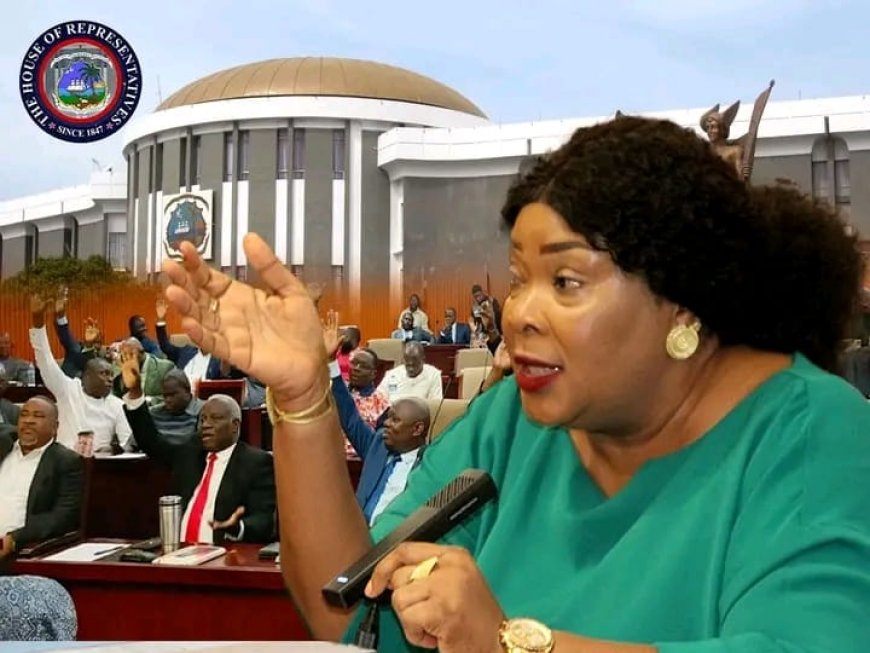
CAPITOL HILL, MONROVIA: The House of Representatives has taken a decisive—yet highly debated—step by voting to send the Draft Bill to Ban Harmful Practices, including Female Genital Mutilation (FGM), to citizens across all 73 districts for nationwide consultations.
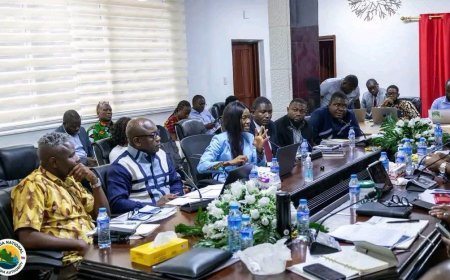
The decision came during Tuesday’s plenary session after the Joint Committee on Gender, Health, Internal Affairs, and Judiciary presented a preliminary review of the bill.
The committee, chaired by Representative Moima Briggs Mensah, had been tasked with examining the draft legislation submitted by the President, which seeks to outlaw all harmful traditional practices in Liberia.
Once the committee report was presented, Representative J. Marvin Cole of Bong County Electoral District #3 triggered debate by filing a motion for widespread public engagement.
He argued that the bill’s cultural, religious, and social implications demand deeper discussion with citizens at the community level—particularly in areas where FGM is still practiced.
Representative Cole stressed that the voices of the people must guide the Legislature’s final judgment: “This bill affects traditions that are deeply rooted in certain communities. Before we take any action, Liberians across the country must be consulted to express their concerns, fears, and expectations.”
Following deliberations, the plenary approved the motion, mandating that the draft bill be taken to all 73 electoral districts for, stakeholder consultations, community dialogues, public hearings and town hall meetings.
This approach aims to ensure that the Legislature’s final decision aligns with citizens’ views while still prioritizing national human rights commitments.
House leadership noted that the engagement process is not merely procedural but essential.
With FGM remaining a sensitive intersection of culture, gender rights, and public health, lawmakers emphasized the need to balance protection of women and girls, preservation of cultural identity, alignment with modern legal and human rights standards and national development goals.
The nationwide consultation is expected to shape the final version of the bill once it returns to the Legislature for debate and possible passage.
What's Your Reaction?
 Like
0
Like
0
 Dislike
0
Dislike
0
 Love
0
Love
0
 Funny
0
Funny
0
 Angry
0
Angry
0
 Sad
0
Sad
0
 Wow
0
Wow
0