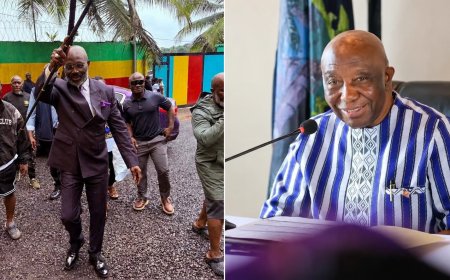


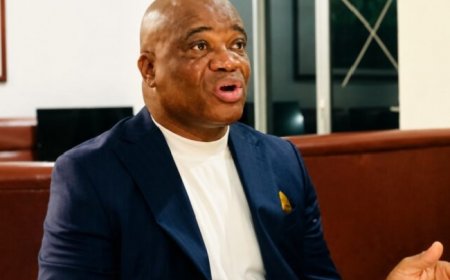

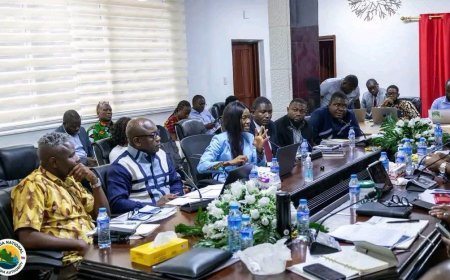


















A Dangerous Precedent: Senator Konneh Accuses Senate and Executive of Undermining Liberia’s Oil Future

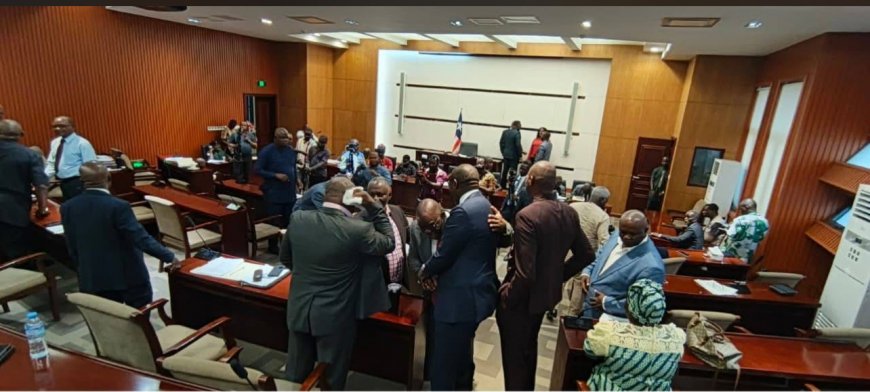
Monrovia, Liberia: The Liberian Senate has ratified the Production Sharing Contract (PSC) with Oranto Petroleum and TotalEnergies, a move that has sparked intense debate among lawmakers and industry observers.
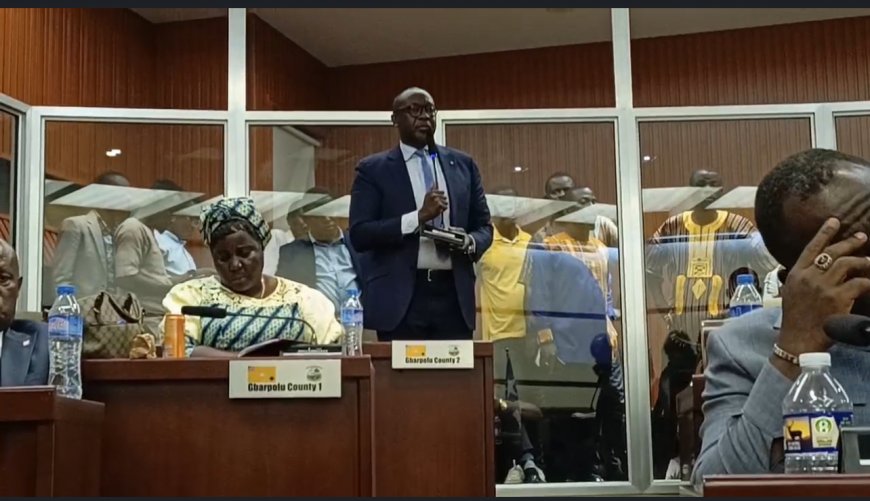
In a statement released today, Senator Amara M. Konneh of Gbarpolu County expressed strong opposition to the Oranto Petroleum component of the deal, arguing that it compromises legal standards and undermines the future of Liberia’s petroleum sector.
Senator Konneh voted in favor of the TotalEnergies agreement but voted against the Oranto Petroleum deal, saying that the Senate’s approval of Oranto’s contract “joins the Executive in squandering a critical opportunity to uphold the standards that Liberia’s petroleum sector urgently needs.” He warned that the decision sends a dangerous message that paper guarantees could replace proven technical performance when awarding petroleum rights.
According to Konneh, there is no evidence that Oranto Petroleum has successfully executed frontier exploration activities, and claims about its producing assets in Equatorial Guinea were shown to be inaccurate. Records presented to the Senate clarified that Atlas Petroleum International not Oranto holds operating interests in the Equatorial Guinea asset, and that Oranto and Atlas are distinct entities.
Another point of contention in the Oranto agreement is the signature bonus, a mandatory upfront payment. The contract restructures the US$15 million payment into a four-year installment plan, with only US$5 million due shortly after ratification and the remainder tied to future seismic data acquisition and well approval events. Konneh described this arrangement as weakening Liberia’s negotiating position and incentivizing speculative activity in the sector.
The Senator also raised concerns about the extension of the exploration period in the Oranto contract to ten years, which he says violates Section 21.1 of Liberia’s Petroleum Law, limiting exploration to seven years with extensions only after work commitments are met a practice consistent with regional standards in Ghana, Sierra Leone, and Nigeria.
Senator Konneh emphasized that these deviations from extended timelines to delayed payments and reliance on unverified technical capacity could attract underqualified companies more interested in acquiring and flipping petroleum blocks than in exploring and developing them, ultimately resulting in weaker benefits for Liberia.
Despite his objections, Konneh clarified that his opposition should not be interpreted as resistance to investment, exploration, or partnership. Instead, he said Liberia must pursue such opportunities “within the law, with discipline, and with a clear commitment to the national interest over short-term pecuniary considerations.”
What's Your Reaction?
 Like
0
Like
0
 Dislike
0
Dislike
0
 Love
0
Love
0
 Funny
0
Funny
0
 Angry
0
Angry
0
 Sad
0
Sad
0
 Wow
0
Wow
0