



























At 2027 Budget Hearing, BSE Targets Revenue Delays, Wasteful Spending

The Bureau of State-Owned Enterprises (BSE) is seeking additional government funding for 2027 to strengthen its oversight of state-owned enterprises, improve accountability, and help increase revenue contributions to the national budget.
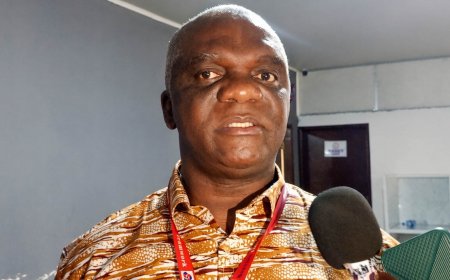
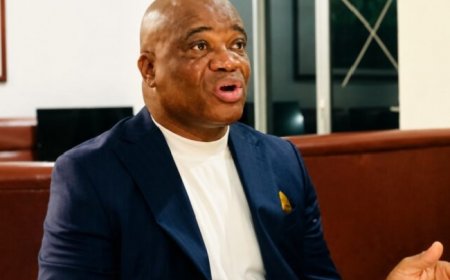
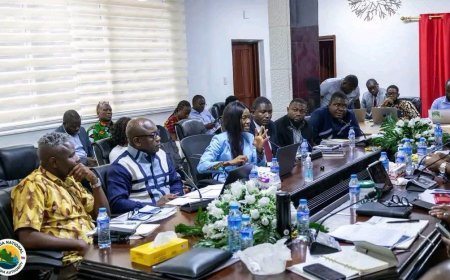
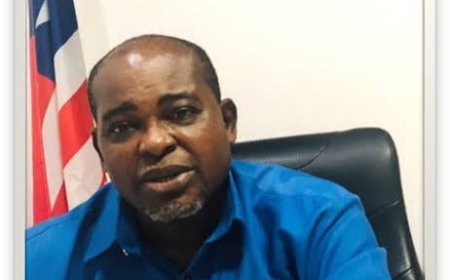
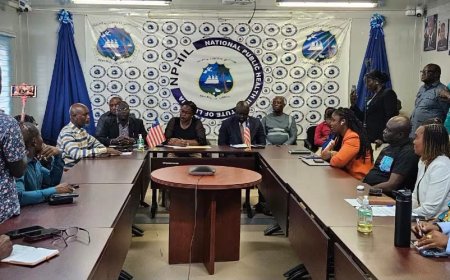
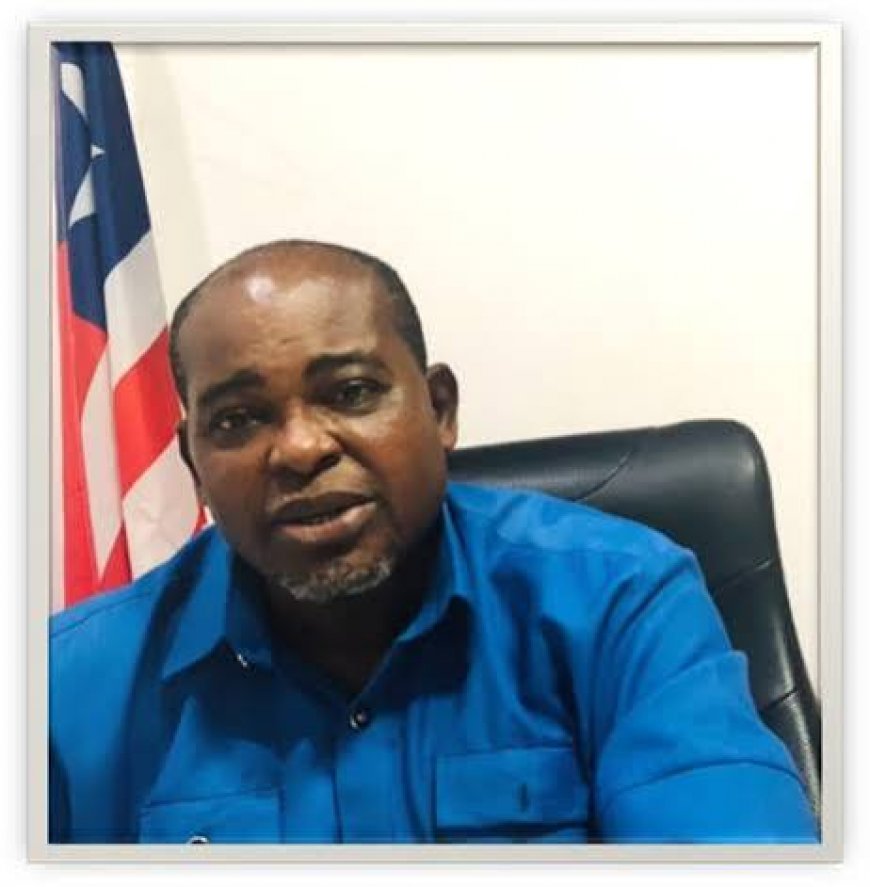
BSE Director General Hon. J.S.B. Theodore Momo Jr. made the case during the Executive Budget Hearing at the Ministry of Finance and Development Planning on Monday, October 12, saying the Bureau’s responsibilities have expanded following its transition toward becoming the State-Owned Enterprises Authority.
“An aggressive and comprehensive oversight of the SOEs will also trigger revenue rises,” Momo told members of the National Budget Committee.
He said stronger oversight would help the government monitor the financial and operational activities of state-owned enterprises, ensure timely remittance of their contributions, and identify areas where public resources may be wasted.
Momo said the Bureau’s 2027 priorities include establishing protocols for prompt remittance by state-owned enterprises, improving governance structures, strengthening compliance, and supporting more effective debt management.
He also called for closer coordination with the Ministry of Finance to reduce wasteful spending and ensure that information from state-owned enterprises informs national policy and budget decisions.
The Director General said the Bureau had made progress in collecting financial and operational reports from state-owned enterprises for 2025, submitting copies to relevant government institutions as part of efforts to improve accountability.
He said the Bureau had also advanced legal reforms that led to the passage of legislation changing its status from a bureau to an authority. According to Momo, the transition is intended to strengthen the institution’s legal foundation and bring its operations closer to international best practices.
However, he said the expanded mandate has created additional demands for personnel, logistics, and institutional capacity.
“We need manpower,” Momo said, pointing to human-resource gaps and the need for additional resources to carry out the Bureau’s responsibilities.
The Bureau is also working to move from manual processing to a digital reporting system for state-owned enterprises. Momo said the platform had been built and that the agency intends to complete the digitization of its reporting system in 2027.
The system is expected to make reporting and compliance easier, improve access to information, and speed up the verification of financial and operational data submitted by state-owned enterprises.
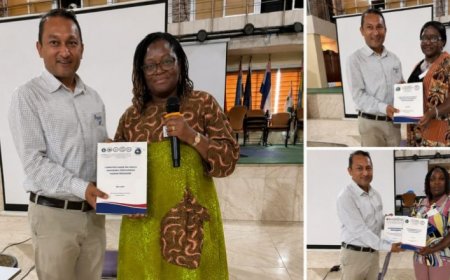
Momo said the Bureau had also begun capacity-building initiatives, including specialized training for staff and exchanges intended to expose employees to regional and international practices in state-owned enterprise governance.
He emphasized that stronger oversight is important because some state-owned enterprises contribute directly to the national budget, while others perform regulatory functions.
The Bureau’s proposed 2027 priorities therefore center on improving compliance, ensuring timely revenue remittances, strengthening transparency, and providing government with reliable information for financial planning.
The National Budget Committee is reviewing submissions from government institutions as part of the process of determining priorities and allocations for the 2027 national budget.
What's Your Reaction?
 Like
0
Like
0
 Dislike
0
Dislike
0
 Love
0
Love
0
 Funny
0
Funny
0
 Angry
0
Angry
0
 Sad
0
Sad
0
 Wow
0
Wow
0