





































EPA Warning Signals Dry-Season Risks for Farmers in Seven Liberian Counties
Satellite data show signs of crop stress as El Niño raises concerns over water supplies, food production and bushfires

Farmers in seven Liberian counties are showing signs of crop stress as the country enters a dry season expected to bring hotter-than-usual conditions, raising concerns about agricultural production, water availability and community livelihoods.
The Environmental Protection Agency (EPA) says satellite observations collected between October 23 and November 1, 2026, detected signs of dryness affecting at least one-quarter of cropland in Sinoe, Grand Kru, Grand Gedeh, Grand Bassa, Rivercess, River Gee and Grand Cape Mount.
Sinoe County recorded the highest level of concern, with signs of stress affecting approximately 70 percent of its cropland.
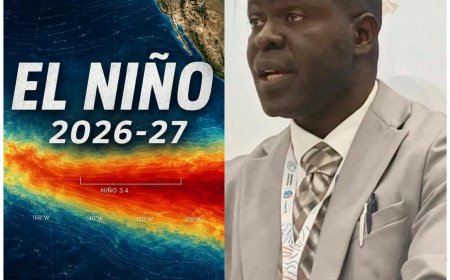
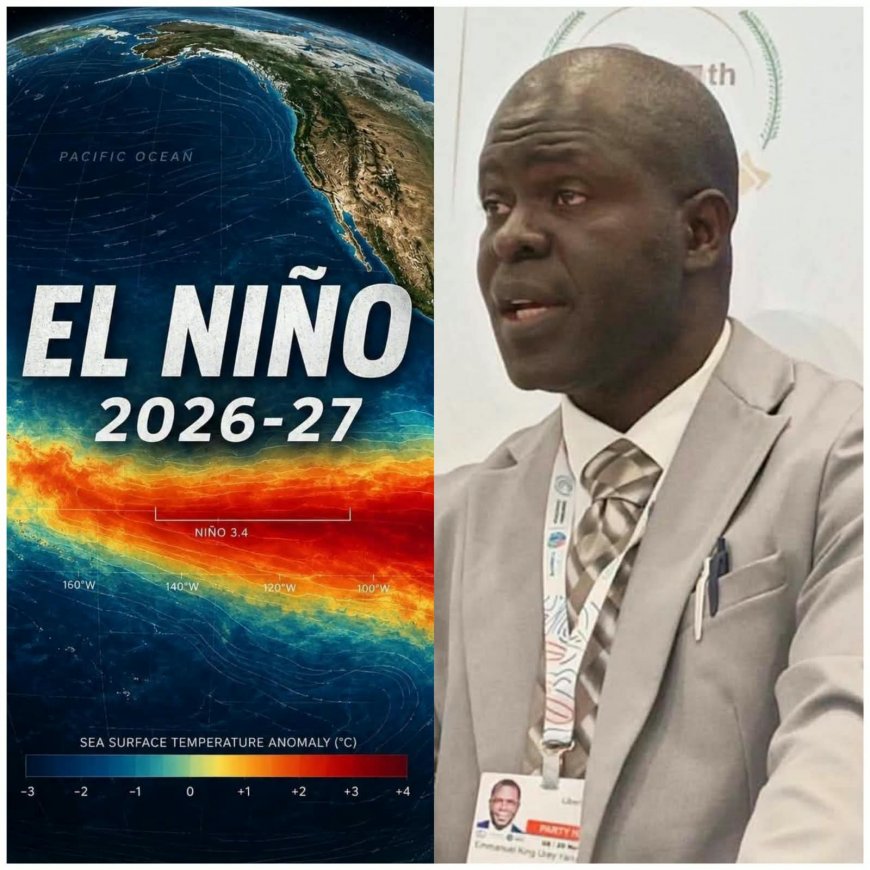
The findings come as a strong El Niño continues to develop in the Pacific Ocean, with climate forecasts indicating that the phenomenon could remain strong or very strong during January through March 2027 — a period that falls within Liberia's dry season.
For farmers who depend largely on rainfall, the warning presents an opportunity to prepare before prolonged dry spells begin to affect crops, harvests and household food supplies.
The EPA says the satellite observations are intended to help agricultural officers identify areas requiring early attention. Field assessments will be necessary to determine which crops are struggling and whether farmers have already experienced harvest losses.
The findings also highlight the importance of timely agricultural advice, particularly for farmers preparing to plant during a period when the first rainfall may not necessarily be followed by consistent showers.
Dry Season Could Affect More Than Agriculture
Beyond the farms, a prolonged dry spell could place additional pressure on communities that depend on wells, hand pumps, creeks and rivers for water.
According to the EPA, falling water levels could affect household water access, while drier vegetation could increase the likelihood of bushfires.
The agency also warns that reduced river water could affect electricity generation, adding another potential challenge for communities and businesses already dependent on reliable power.
Although the dry season is generally associated with limited rainfall, the EPA cautions that heavy downpours can still occur and cause flooding, particularly in communities situated along rivers and creeks.
This means communities may need to prepare for both prolonged dryness and sudden rainfall, depending on local conditions.
Early Warning Information Offers Opportunity for Preparedness
The EPA is encouraging farmers to consult agricultural extension officers and listen to seasonal forecasts before planting.
The agency says farmers should not assume that the first rainfall signals the beginning of a stable rainy period, as another dry spell could follow and affect newly planted crops.
Communities are also being urged to report failing hand pumps and declining water supplies early, allowing local authorities and community leaders time to arrange repairs or identify alternative sources.
For households, the agency recommends drinking safe water regularly during hot periods, resting in shaded areas and carrying out demanding outdoor activities during cooler hours. Residents are also encouraged to check on older people and neighbors who may need assistance during periods of extreme heat.
Community radio stations, town criers and local leaders are expected to play an important role in sharing weather updates and disaster warnings, particularly with farmers and families who have limited access to the internet.
Climate Change Adds to the Concern
The EPA explains that El Niño is a natural climate phenomenon involving the warming of parts of the Pacific Ocean. It changes rainfall patterns in different parts of the world and can influence weather conditions far beyond the Pacific region.
Scientists observed rapid warming in the central and eastern Pacific in May 2026, with El Niño conditions emerging in June and strengthening through November.
While El Niño has occurred naturally for centuries, the EPA says human-caused climate change has increased temperatures across the atmosphere and oceans.
The additional heat released during El Niño can contribute to an already warming climate, making hot periods more dangerous. However, scientists are still studying how climate change influences the strength of individual El Niño events.
Public Warning System Covers All 15 Counties
To support preparedness, the EPA says its public early-warning platform covers all 15 counties and is updated daily.
The platform is intended to provide information that can help communities, farmers and relevant authorities monitor changing conditions and respond to emerging risks.
The agency has also prepared public awareness materials in Liberian English, including a video and radio script, to make information about El Niño more accessible.
As Liberia moves deeper into the dry season, the EPA's warning underscores the importance of turning climate information into practical action — from checking water sources and preparing farms to sharing timely alerts with communities most exposed to changing weather conditions.
The EPA says early preparation and access to reliable warnings could help communities identify risks sooner and make informed decisions as the dry season progresses.
What's Your Reaction?
 Like
0
 Dislike
0
 Love
0
 Funny
0
 Angry
0
 Sad
0
 Wow
0