





















LNFS Expanding Fire Stations Nationwide to Improve Emergency Response – Deputy Director

The Liberia National Fire Service (LNFS) has announced plans to expand its presence across the country through the construction of additional fire stations, a move aimed at improving emergency response times and extending fire protection services to underserved communities.
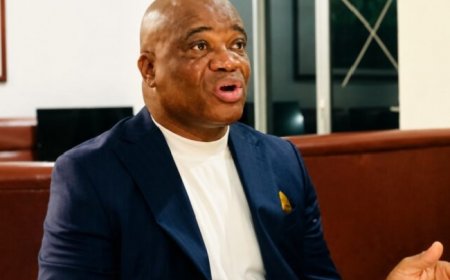
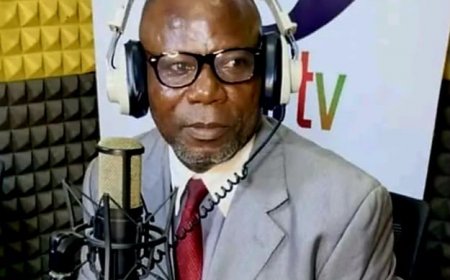
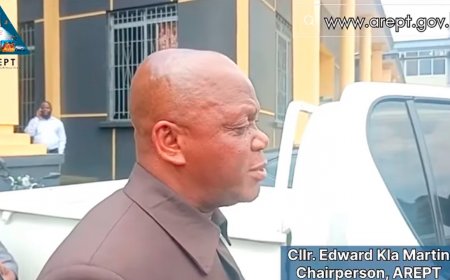
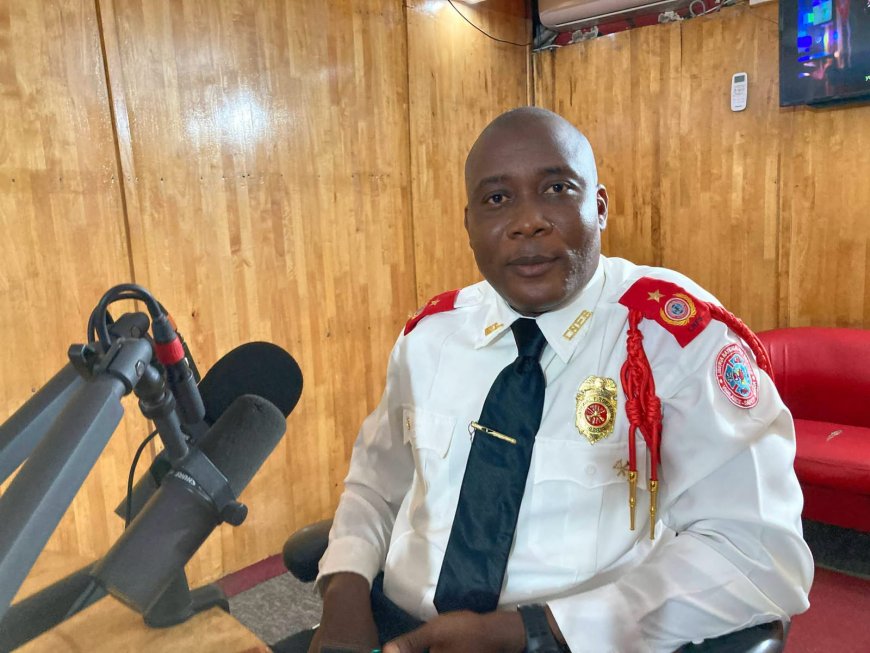
Speaking on a local radio show , the Deputy Director for Operations of the Liberia National Fire Service, Hon./Col. P. Edwin Tisdell, said decentralizing the institution’s operations remains a key priority.
“The Liberia National Fire Service is decentralizing its operations through the construction of additional fire stations in both rural and urban communities to improve response time and expand emergency services across the country,” Hon./Col. Tisdell said.
He also addressed what he described as a common public misconception that fire trucks must always carry water before responding to emergencies.
According to him, firefighting vehicles are equipped based on the specific nature of the incident, allowing responders to deploy the most appropriate equipment for each emergency.
“Fire trucks are not required to carry water at all times. Our response depends on the type of emergency, and we equip our units accordingly to ensure the most effective intervention,” he explained.
On electrical, or Class C, fires, the Deputy Director stressed that the LNFS works closely with the Liberia Electricity Corporation (LEC) to disconnect power before firefighters begin suppression efforts.
“Water should never be applied to energized electrical equipment because it poses serious safety risks. We coordinate with the LEC to disconnect electricity before commencing operations,” he said.
Hon./Col. Tisdell also reaffirmed the Fire Service’s commitment to preventing fires through public education, noting that awareness campaigns are being conducted nationwide to educate citizens about fire hazards, prevention measures, and emergency preparedness.
Responding to concerns about the sale of fire extinguishers, he clarified that the Fire Service does not engage in commercial sales.
“The Liberia National Fire Service does not sell fire extinguishers. Our responsibility is to inspect and certify vendors to ensure approved and safe extinguishers are available to the public,” he stated.
The Deputy Director acknowledged that the institution continues to face operational challenges, including blocked alleyways, traffic congestion that delays emergency response, and inadequate manpower.
He said the Fire Service is collaborating with the Ministry of Public Works to reopen blocked access routes, working with the Liberia National Police to improve the movement of fire trucks during emergencies, and engaging national and international partners to strengthen recruitment, training, and institutional capacity.
“Despite these challenges, we remain committed to protecting lives and property through improved emergency response, public education, and stronger partnerships that will help build a safer Liberia,” Hon./Col. Tisdell said.
The appearance on Hott FM formed part of the Liberia National Fire Service’s ongoing public engagement efforts to educate citizens on fire safety while providing updates on reforms and operational improvements within the institution.
What's Your Reaction?
 Like
0
Like
0
 Dislike
0
Dislike
0
 Love
0
Love
0
 Funny
0
Funny
0
 Angry
0
Angry
0
 Sad
0
Sad
0
 Wow
0
Wow
0