






















Regional Customs Authorities Push for Stronger Intelligence to Combat Cross-Border Crime

Customs authorities in West and Central Africa are being urged to move beyond exchanging intelligence and take coordinated action against smuggling, illicit trade and other forms of cross-border crime.
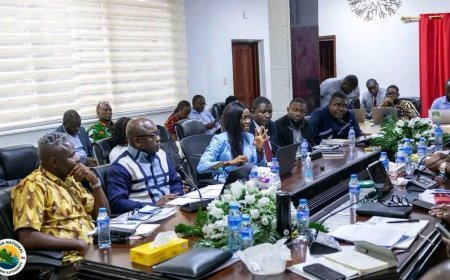
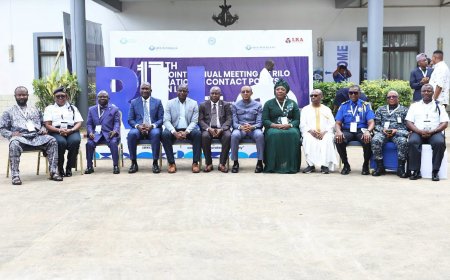
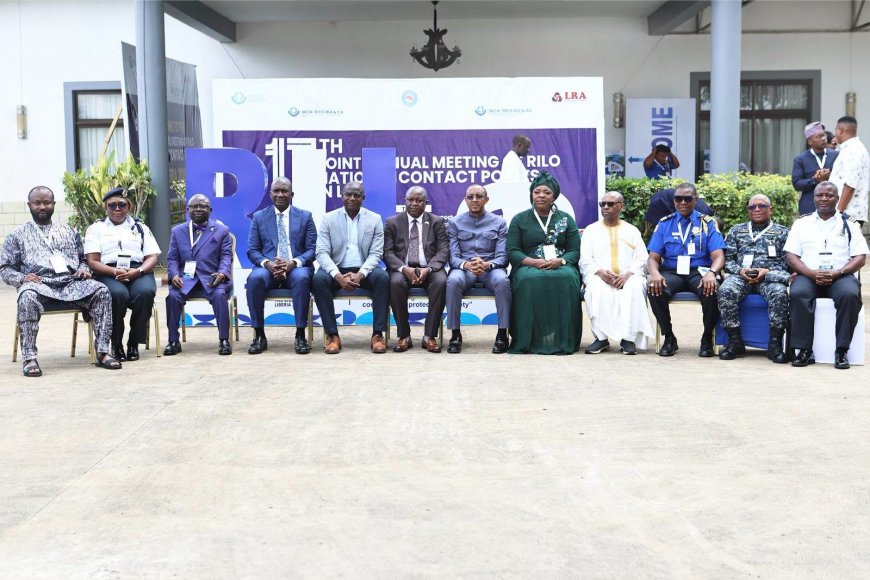
The call came at the conclusion of the 17th Joint Annual Meeting of National Contact Points of the World Customs Organization (WCO) Regional Intelligence Liaison Offices (RILO) for West and Central Africa, hosted by the Liberia Revenue Authority (LRA) at the Farmington Hotel in Margibi County from November 2 to 6, 2026.
The meeting brought together Customs officials and regional partners to strengthen intelligence sharing, enhance collaboration and develop coordinated strategies to combat illicit trafficking and cross-border crimes.
Delegates adopted recommendations aimed at improving regional intelligence sharing, strengthening the work of National Contact Points (NCPs) and ensuring that information gathered through regional and international operations leads to effective enforcement.
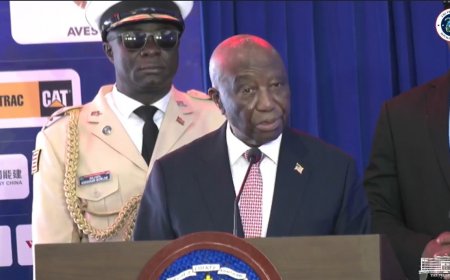
LRA Commissioner of Customs Saa Saamoi said criminal networks were becoming increasingly sophisticated, while global trade and supply chains were creating new opportunities for smuggling and other illegal activities.
He noted that Customs administrations face the challenge of generating government revenue while protecting borders, society and the environment and facilitating legitimate trade.
Saamoi said intelligence gathering, timely information sharing and coordinated action were essential to meeting those responsibilities.
“The intelligence shared but not executed to its logical conclusion is an effective failure of all the efforts that we put in,” he said.
He also called for stronger national legal frameworks, specialized capacity-building and improved monitoring of intelligence activities to ensure that information shared among Customs administrations results in practical enforcement measures.
Saamoi encouraged member administrations to ratify the Nairobi Convention and strengthen the follow-up of intelligence reports, including emerging patterns of Customs fraud. He said monitoring and evaluation of the implementation of recommendations would also be raised at the meeting of Directors General.
Director General of RILO West Africa Amadou Tidiane Cisse stressed the importance of National Contact Points in connecting the regional intelligence network with the realities of individual countries.
He said the role of NCPs should go beyond forwarding messages, noting that they need clear mandates, adequate working conditions and the support of their respective Customs administrations to perform effectively.
Cisse said the regional offices would continue supporting NCPs and coordinating with the World Customs Organization Secretariat to improve information exchange and operational cooperation.
He emphasized that the meeting's recommendations must translate into practical action, including faster alerts, better documentation and timely responses to intelligence requests.
“The success of Monrovia will also be measured by what we do upon our return,” Cisse said.
Meanwhile, Diya Abedzin-Porshia called for stronger regional cooperation and modernized Customs enforcement systems to respond to threats including smuggling, prohibited goods, money laundering and transnational organized crime.
She said intelligence was essential to anticipating, preventing and detecting Customs violations, while helping administrations direct resources and improve enforcement interventions.
Porshia also highlighted the need for faster information exchange, joint operations, specialized training and the use of modern risk-management and targeting tools.
Among the recommendations adopted, regional offices are expected to strengthen the Customs Memorandum Plan, improve real-time information sharing and provide continuous operational training in risk management, intelligence analysis and targeting.
They are also expected to ensure that information gathered during regional and international operations is analyzed, disseminated and used to guide risk-based enforcement interventions. The recommendations call for regular assessments of implementation, efficiency and impact, as well as stronger information exchange with the wider global RILO network.
Customs administrations were urged to provide National Contact Points with the resources and tools needed to carry out their duties, recognize and motivate them, participate in regional anti-fraud initiatives and strengthen cooperation with national, regional and international agencies.
The recommendations further call for stronger national sanctions against illicit trafficking and illicit financial flows. They also urge Customs administrations to allocate part of contingency receipts to operational activities through transparent and regulated arrangements.
National Contact Points, for their part, are expected to improve information exchange between national and regional correspondents, prepare annual reports in English or French and provide periodic updates to their Directors General on Customs fraud trends, emerging threats and operational activities.
Delegates also called on NCPs to register on the CLIC platform and request access to the WCO website, while ensuring that information from national systems is regularly transmitted to the Customs anti-fraud network.
At the conclusion of the meeting, participants reaffirmed their commitment to stronger regional cooperation and safer borders.
The five-day gathering brought together more than 40 delegates from 17 countries in West and Central Africa. The focus now shifts to translating the adopted recommendations into practical measures, including faster intelligence exchange, coordinated operations and stronger enforcement across the region.
What's Your Reaction?
 Like
0
 Dislike
0
 Love
0
 Funny
0
 Angry
0
 Sad
0
 Wow
0