











Medica Liberia Demands Survivors-Led Justice In War Crimes Courts, Launches News Support Fund

Efforts to improve support for survivors of gender-based violence and strengthen community and institutional protection systems have been central to Medica Liberia's work over the past two decades, as the organization marks 20 years of engagement with women and girls affected by violence.
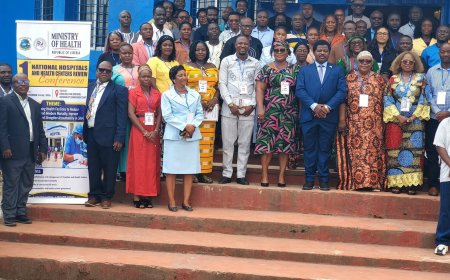
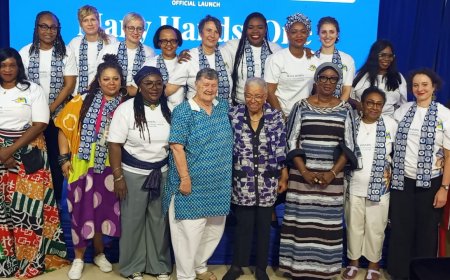
The anniversary, celebrated in Monrovia on Thursday, November 26, provided an opportunity to examine how community-based interventions, survivor support and institutional reforms can contribute to a more effective response to sexual and gender-based violence in Liberia.
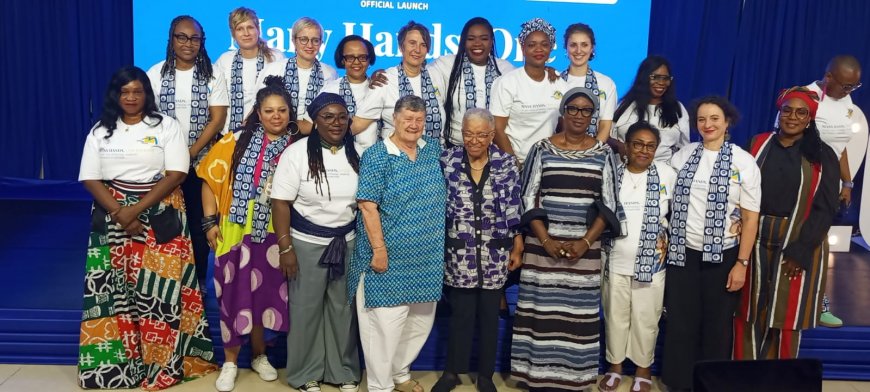
Held under the theme, “Many Hands, One Journey: Twenty Years of Healing, Solidarity and Feminist Leadership,” the celebration also featured the launch of the Many Hands Fund, an initiative intended to sustain the organization's work beyond its anniversary.
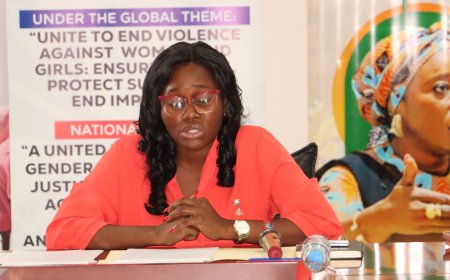
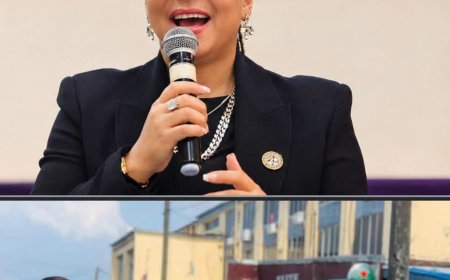
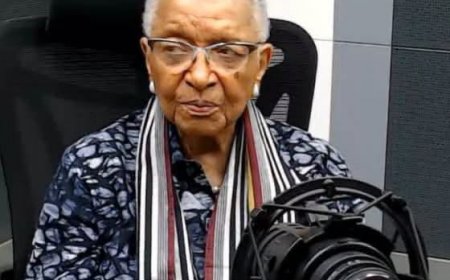
Board Chair Cllr. Ruth Jappah Samukai said the milestone reflects the collective efforts of women, communities and partners who have contributed to Medica Liberia's work since its establishment, particularly in supporting women and girls affected by violence and the consequences of Liberia's civil war.
She said the anniversary should serve not only as a recognition of past efforts but also as a reminder of the responsibility to continue building a society where women and girls are protected from violence and discrimination.
The introduction of the Many Hands Fund is expected to help maintain the organization's engagement with survivors and communities, as well as support ongoing efforts to strengthen protection mechanisms.
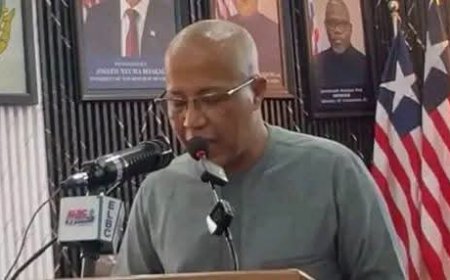
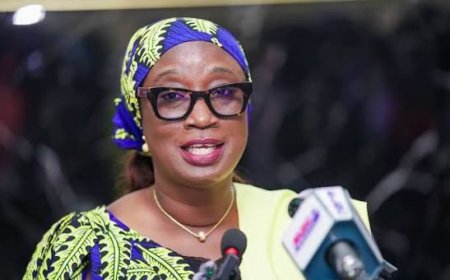
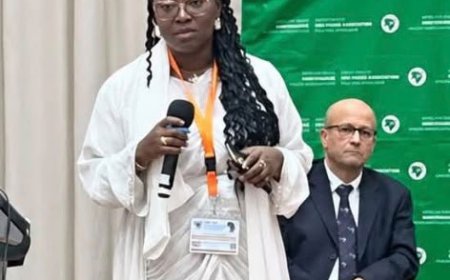
Founder and Executive Board Member of medica mondiale, Dr. Monika Hauser, said the experience of Liberia demonstrates that responding to sexual and gender-based violence requires sustained action beyond immediate assistance to survivors.
She emphasized that meaningful progress depends on addressing the social conditions and institutional practices that allow violence to persist, while ensuring that survivors are treated as active participants in shaping solutions.
She further recalled Medica Liberia's continued support for women during the Ebola crisis, when widespread fear and disruption affected communities and access to services.
Beyond community support and institutional reform, Dr. Hauser said Liberia's transitional justice process presents another opportunity to address the long-term consequences of conflict-related sexual violence.
She said the proposed War and Economic Crimes Court must provide space for survivors' experiences to be acknowledged and considered in efforts to establish truth, accountability and justice.
“If survivors' experiences are central to truth, they must also be central to justice,” she said.
Medica Liberia is expected to engage the Office for the Establishment of the War and Economic Crimes Court for Liberia in a dialogue aimed at ensuring that survivors' voices and priorities inform the transitional justice process.
The organization will also hold a learning engagement with the Embassy of Ireland, intended to draw lessons from its 20 years of work and translate them into stronger policies and practices for addressing violence against women and girls.
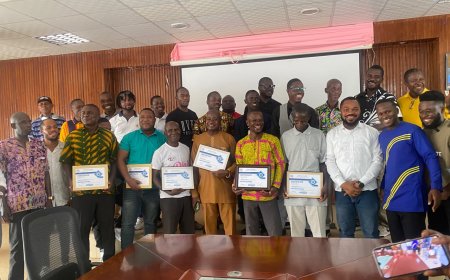
The anniversary activities are expected to continue through December 3, with an awards and appreciation dinner and visits to communities in Grand Gedeh, River Gee and Sinoe counties, where Medica Liberia began its work.
As the organization enters its next phase, its anniversary underscores a broader development challenge for Liberia: ensuring that years of community engagement and survivor support translate into lasting protection, stronger institutional accountability and meaningful participation of women and girls in decisions affecting their safety and rights.
What's Your Reaction?
 Like
0
 Dislike
0
 Love
0
 Funny
0
 Angry
0
 Sad
0
 Wow
0