













As 16 Days of Activism Begins, Liberia's 2,128 Rape Cases Renew Calls for Justice and Accountability

Liberia recorded 3,018 cases of Gender-Based Violence (GBV) in 2025, including 2,128 rape cases, highlighting the continuing threat of violence against women and girls and the urgent need for stronger protection and accountability.
An additional 1,302 cases were reported during the first and second quarters of 2026, according to figures released by the Ministry of Gender, Children and Social Protection.
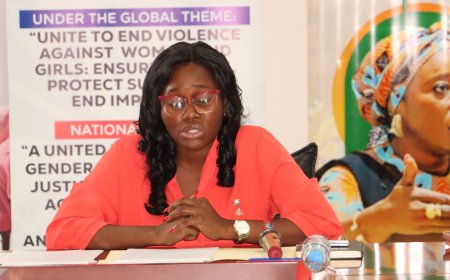
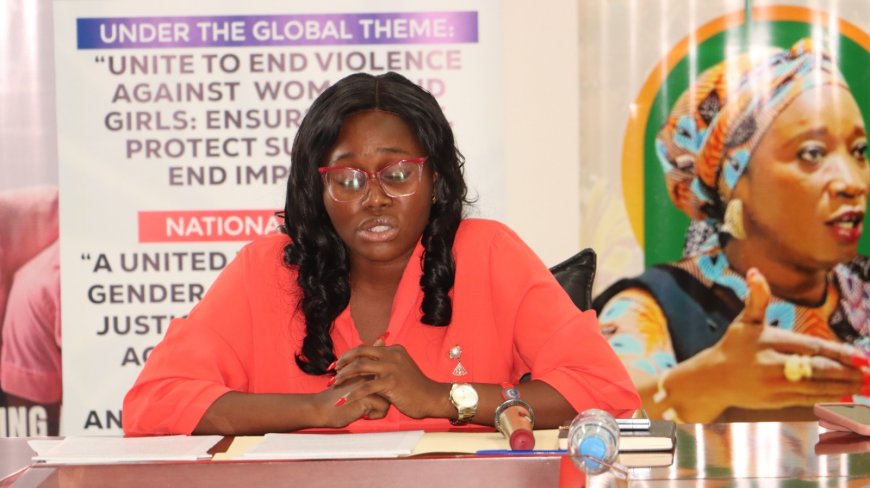
The figures were disclosed Tuesday by Deputy Minister for Gender, Hon. Laura Golakeh, during a press statement marking the 2026 commemoration of the 16 Days of Activism Against Gender-Based Violence and National Citizens Engagement.
Speaking on behalf of Gender Minister Gbeme Horace-Kollie, Golakeh said the figures reflect a persistent national concern, particularly as many survivors continue to face barriers when seeking justice and support.
“Even more disturbing is the reality that many cases remain unreported due to persistent social and institutional barriers, including stigma, fear of retaliation, economic dependency, family pressure, victim-blaming attitudes, limited awareness of reporting mechanisms, and the preference for informal settlements over formal justice processes,” she said.
She warned that these barriers undermine survivors' confidence in the justice system and allow perpetrators to evade accountability.
“Survivors must never be blamed, silenced, intimidated, or pressured into accepting settlements that compromise their rights and access to justice,” Golakeh emphasized.
Despite the challenges, the Ministry highlighted several government interventions aimed at improving access to protection and support services for survivors.
According to Golakeh, the National GBV 116 Call Center expanded its operations in 2025 and responded to more than 1,000 calls, facilitating referrals, emergency assistance, and access to essential services.
The government also provided psychosocial support materials to safe homes and One-Stop Centers across all 15 counties, supplied reunification kits for survivors, and made emergency funds available to address urgent GBV cases.
Additionally, safe homes in six counties were renovated to improve shelter conditions and provide safer environments for survivors seeking refuge.
Golakeh said these interventions are intended to ensure that survivors receive the support they need rather than being left to deal with the consequences of violence alone.
The Ministry also reported progress under the Liberia Women Empowerment Project, through which 11,925 women and 2,539 men have benefited from various interventions.
The project supports women's economic opportunities while strengthening community structures and initiatives aimed at preventing violence.
Another intervention highlighted was the expansion of Liberia's Spotlight Initiative 2.0 to Grand Bassa, Maryland, and Bong counties, bringing the total number of participating counties to eight.
The initiative focuses on strengthening protection systems, advancing women's economic empowerment, and promoting inclusion and equal opportunities.
However, Golakeh acknowledged that emerging forms of abuse, particularly digital violence and cyberbullying, are creating additional threats for women and girls.
She said young women and girls are increasingly exposed to online harassment, intimidation, threats, exploitation, and other forms of technology-facilitated abuse.
The Ministry also expressed concern over harmful traditional practices, early marriage, and forced initiation, which continue to threaten the rights, education, and safety of girls.
On the legislative front, Golakeh called on the National Legislature to urgently consider and pass the proposed Women and Girls Protection Act of 2025, which seeks to establish permanent legal prohibitions against harmful cultural practices.
She noted that the proposed legislation, submitted by the Executive Branch, remains before the Legislature awaiting consideration.
The Deputy Minister described its passage as an important step toward strengthening the protection of women and girls and ensuring accountability for harmful practices.
The Ministry also welcomed the passage and signing into law of the Data Protection Act, alongside the Cybercrime Act, on August 19, 2026, noting their importance in protecting personal information and addressing abuses committed through digital platforms.
Golakeh further stressed the importance of involving men and boys in efforts to prevent gender-based violence, saying the responsibility cannot rest on women and girls alone.
“The fight against GBV cannot and must not be left to women and girls alone,” she said, urging men and boys to challenge harmful attitudes, reject violence, promote gender equality, and hold one another accountable.
This year's 16 Days of Activism will be observed under the global theme, “UNITE To End Violence Against Women and Girls: Ensure Justice, Protect Survivors, End Impunity,” and the national theme, “A UNITED LIBERIA AGAINST GBV: Justice for Survivors, Accountability for Perpetrators, and an End to Impunity.”
The campaign, which runs from November 25 to December 10, marks the 35th anniversary of the global campaign and the 25th commemoration in Liberia.
Activities will officially begin on Wednesday, November 25, at Jacob's Town Field in Paynesville, with a parade scheduled for 9 a.m.
Golakeh called on government institutions, development partners, civil society organizations, community leaders, religious groups, young people, and the general public to participate in the campaign.
She emphasized that the fight against gender-based violence must continue beyond the 16-day observance, calling for sustained national commitment to protecting survivors and holding perpetrators accountable.
“Violence against women and girls must never be tolerated, survivors must never be abandoned, and perpetrators must never be allowed to act with impunity,” she said.
What's Your Reaction?
 Like
0
 Dislike
0
 Love
0
 Funny
0
 Angry
0
 Sad
0
 Wow
0