






UNDP, NEC CALL ON YOUNG LIBERIANS TO PROMOTE RESPONSIBLE DIGITAL ENGAGEMENT

The United Nations Development Programme, UNDP, and the National Elections Commission, NEC, are calling on young Liberians to use digital platforms responsibly, verify information before sharing it, and promote informed participation in the country’s democratic processes.
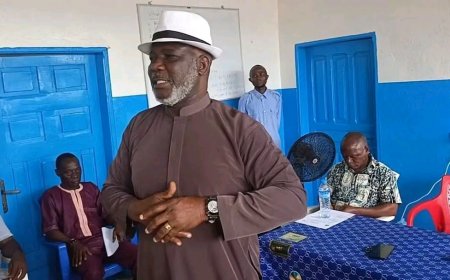
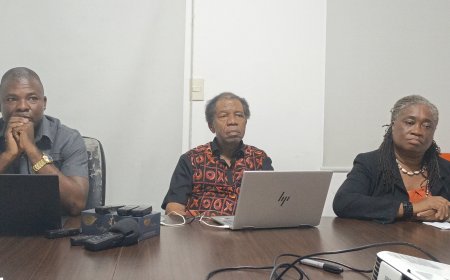
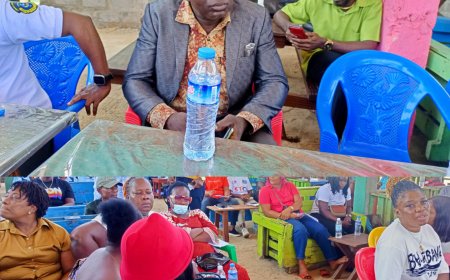
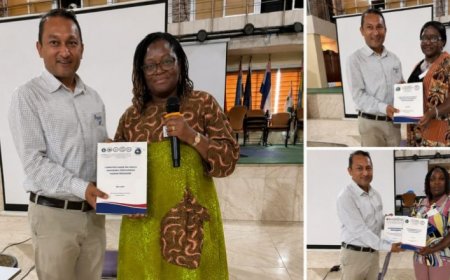
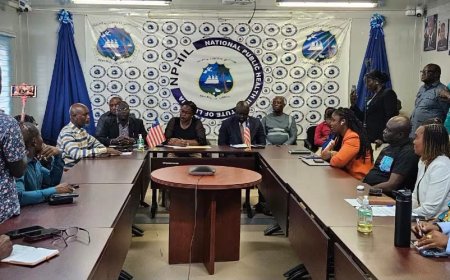
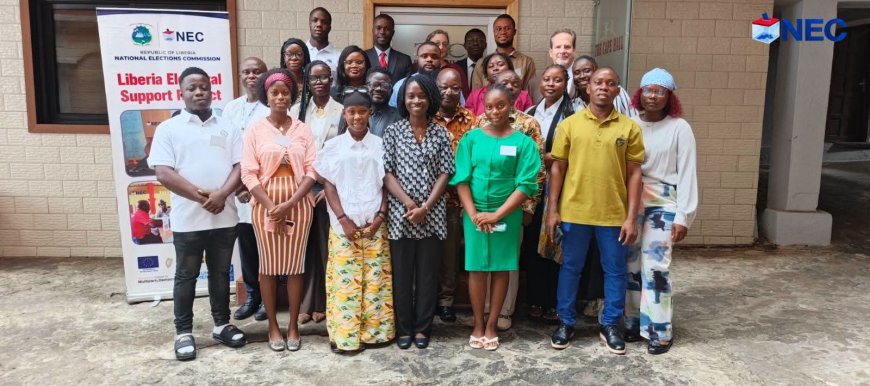
The call was made Tuesday in Monrovia at the conclusion of a three-part Media and Information Literacy for Democracy workshop, which brought together more than 20 young people from the media, civil society organizations and political parties.
With more than 70 percent of Liberia’s population under the age of 35, young people represent a significant stakeholder group in the country’s electoral and democratic processes.
The initiative was organized by the NEC in partnership with the UNDP Liberia Electoral Support Project and forms part of the UNDP Curriculum on Youth Civic and Political Participation in Liberia.
The workshop was facilitated by youth media expert Aria Deemie and focused on equipping young people with skills to critically assess information, identify misinformation and participate responsibly in the digital space.
Speaking at the event, UNDP-Liberian Electoral Support Project Chief Technical Advisor Katherine Green said the growing influence of social media requires young people to be more responsible in the way they consume and share information.
Green encouraged participants to become champions of information integrity by sharing the skills gained from the training with their peers, schools, universities, families, organizations and communities.
She said the success of the initiative should not only be measured by what participants learn, but also by “the conversations they influence, the peaceful dialogue they promote, and the positive examples they set in their communities.”
Green also emphasized the need for young people to use digital platforms to promote peace, inclusion and accountable democracy.
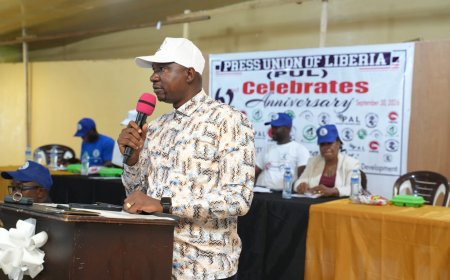
Meanwhile, Press Union of Liberia President Julius Kanubah said media and information literacy is critical to Liberia’s democratic consolidation, particularly amid political polarization and the spread of misinformation and disinformation.
Kanubah urged young Liberians to question, analyze and verify information before consuming or sharing it.
He also encouraged young people to use digital tools to amplify their voices, advocate for their rights and create economic opportunities, while avoiding hate speech and irresponsible information sharing.
According to Kanubah, the training provides young people from political parties, the media and civil society with an opportunity to build skills, gain knowledge and strengthen networks that can contribute to Liberia’s development.
For his part, Titus Togbah, Director of Communications at the National Elections Commission, urged participants to avoid becoming mere distributors of information received online.
Togbah said people must first determine who is behind the information, understand the intent and verify its accuracy before sharing it.
“One thing we are obliged to do is to be able to enlighten public understanding of editorial processes,” Togbah said, stressing that source verification and fact-checking are key elements of responsible public information dissemination.
He warned that people often share information without checking its source, which can contribute to the rapid spread of false information.
Togbah encouraged participants to make use of the training and become responsible consumers and producers of public information, noting that young people constitute a large portion of Liberia’s population.
Also speaking, Blamo Toe, Secretary General of the Reporters Association of Liberia, described the training as timely, particularly as social media continues to influence how people receive and share information.
Toe said misinformation and manipulated content can easily mislead the public if users fail to properly assess what they see online.
He noted that the training was beneficial not only to media practitioners but also to young people generally, given the growing influence of social media on public communication.
Toe thanked the organizers for bringing together experienced media practitioners and young people entering the profession, expressing hope that participants would use the knowledge gained to contribute to strengthening Liberia’s democracy.
Participants also welcomed the initiative, with one participant, Kaliatu, urging young people to take the program seriously.
She said many young people use the internet daily without fully understanding both its benefits and potential harm.
Kaliatu said she looked forward to learning from the facilitators and applying the knowledge gained to become a more responsible internet user.
The organizers say the initiative is intended to strengthen young people’s capacity to engage constructively in the digital space and contribute to peaceful, inclusive and informed democratic participation in Liberia.
What's Your Reaction?
 Like
0
Like
0
 Dislike
0
Dislike
0
 Love
0
Love
0
 Funny
0
Funny
0
 Angry
0
Angry
0
 Sad
0
Sad
0
 Wow
0
Wow
0