
















‘We Want To See Action’: Girls Press For Stronger Child Marriage Protection

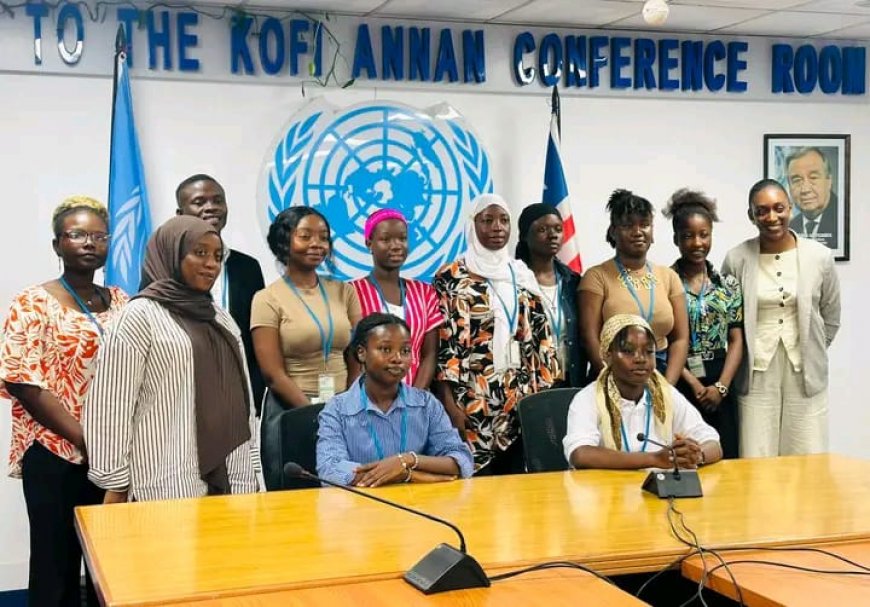
Adolescent girls in Liberia are calling for stronger action to end child marriage and address barriers affecting their education, protection and participation in decision-making, urging stakeholders to translate discussions about their rights into practical results.
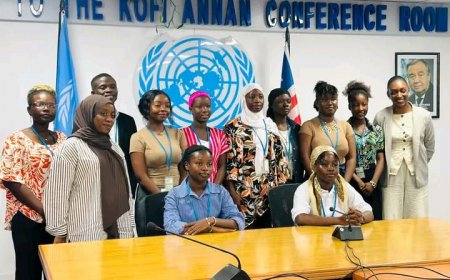
The call came Wednesday during a press conference marking the International Day of the Girl Child, where the girls shared their experiences and recommendations following leadership activities, workshops and discussions with institutional, community and religious leaders.
The girls identified teenage pregnancy, harmful social norms, poverty, limited access to sexual and reproductive health information, and inadequate support systems among the challenges affecting their lives.
They said awareness campaigns alone would not resolve these problems without effective implementation of laws and practical measures to protect girls.
“We cannot just be talking all of the time, writing on paper. What are we doing to find solutions to these problems?” the girls asked.
They called on government institutions and other stakeholders to ensure that recommendations emerging from discussions on girls’ rights lead to tangible improvements.
Pregnant Girls Should Not Lose Access to Education
The girls called for pregnant adolescents to be allowed to continue their education, saying teenage pregnancy should not deprive them of the opportunity to learn and pursue their ambitions.
They questioned why pregnant girls are sometimes sent home from school while the boys responsible for the pregnancies continue their education.
“If the person who impregnated her can go to school, she also has the right to learn. She has the right to strive. She has a future ahead of her,” the girls said.
They added that “having a baby should not stop her from learning or from dreaming.”
The girls also raised concerns about sexual harassment and exploitation, including allegations that some teachers demand sexual favors in exchange for grades.
They called for safe reporting systems for girls who experience abuse and urged authorities to ensure that complaints receive appropriate attention.
The participants further recommended expanded sexual and reproductive health education in schools and communities, particularly in rural areas where access to reliable information may be limited.
Call for Stronger Laws and Rural Outreach
The participants called for stronger enforcement of laws intended to protect children from child marriage and urged stakeholders to address differences between customary and statutory approaches to the minimum marriage age.
They said traditional leaders, religious institutions, parents and community organizations should be involved in efforts to challenge harmful social norms and change attitudes that contribute to child marriage.
The girls also warned against concentrating awareness and protection efforts in Monrovia while children in rural communities continue to face similar challenges.
They called for more outreach to underserved communities and better access to education, health information and vocational training.
The participants also recommended vocational training for girls and parents, saying livelihood skills could help families improve their economic circumstances and reduce pressures that may contribute to early marriage.
They stressed that boys should also be included in education and advocacy initiatives, arguing that efforts to end child marriage must address the responsibilities of both girls and boys.
Girls Want a Voice in Decisions Affecting Them
Beyond child marriage, the girls called for greater participation in leadership and public decision-making.
They said the activities gave them an opportunity to engage with people in positions of influence and raise concerns affecting girls who are often excluded from important discussions.
The participants maintained that girls should be consulted on decisions that affect their rights, education and future.
They also called for fairer access to leadership and mentorship programs, scholarships and other opportunities, particularly for girls who lack internet access or connections to organizations offering support.
The girls said young women who gain access to leadership opportunities should also help other girls benefit from similar experiences.
One of the remarks shared during the discussions was that “it first starts with us,” reflecting the importance of girls supporting and mentoring one another while continuing to call on government and other stakeholders to fulfil their responsibilities.
The participants expressed hope that future discussions would focus on progress made in addressing the problems raised rather than repeating the same concerns.
Three-Day Initiative
The activities were organized by UN Women Liberia in collaboration with Sisters, Community Health Initiative and UNICEF under the theme, “Ending Child Marriage and Investing in Girls’ Rights.”
The three-day initiative, held from October 26 to 28, included a leadership takeover in which girls shadowed UN Women staff, a workshop to identify their priorities and recommendations, and an intergenerational panel discussion involving girl leaders, representatives of the Ministry of Gender, Children and Social Protection, the Children’s Parliament of Liberia and religious leaders.
The initiative was designed to strengthen girls’ leadership and confidence, bring their priorities into discussions with decision-makers, and generate recommendations and follow-up commitments to advance girls’ rights and protection.
The October 28 press conference provided the girls with an opportunity to share their experiences and present their concerns and recommendations to the media and the wider public.
What's Your Reaction?
 Like
0
 Dislike
0
 Love
0
 Funny
0
 Angry
0
 Sad
0
 Wow
0