

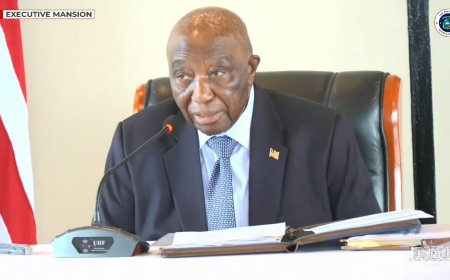












“WHERE ARE WE, LIBERIANS?” — SENATOR KOGAR DEMANDS CONSTITUTIONAL ANSWERS OVER US$1,200-DEPORTEE DEAL

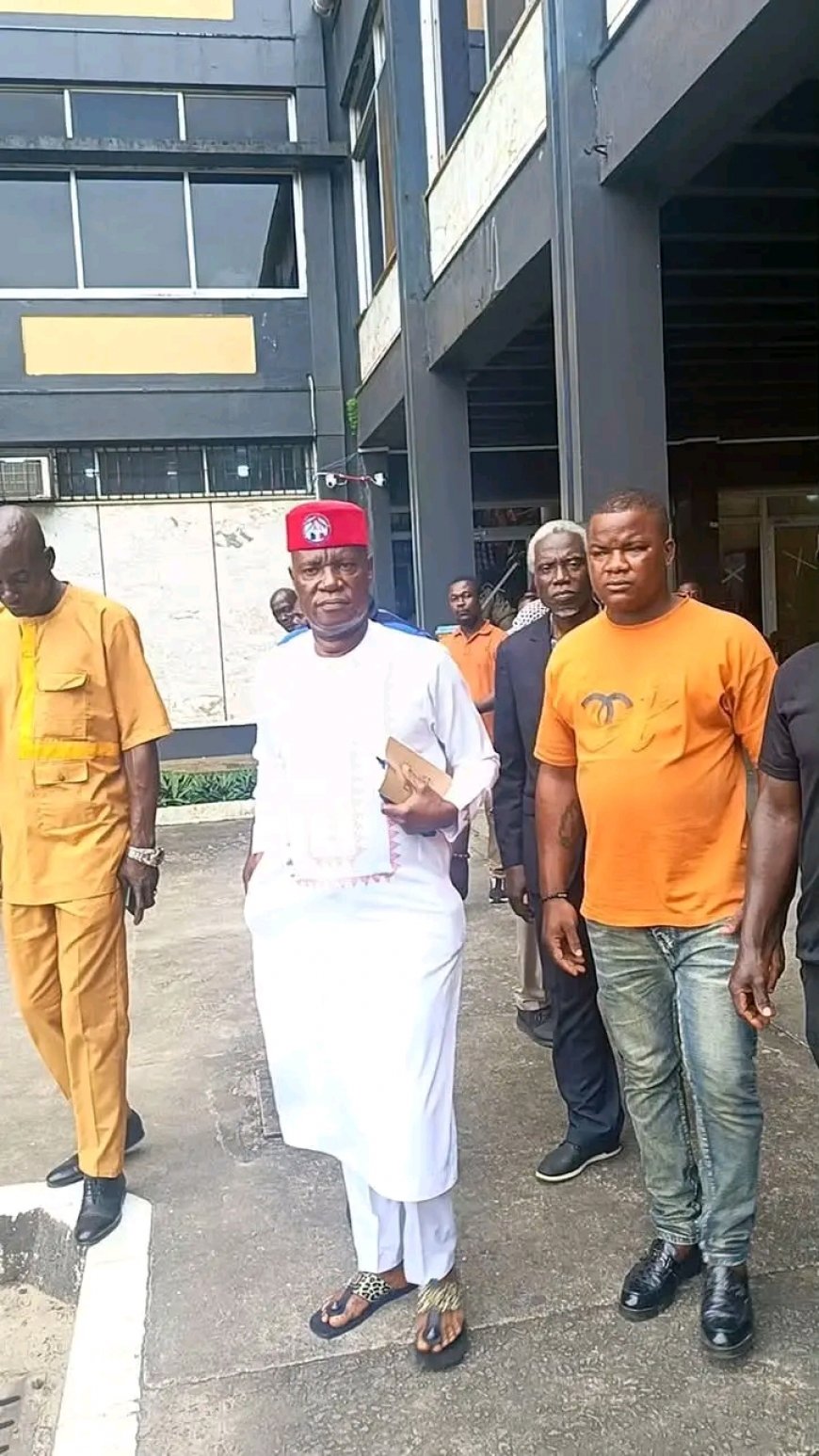
MONROVIA: Senator Samuel G. Kogar has raised serious constitutional and national sovereignty questions over Liberia’s agreement to receive up to 1,200 third-country deportees from the United States, demanding that the government explain whether the controversial arrangement was subjected to the required legislative approval.
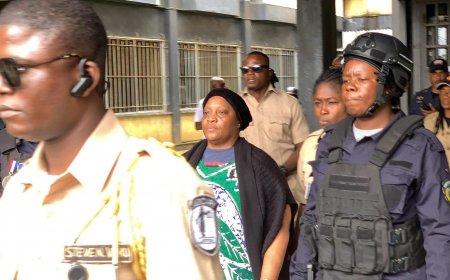
The Senator’s concerns come as the United States has already transferred the first 20 deportees to Liberia, who arrived at Roberts International Airport on Thursday, August 20, under the arrangement that could see as many as 1,200 non-Liberian nationals sent to Liberia over the next year.
In a strongly worded statement titled “Where Are We, Liberians?”, Senator Kogar questioned whether the government had the constitutional authority to enter into the agreement without the involvement of the Legislature. He specifically pointed to Article 57 of the 1986 Constitution of Liberia, which addresses the President’s authority to conduct foreign affairs and enter into international agreements.
“The President shall have the power to conduct the foreign affairs of the Republic and in that connection he is empowered to conclude treaties, conventions and similar international agreements with the concurrence of a majority of each House of the Legislature,” Kogar quoted the Constitution as stating.
The Senator therefore wants the Executive to publicly clarify whether the arrangement with the United States was brought before both the Senate and the House of Representatives and approved by the required majority. “Was this arrangement brought before both Houses of the Legislature and approved by the required majority?” Kogar asked, arguing that if it was not, Liberians deserve to know the legal authority under which the agreement was concluded.
Kogar’s questions come as the government maintains that the deportees are being received as guests rather than prisoners, with some potentially able to seek asylum in Liberia or leave the country. Liberian officials have described the arrangement as humanitarian and said the transferred persons will receive necessary support while in Liberia.
But for Kogar, the issue goes beyond humanitarian considerations and directly touches on Liberia’s sovereignty, national security and constitutional governance. “If Liberia is entering into an arrangement to accept people being deported from another country who are not Liberian citizens, then I believe the Liberian people have a right to know the full details,” he said.
The Senator stressed that his intervention should not be interpreted as a declaration that the government has violated the Constitution. “I am not saying at this point that anyone has violated the Constitution,” Kogar said, adding that he is raising “serious constitutional questions” that require clear answers from the government.
With the first group already on Liberian soil and the possibility of up to 1,200 third-country nationals arriving within the next 12 months, Kogar’s intervention is likely to intensify the national debate over the agreement. “What exactly was agreed to? What is the legal basis? And what role did the Legislature play in the process?” he asked, ending with a question aimed squarely at the Liberian public: “Where are we, Liberians?”
What's Your Reaction?
 Like
0
Like
0
 Dislike
0
Dislike
0
 Love
0
Love
0
 Funny
0
Funny
0
 Angry
0
Angry
0
 Sad
0
Sad
0
 Wow
0
Wow
0