






“Who Owes Who?” UNDP Answers Liberia’s Debt and Climate Challenge With Call for Justice

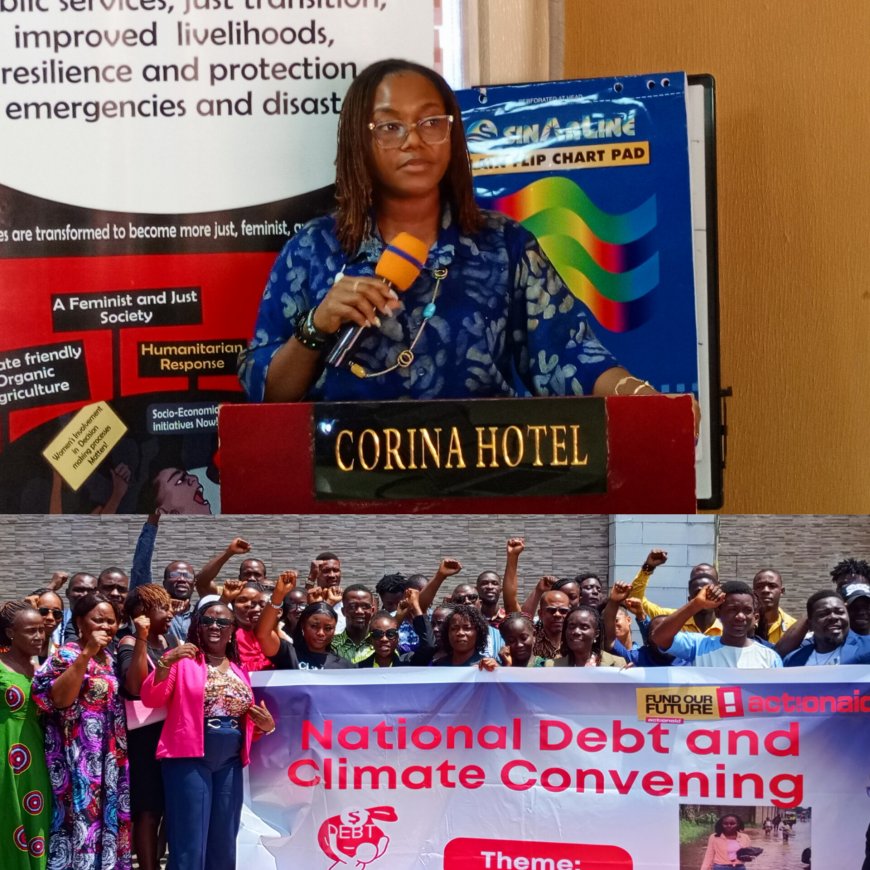
Monrovia, Liberia:The United Nations Development Programme (UNDP) has stressed the need for Liberia to strengthen the connection between debt management and climate action, warning that rising public debt and increasing climate vulnerabilities could continue to undermine the country’s development progress.
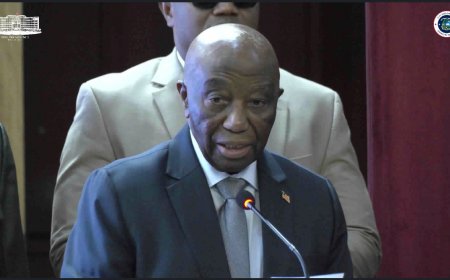
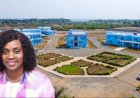
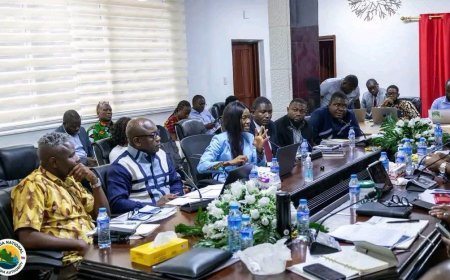
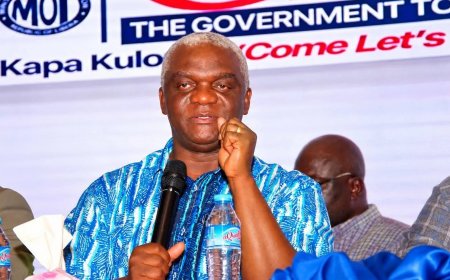
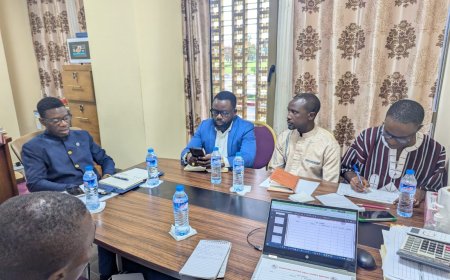
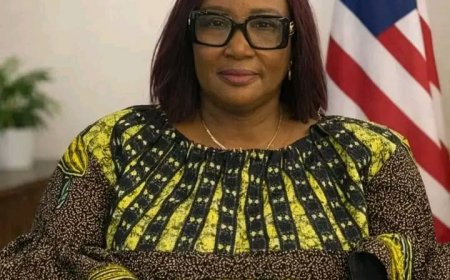
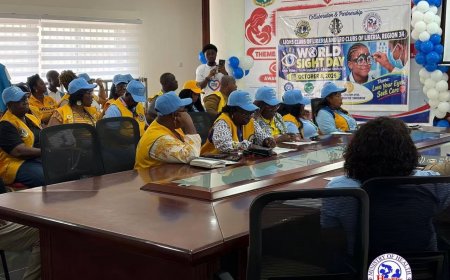
Speaking during the ActionAid Liberia National Debt and Climate Convening held under the theme “Who Owes Who? Liberia’s Debt, Climate Crisis and Path to Justice,” Salimatu Lamin Gilayeneh, Team Lead for Inclusive Green Growth at the United Nations Development Programme (UNDP) Liberia, said the discussion was timely as Liberia faces growing development demands, fiscal pressures, and the impacts of climate change.
Gilayeneh explained that while efforts are ongoing to improve debt management, challenges related to domestic revenue mobilization, public financial pressures, and climate-related shocks continue to limit investments in critical sectors including healthcare, education, infrastructure, and climate resilience.
She noted that the effects of climate change are becoming increasingly visible across Liberia through flooding, coastal erosion, habitat loss, displacement, and threats to livelihoods, particularly in vulnerable coastal communities.
The UNDP official said Liberia’s commitments under the United Nations Framework Convention on Climate Change (UNFCCC) and the Sustainable Development Goals (SDGs) require sustainable financing, strong public financial management, and collaboration among government, development partners, civil society, and communities.
According to Gilayeneh, UNDP remains committed to supporting Liberia’s climate response through several initiatives, including support to the country’s climate policy framework, the National Adaptation Plan (2020–2030), and the development of the ambitious Nationally Determined Contributions (NDC) 3.0.
She highlighted ongoing UNDP-supported projects, including the US$25 million Monrovia Metropolitan Climate Resilience Project, which is expected to begin construction soon to help protect the West Point community from coastal erosion. She also referenced a similar coastal resilience initiative in Greenville, Sinoe County, aimed at protecting communities and strengthening environmental sustainability.
Gilayeneh further disclosed that UNDP, in collaboration with the Environmental Protection Agency (EPA) and the National Disaster Management Agency (NDMA), has submitted a US$17 million proposal to the Loss and Damage Fund to support coastal protection efforts from the JFK area through Old Road Junction to the Bannah Beach community.
She said UNDP is also working with the Ministry of Finance and Development Planning to develop an Integrated National Fiscal Policy Framework that will bring together debt management, climate resilience, and sustainable development priorities.
She added that efforts are underway to introduce climate budget tagging, which will allow Liberia to better track climate-related investments and strengthen reporting on its NDC 3.0 commitments.
Gilayeneh emphasized that women, young people, persons living with disabilities, and other vulnerable groups are among those most affected by climate change despite contributing the least to global emissions.
“Climate justice demands that our financing policies and investments place these groups at the center of development solutions and discussions,” she said.
The UNDP representative called for stronger partnerships to promote sustainable debt management, transparency, accountability, and increased investment in climate adaptation.
She concluded that debt management and climate justice are closely connected, noting that Liberia’s ability to achieve sustainable and inclusive development depends on addressing both challenges together.
What's Your Reaction?
 Like
0
Like
0
 Dislike
0
Dislike
0
 Love
0
Love
0
 Funny
0
Funny
0
 Angry
0
Angry
0
 Sad
0
Sad
0
 Wow
0
Wow
0