





IOM, Partners Train Border Officers in Grand Cape Mount and Gbarpolu
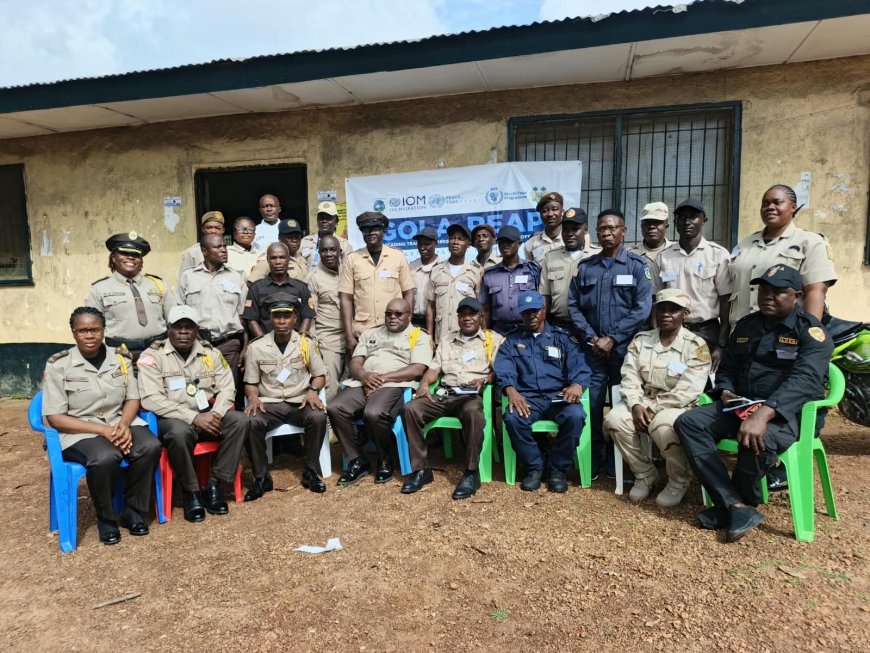
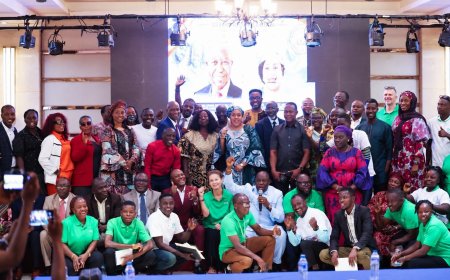
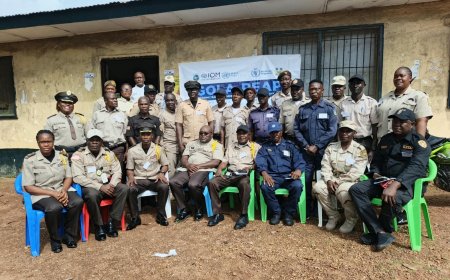
GRAND CAPE MOUNT AND GBARPOLU, Liberia: About 40 border security officers in Grand Cape Mount and Gbarpolu Counties have completed training aimed at improving cooperation among security agencies, protecting vulnerable migrants and strengthening operations at border crossings and checkpoints.
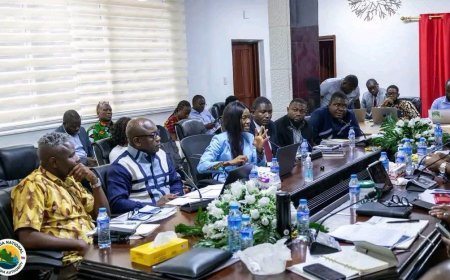
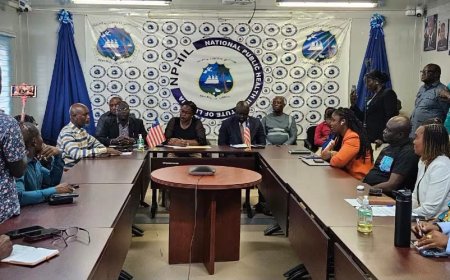
The workshop brought together personnel from the Liberia Immigration Service (LIS), Liberia National Police (LNP) and Liberia Drug Enforcement Agency (LDEA). Participants represented official border crossing points and key checkpoints across the two counties.
The International Organization for Migration (IOM) organized the training in partnership with the Office of the United Nations High Commissioner for Human Rights (OHCHR), the Liberia Peacebuilding Office and the Training Department of the Liberia Immigration Service.
Held in two phases, the workshop began in Tiennie, Grand Cape Mount County, from September 21 to 25, 2026. The second phase took place in Bopolu City, Gbarpolu County, from September 28 to October 2, 2026.
The sessions focused on Integrated Border Management, an approach that encourages agencies responsible for border operations to coordinate their work, share information and cooperate with counterparts across borders.
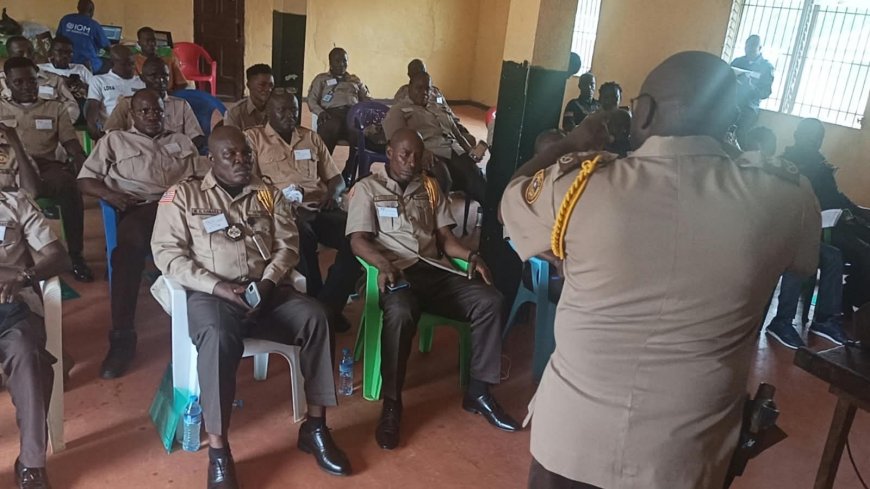
For the participating officers, the training covered both security duties and the treatment of people moving through border areas. It addressed interviewing, screening, communication and referral procedures, with attention to identifying cases involving trafficking in persons and migrant smuggling.
Officers also received training on protecting vulnerable migrants and carrying out their duties in line with human rights standards.
The workshop forms part of the GOLA-REAP project, which stands for Resilience, Empowerment, Access and Peacebuilding. IOM and the World Food Programme jointly implement the cross-border programme with funding from the United Nations Peacebuilding Fund.
Through the project, the training sought to improve how officers respond to migration and security concerns along the Liberia–Sierra Leone border corridor while supporting peaceful relations within border communities.
Cooperation Among Security Agencies
A central part of the workshop was the need for immigration, police and drug enforcement officers to work together at border crossings and checkpoints.
Participants examined coordination and information-sharing among their institutions, as well as cooperation across borders. The sessions connected these responsibilities with migration governance, social cohesion and peacebuilding.
The training also addressed practical tasks officers perform during their daily assignments. These included communicating with travelers, conducting interviews and screening, recognizing possible protection concerns and referring cases through the appropriate procedures.
Rather than ending with the participating officers, the workshop was designed to reach colleagues at their duty stations through further sharing of the lessons and skills acquired.
Speaking at the opening in Tiennie, Osborne Tate, Director of Training and Manpower Development at the Liberia Immigration Service, thanked IOM and the United Nations Peacebuilding Fund for supporting the initiative.
Tate emphasized the importance of helping officers better understand Integrated Border Management and how it applies to their work.
He encouraged participants to share what they learned with fellow officers when they returned to their respective duty stations. That call reflected the workshop’s cascading approach, under which trained personnel are expected to pass on their knowledge within their institutions.
Training Linked to Daily Border Duties
Charles Cummings, Commander of the Liberia Drug Enforcement Agency in Porkpa District, highlighted the practical value of the sessions for officers working in border areas.
According to Cummings, the knowledge gained would help improve operations and strengthen officers’ ability to serve communities and travelers while supporting efforts to prevent and combat crime.
His remarks placed attention on the duties officers must carry out beyond the classroom: managing movement through checkpoints, responding to security concerns and dealing professionally with members of the public.
The workshop brought those responsibilities together by addressing border security alongside communication, human rights and the protection of vulnerable people.
Participants were encouraged to consider how cooperation among agencies could improve their response to cases requiring the involvement of more than one institution.
The sessions also promoted a better understanding of individual roles and responsibilities, with the aim of improving coordination at official crossing points and checkpoints.
Officers Welcome Practical Lessons
Participating officers welcomed the opportunity to strengthen their knowledge and professional skills.
Catherine Maneh, an LIS officer assigned to the Gbarma Checkpoint in Gbarpolu County, said the training provided useful insights into border management operations and professional conduct.
Jackson Toe, an LNP commander assigned to Kongbor Town in Kungba District, also pointed to the value of the sessions in helping officers understand their responsibilities.
Both participants noted that the workshop broadened their understanding of their roles and provided practical approaches to managing border crossings and checkpoints more effectively.
Their observations reflected the training’s focus on connecting classroom lessons with the work officers carry out at their assigned posts.
Alongside operational procedures, the sessions emphasized how officers communicate with travelers and handle cases involving people who may need protection or referral.
The inclusion of human rights-based border governance placed attention on professional conduct throughout these encounters.
Participants Urged to Apply and Share Knowledge
At the close of the second phase in Bopolu City, Tamba Siaffa, IOM’s Project Focal Person for GOLA-REAP, commended the officers for their participation and engagement throughout the workshop.
He also thanked the facilitators for their professionalism and commitment to delivering the training.
Siaffa encouraged participants to apply the knowledge and skills acquired to their daily border management duties.
He further urged them to share the training with fellow officers within their institutions and at their duty stations, extending its reach beyond those who attended the two sessions.
That next step is central to the cascading model. The participating officers are expected to help colleagues understand the procedures and approaches covered during the workshop.
The training’s stated goals include better coordination among security agencies, stronger cross-border cooperation and improved protection for vulnerable migrants.
Its completion marks a step in the GOLA-REAP project’s work to support safer border communities along the Liberia–Sierra Leone corridor. The next stage is for participating officers to put the lessons into practice and pass them on to colleagues responsible for border crossings and checkpoints.
What's Your Reaction?
 Like
0
Like
0
 Dislike
0
Dislike
0
 Love
0
Love
0
 Funny
0
Funny
0
 Angry
0
Angry
0
 Sad
0
Sad
0
 Wow
0
Wow
0