












Liberian Lawmakers Head to India for Lessons on Women’s Leadership, Gender-Responsive Governance
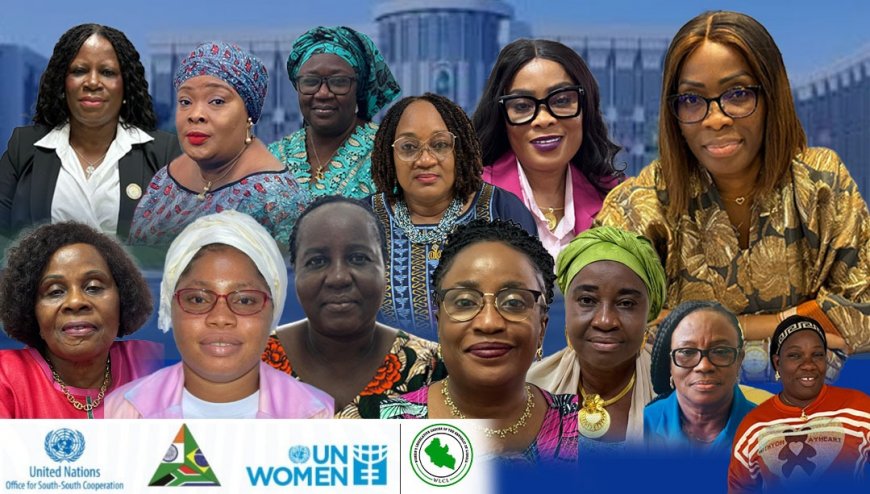
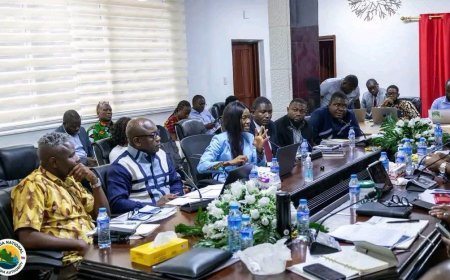
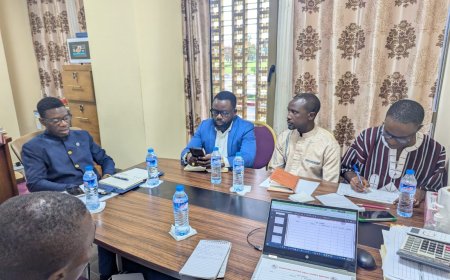
Monrovia, Liberia:A 12-member delegation of Liberian lawmakers has travelled to New Delhi, India, for a week-long South-South Peer Learning Mission aimed at finding practical solutions to Liberia’s low representation of women in politics and strengthening gender-responsive governance.
The delegation, comprising nine members of the House of Representatives and three senators, is participating in the August 10–16, 2026 mission under a partnership between the Women’s Legislative Caucus of Liberia (WLCL) and UN Women Liberia. Three legislative secretariat staff and a UN Women Liberia staff member are also part of the mission.
The exchange is being conducted under the project “Women Legislators in Liberia: Promoting Voice, Leadership and Gender-Responsive Governance for Sustainable Development,” funded by the IBSA Fund through the United Nations Office for South-South Cooperation (UNOSSC). The delegation is being hosted by UN Women India.
The mission comes as Liberia faces a major gap in women’s political representation. Women currently occupy only 11 of the 103 seats in Liberia’s National Legislature, representing less than 11 percent. The WLCL has made increasing women’s participation a major priority under its 2026–2029 strategic plan, including advocacy for a mandatory gender quota ahead of the 2029 elections.
Speaking on the importance of the mission, Representative Ellen A. Attoh-Wreh of Margibi County District #3, who chairs the Women's Legislative Caucus, said Liberia has an opportunity to learn from India's experience in advancing women's participation in governance and economic empowerment.
“This mission presents a significant opportunity for the Women's Legislative Caucus to draw on India's extensive experience in advancing gender equality through legislation, public policy, and institutional reform,” Attoh-Wreh said. She added that lessons from the mission would inform the Caucus's work on women's political participation, gender-responsive budgeting, gender-based violence and economic opportunities for women and girls.
The lawmakers are expected to meet Indian parliamentarians, government ministries, parliamentary institutions, civil society organizations, research institutions and women's groups. Discussions will focus on political participation, gender-responsive budgeting, violence against women, the care economy, women's economic empowerment and stronger legislative leadership.
The delegation will also study India's One Stop Centre (Sakhi) model for survivors of gender-based violence, women's Self-Help Groups under the National Rural Livelihoods Mission, childcare initiatives under the Palna Scheme and programs supporting women's entrepreneurship. Indian Ambassador to Liberia Manoj Bihari Verma described the exchange as evidence of strengthening ties between Liberia and India, saying, “We attach great importance to women’s leadership and meaningful participation in governance.”
UN Women Liberia Representative Dr. A. H. Monjurul Kabir said the exchange could help Liberia translate international experience into practical legislative action. “The Liberia-India Legislative Exchange is a testament to the growing power of South-South cooperation,” Kabir said, expressing confidence that lessons from India would help shape a more gender-responsive legislative agenda in Liberia and strengthen advocacy for years to come.
What's Your Reaction?
 Like
1
Like
1
 Dislike
0
Dislike
0
 Love
0
Love
0
 Funny
1
Funny
1
 Angry
0
Angry
0
 Sad
0
Sad
0
 Wow
0
Wow
0