























Ministry Of Gender Launches Gbv Data System To Unify National Reporting

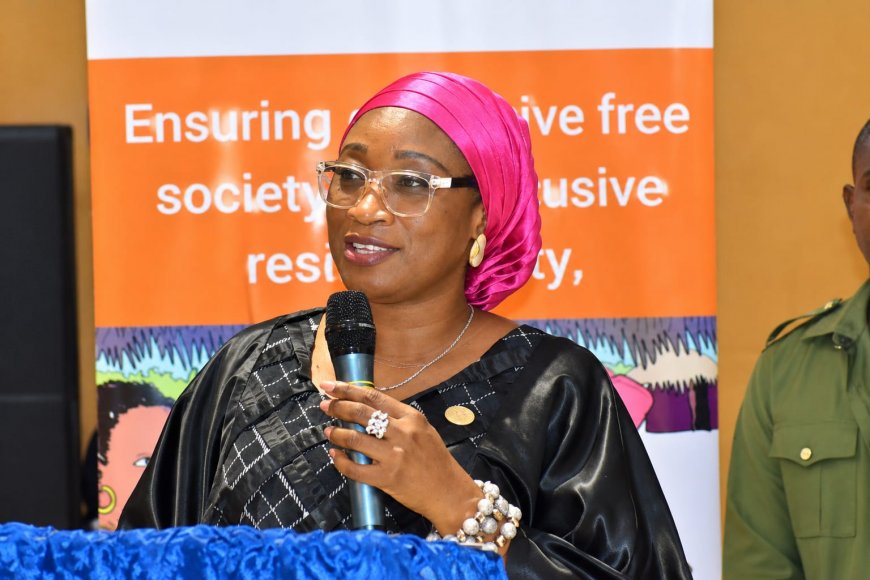
Monrovia, Liberia — Liberia has launched its first Gender-Based Violence Information Management System (GBVIMS), designed to improve how information on violence is collected, managed and used, but civil society says its impact will depend on stronger coordination among government institutions and adequate funding for data collection across the counties.
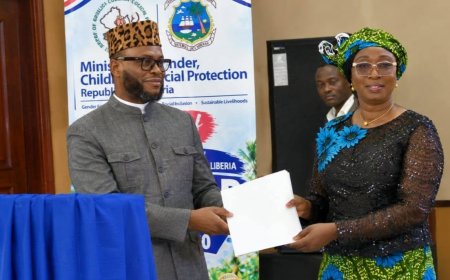
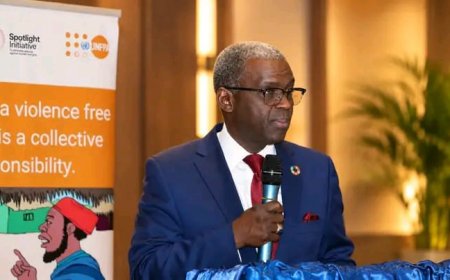
The Ministry of Gender, Children and Social Protection launched the system with support from the United Nations Population Fund (UNFPA) through the European Union-funded Spotlight Initiative 2.0.
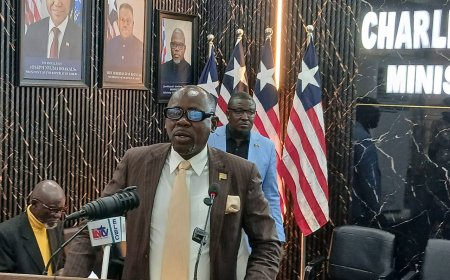
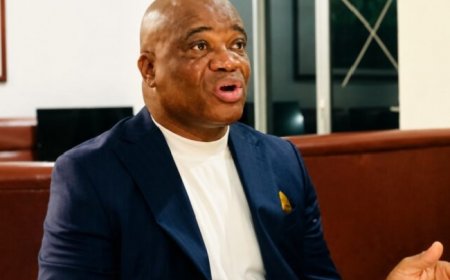
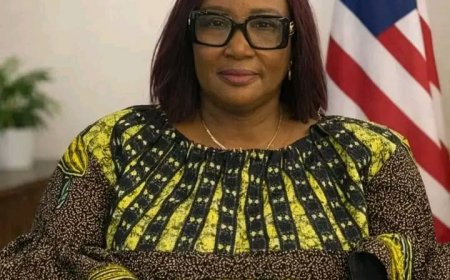
Gender Minister Gbeme Horace Kollie said gaps in data collection, reporting, harmonization and analysis have limited the government’s ability to design interventions and coordinate responses to gender-based violence.
“For too long, the gap in data collection, reporting, harmonization, and analysis of data have limited our ability particularly to be able to design interventions or maybe even report in a more coordinated way,” Kollie said.
The system is intended to standardize incident reporting, improve the secure management of survivor information and help institutions make better-informed decisions about prevention and support services.
Kollie emphasized that sensitive information must be handled carefully, warning that its misuse could expose survivors to stigma, discrimination, retaliation and further abuse. She stressed the importance of confidentiality, informed consent and responsible data management.
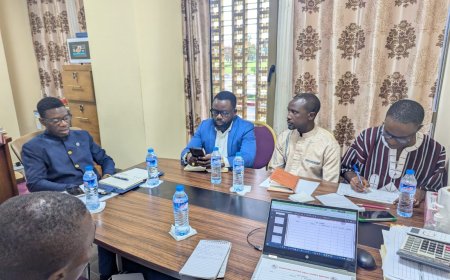
She also called for stronger coordination among the Ministries of Gender, Health and Justice, the Liberia National Police and frontline service providers to improve how information is collected and used.
Civil Society Questions Data Consistency and Funding
Esther Yango, executive director of the Women NGO Secretariat of Liberia, said civil society organizations have encountered different figures from the Liberia National Police and the Ministries of Gender and Health, making it difficult to determine which statistics to rely on for advocacy and programme planning.
Yango called for stronger coordination among the institutions to establish a consistent national dataset that can guide policy decisions and responses to gender-based violence.
She also urged the government to allocate funding in the national budget for equipment and other resources needed to collect information in the counties.
Yango expressed concern that providing only two tablets for county-level data collection would be insufficient, particularly in areas where violence against women and girls remains a concern.
Her concerns point to a practical challenge facing the new system: reliable national information depends on institutions having the equipment, trained personnel and resources needed to collect and manage data consistently across the country.
Yango said civil society organizations also play an important role because they are often among the first to come into contact with survivors.
She emphasized that the information gathered must lead to improvements in services, prevention and accountability.
“Ultimately, our success must be measured not simply by the data we collect, but by the lives we protect and the violence we prevent,” Yango said.
Turning Data Into Protection
The Ministry of Gender says it will engage the Ministries of Health and Justice to strengthen coordination at managerial and policy levels. The European Union, UNFPA, UN Women and UNDP were also acknowledged for their support.
The GBVIMS is expected to help institutions identify service gaps, improve coordination and use evidence to guide their response to gender-based violence. Its effectiveness, however, will depend on whether agencies consistently provide reliable information, protect survivors’ identities and use the findings to improve services.
For Liberia, the challenge now extends beyond launching the system. Sustained funding, interagency coordination and responsible handling of sensitive information will be essential to turning the initiative into stronger protection and support for survivors.
What's Your Reaction?
 Like
0
Like
0
 Dislike
0
Dislike
0
 Love
0
Love
0
 Funny
0
Funny
0
 Angry
0
Angry
0
 Sad
0
Sad
0
 Wow
0
Wow
0