















Nyanti’s India Mission Yields 3,000mt rice, more Scholarships

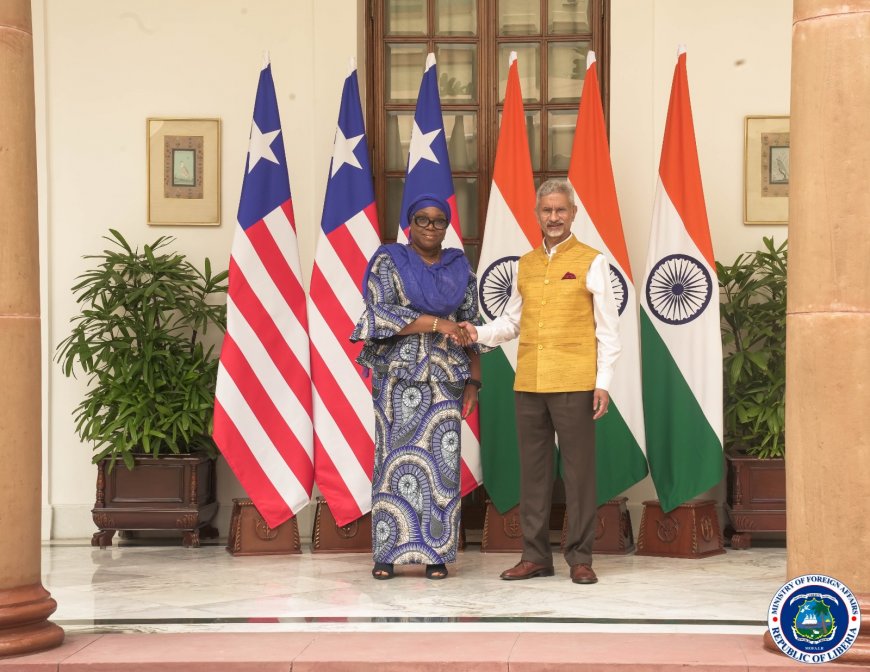
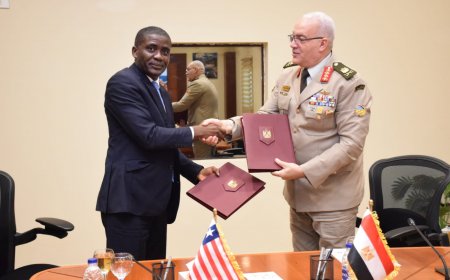
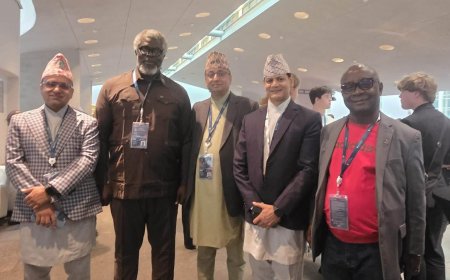
NEW DELHI, INDIA — Liberia has secured 3,000 metric tons of rice from the Government of India, along with increased scholarship opportunities and potential support for community-based development projects, following high-level bilateral talks between Foreign Minister Sara Beysolow Nyanti and India’s Minister of External Affairs, Dr. S. Jaishankar.
The outcomes emerged from discussions held shortly after Liberia formally reopened its Embassy in New Delhi, restoring the country’s diplomatic presence in India after 35 years.
The reopening of the embassy, according to Liberia’s Foreign Ministry, is intended to strengthen bilateral relations and ensure that diplomatic engagement produces tangible benefits for Liberians.
A major outcome of the talks is India’s commitment to provide 3,000 metric tons of rice to Liberia, with arrangements now being advanced for the mobilization and shipment of the commodity.
The two sides also discussed support for President Joseph Nyuma Boakai’s ARREST Agenda for Inclusive Development, particularly through community-level projects intended to produce visible development benefits.
Under the arrangement, Liberia’s Ministry of Foreign Affairs will submit a concept paper outlining priority community projects aligned with the ARREST Agenda for consideration and possible funding by the Government of India.
Education also featured prominently in the discussions, with India agreeing to increase scholarship opportunities for Liberian students.
The two countries further agreed to deepen cooperation between their respective foreign service institutions, including expanded professional training opportunities for young Liberian diplomats.
Minister Nyanti particularly pushed for dedicated professional development opportunities for women diplomats as part of efforts to strengthen Liberia’s diplomatic capacity.
“Our return to New Delhi after 35 years must deliver results for our people,” Minister Nyanti said.
“Securing support for food security and opening a pathway for India to support community projects under the President’s ARREST Agenda are important immediate outcomes. We are equally focused on building lasting partnerships in education, healthcare, maritime security, trade and investment.”
Beyond food security and education, the two ministers agreed to broaden bilateral cooperation in maritime affairs and security.
Both sides are working toward the signing of a bilateral maritime cooperation agreement on the sidelines of the United Nations General Assembly in September 2026.
The ministers are also exploring the possibility of jointly leading the establishment of a global diplomatic advocacy platform focused on maritime security.
The discussions further touched on reform of the United Nations Security Council, including calls for greater African representation and support for India’s aspirations for a permanent seat on the Council.
Health Cooperation
Health cooperation was another major area discussed during the talks.
Liberia and India agreed to pursue enhanced medical cooperation, beginning with engagement involving the three primary hospitals frequently used by Liberian patients seeking medical treatment in India.
The proposed cooperation will explore institutional partnerships, improved arrangements for Liberians seeking treatment in India, and opportunities for medical consultations to be conducted in Liberia before patients travel.
The Ministries of Health of both countries are expected to work together to develop a framework for implementing the initiative.
Trade and Investment
The two governments also agreed to strengthen economic diplomacy and private-sector engagement, with an emphasis on increasing trade, investment and business-to-business partnerships between Liberia and India.
The renewed diplomatic engagement is expected to provide a platform for both governments to identify opportunities for Indian investment in Liberia while expanding access to the Indian market for Liberian businesses.
The Foreign Ministry said the bilateral meeting represents an early dividend of Liberia’s restored diplomatic presence in New Delhi.
With the reopening of the Liberian Embassy after more than three decades, the Government is seeking to transform Liberia-India relations from diplomatic engagement into concrete development partnerships that deliver benefits in food security, education, healthcare, maritime security, trade and investment.
The embassy is expected to play a central role in following up on the commitments reached during the high-level talks and advancing Liberia’s broader economic and development interests in India.
What's Your Reaction?
 Like
0
Like
0
 Dislike
0
Dislike
0
 Love
0
Love
0
 Funny
0
Funny
0
 Angry
0
Angry
0
 Sad
0
Sad
0
 Wow
0
Wow
0