






























After Years of Drinking Creek Water, Baypolu Residents Gain Access to Safe Drinking Water

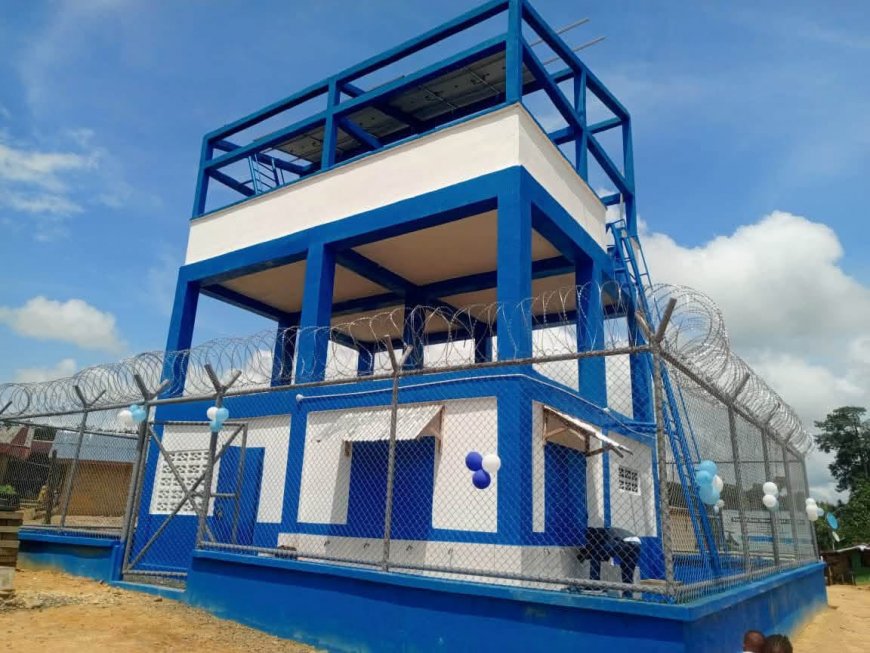
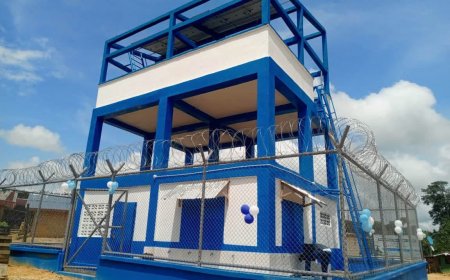
BAYPOLU, Gibi District, Margibi County — After years of relying on creeks and rivers for drinking water, residents of Baypolu Town in Upper Margibi County have gained access to a modern safe drinking water facility dedicated and turned over to the community by World Hope International (WHI).
The facility, officially dedicated over the weekend, is expected to improve access to safe drinking water for residents who have long depended on potentially contaminated water sources, exposing themselves to the risk of waterborne diseases.
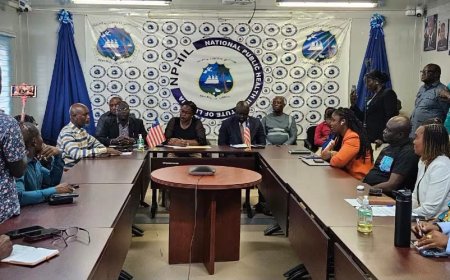
The dedication brought together community leaders, women’s groups, representatives of the National WASH Commission, and residents, marking a significant development in the community’s access to essential water services.
For many rural communities in Liberia, access to safe drinking water remains a challenge, with women and children often bearing the responsibility of traveling long distances to collect water. The situation can expose families to health risks while taking time away from education, farming, businesses, and other daily activities.
Speaking at the ceremony, Elijah K. Maine of World Hope International emphasized that the long-term success of the project would depend on the community’s commitment to maintaining the facility.
“We have trained your technicians, your WASH committee, and your leadership. This project is now yours. You must take ownership of it,” Maine said.
He challenged residents to protect the investment and ensure it continues serving future generations.
“We want to come back after ten years and still see this facility alive and serving the people of Baypolu,” he added.
Maine’s remarks underscore the importance of community ownership in sustaining water, sanitation, and hygiene (WASH) projects, particularly in hard-to-reach communities where access to maintenance services and technical support may be limited.
USAID Project Continued Through WHI Intervention
Providing background on the project, Abed Tobey, Technical Consultant at the National WASH Commission, disclosed that the initiative was initially started by the United States Agency for International Development (USAID).
According to Tobey, following USAID’s phase-out, World Hope International intervened to ensure the project was completed.
He described the intervention as a response to the longstanding demand for safe drinking water in rural Liberia.
“Media institutions have always reported on the lack of safe drinking water in rural communities across the fifteen political subdivisions of Liberia. Today, World Hope International has answered that cry in Baypolu by providing safe and purified drinking water. We are grateful for this timely intervention,” Tobey said.
The completion of the facility highlights the role of development partners in addressing basic service gaps in underserved communities, particularly where projects face disruptions or require additional support to reach completion.
Women Pledge to Protect Facility, Urge Residents to Stop Using Creek Water
Women in Baypolu have pledged to help protect the new facility and encourage residents to use the water source instead of relying on creeks.
The Chairlady of the Barpor Pro-Women group said the organization was committed to ensuring the facility remained functional and accessible to the community.
“We, the women of Baypolu, promise to maintain this water facility. We are calling on all our people to stop drinking from the creek and make full use of this newly constructed safe water facility,” she said.
The commitment reflects the importance of community participation, particularly among women, who often carry the greatest burden of collecting water for household use.
Also speaking on behalf of women and children, Irene T. Darwolo stressed that access to safe drinking water was essential to protecting children from preventable illnesses.
“Safe water is the best way to protect our children from sickness and infection in rural communities,” Darwolo said.
She called on mothers to encourage their children to use the newly dedicated facility.
“I am calling on all women to always send their children to this facility,” she added.
Residents Urged to Protect Public Investment
Abel Folokulah, Technical Manager, also urged residents to treat the water facility as a shared community asset rather than a project belonging solely to the government or the organization that constructed it.
“Public facilities are not to be taken for granted. This is not just a government or NGO project; it is your own project,” Folokulah said.
“Now that you have it, you must protect it,” he emphasized.
His remarks highlighted a central challenge facing rural water projects: ensuring that facilities remain operational long after their official dedication.
While the new facility represents progress for Baypolu, its long-term impact will depend on regular maintenance, responsible use, effective community management, and the availability of technical support when needed.
For residents who have relied on creeks and rivers for years, the project offers an opportunity to reduce dependence on potentially unsafe water sources and improve household access to drinking water.
World Hope International continues to support vulnerable and hard-to-reach communities through interventions aimed at improving living conditions and expanding access to essential services.
For Baypolu, the dedication marks an important step toward safer drinking water. The challenge now is to ensure the facility remains functional and continues serving the community for years to come.
What's Your Reaction?
 Like
0
Like
0
 Dislike
0
Dislike
0
 Love
0
Love
0
 Funny
0
Funny
0
 Angry
0
Angry
0
 Sad
0
Sad
0
 Wow
0
Wow
0