



















Ngafuan Warns Against Poor Planning as Government Begins FY2027 Budget Process

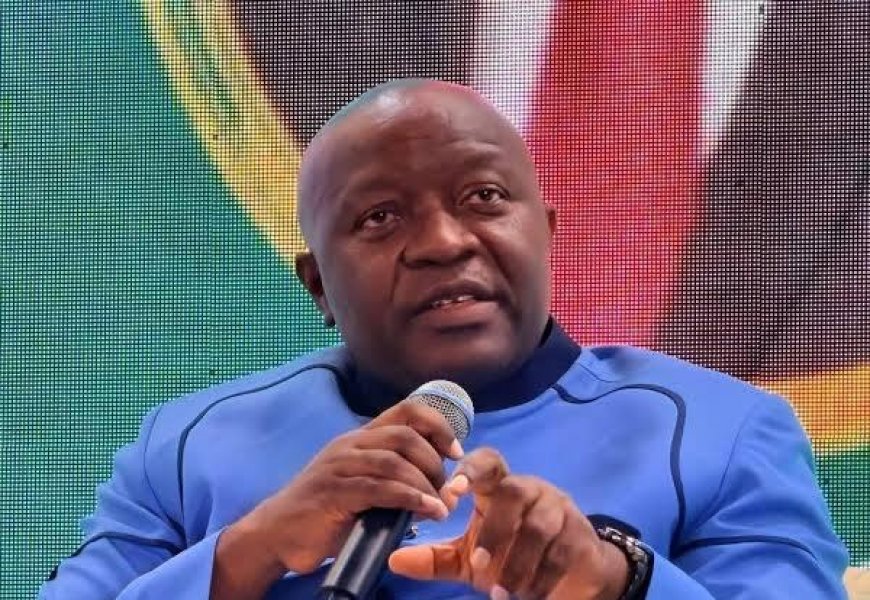
MONROVIA – Finance and Development Planning Minister Augustine Kpehe Ngafuan has challenged government spending entities to abandon what he described as a culture of weak planning and last-minute funding requests, warning that poor budget preparation continues to undermine effective public service delivery.
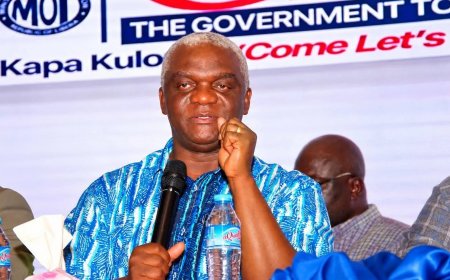
Launching the Fiscal Year 2027 National Budget Preparation Process in Monrovia, Ngafuan said ministries, agencies, and commissions must submit realistic and well-prioritized budgets that reflect national development goals and the government's ARREST Agenda for Inclusive Development.
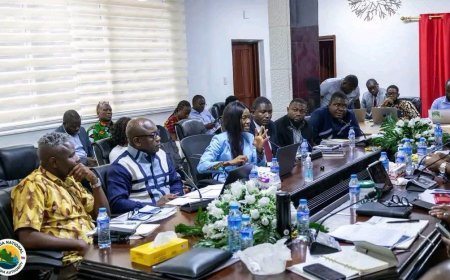
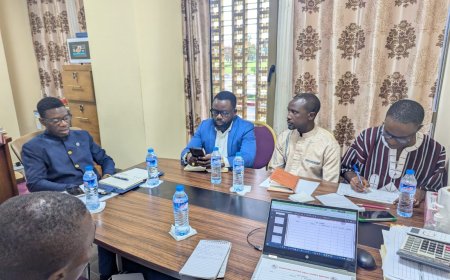
Addressing heads of government institutions, deputy ministers, controllers, procurement officers, and development planners, the Finance Minister stressed that the budget process should not be viewed as a routine administrative exercise but as a critical national undertaking that will shape Liberia's development trajectory.
"We are here today to talk about the future," Ngafuan declared. "The decisions we make during this process will determine how effectively government delivers services and improves the lives of the Liberian people."
The Minister used the occasion to highlight what he described as significant gains in Liberia's public financial management system under the administration of President Joseph Nyuma Boakai. According to him, the government has consistently submitted budgets on time and achieved a historic breakthrough when the Legislature approved national budgets before the beginning of the fiscal year in both 2024 and 2025.
He noted that timely budget approval has improved predictability in government operations and enhanced revenue collection and expenditure management.
Ngafuan also pointed to steady growth in domestic revenue mobilization. He disclosed that Liberia collected nearly US$700 million in domestic revenue in 2024, a record at the time, before surpassing that figure with more than US$840 million in 2025.
The Minister said the government's confidence in its revenue outlook led to the submission of a US$1.2 billion budget for Fiscal Year 2026, despite criticism from skeptics who questioned the feasibility of the projections.
"Many people doubted that we could achieve it," he said. "But from where we stand today, we remain on course to meet our targets."
While celebrating those achievements, Ngafuan cautioned that increasing revenue alone will not guarantee development outcomes if public resources are not properly planned and efficiently spent.
He identified poor planning as one of the most persistent challenges confronting government institutions, noting that many agencies fail to adequately identify and budget for key priorities during the formulation stage, only to seek additional funding during implementation.
Such practices, he argued, place pressure on limited public resources and create unnecessary disruptions in budget execution.
"We cannot continue a situation where institutions come back a few months into the fiscal year asking for money for activities that should have been anticipated during budget preparation," he said.
In a clear signal that the Ministry of Finance intends to tighten expenditure controls, Ngafuan revealed that entities seeking supplementary resources may increasingly be required to reprioritize within their existing allocations rather than expect additional funding from the national treasury.
"We do not have a pool of free money sitting somewhere," he told participants. "When requests come for additional funding, we often have to make difficult choices about where those resources will come from."
The Finance Minister urged spending entities to place greater emphasis on the government's ARREST Agenda, which serves as the country's principal development framework. He said ministries and agencies should ensure that budget proposals directly support the agenda's priorities before introducing new projects and initiatives.
According to him, the 2027 budget must continue to focus on strategic sectors including infrastructure development, agriculture, healthcare, education, youth empowerment, private sector growth, and the strengthening of justice and rule-of-law institutions.
Ngafuan further called on heads of institutions to take personal responsibility for budget preparation and execution by actively participating in budget management committee meetings and maintaining closer oversight of spending plans.
He stressed that every public dollar must translate into measurable results for citizens, adding that government will continue to promote greater accountability, efficiency, and value for money across the public sector.
As the FY2027 budget process gets underway, technical discussions among sector working groups are expected to begin in the coming weeks. The consultations will help determine spending priorities and shape the government's fiscal strategy for the coming year.
With Liberia's economy showing signs of recovery through growth in mining, agriculture, and services, government officials believe the upcoming budget presents an opportunity to consolidate recent gains. However, Ngafuan warned that success will ultimately depend on disciplined planning, prudent spending, and unwavering commitment to national priorities.
"The credibility of the national budget depends on the quality of the plans we submit today," he said. "If we plan well, we will execute well."
What's Your Reaction?
 Like
0
Like
0
 Dislike
0
Dislike
0
 Love
0
Love
0
 Funny
0
Funny
0
 Angry
0
Angry
0
 Sad
0
Sad
0
 Wow
0
Wow
0