
















President: Liberia Must Break the Cycle of Bad Loans to Unlock Jobs and Growth
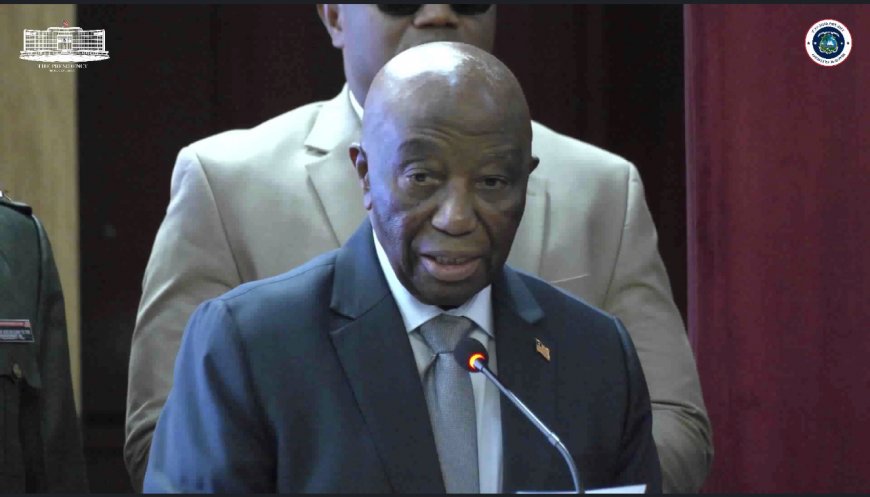
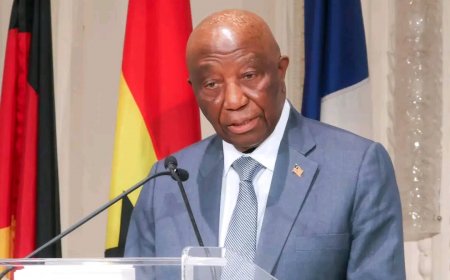
Monrovia, Liberia: President Boakai has called for urgent and coordinated action to address the country’s growing non-performing loan (NPL) challenge, warning that unpaid loans are restricting access to credit, weakening confidence in the banking sector, and limiting private-sector growth and job creation.
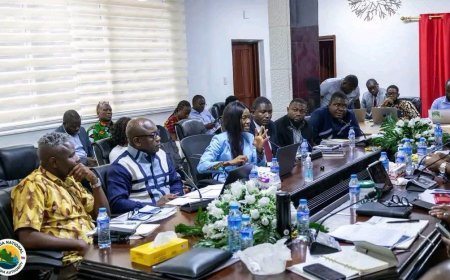
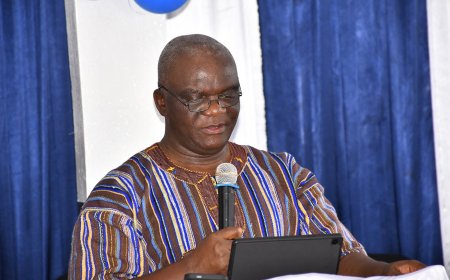
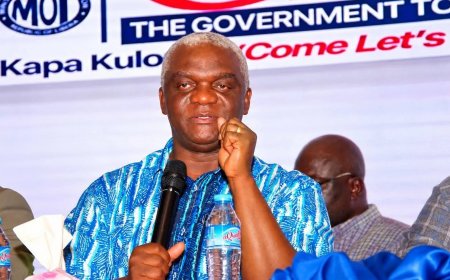
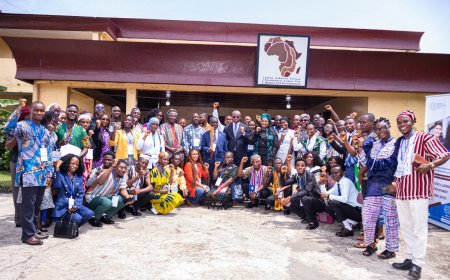
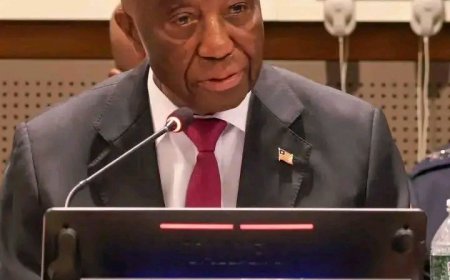
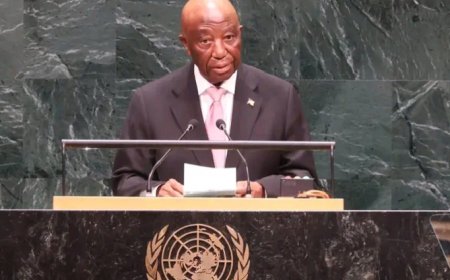
Speaking Wednesday at the opening of the National Conference on the Resolution of Non-Performing Loans in the Liberian Financial Sector, the President said the issue should no longer be viewed as merely a technical banking concern but as a broader national development challenge.
“This issue, in my view, is really about people.”
The President said the impact of non-performing loans extends beyond bank balance sheets and distressed assets, affecting farmers seeking financing, young entrepreneurs looking for capital, businesses seeking to expand, and depositors whose funds must be protected.
‘This Is Not Simply a Banking Problem’
The President noted that when loans are not repaid, funds that should circulate through the economy become tied up, forcing banks to become more cautious about lending.
As a result, credit becomes harder and more expensive to obtain, ultimately placing a burden on businesses, entrepreneurs and ordinary Liberians.
He described the conference theme — “Resolving Non-Performing Loans to Unlock Access to Finance for Private Sector Growth and Job Creation” — as timely and directly connected to Liberia’s economic development ambitions.
“This is not simply a banking problem. It is a national development challenge,” the President said.
Banks and Borrowers Must Fulfill Their Responsibilities
The President stressed that restoring confidence in Liberia’s financial system requires responsibility from both lenders and borrowers.
He called on banks to strengthen lending practices, conduct proper credit assessments and improve risk management, while urging borrowers to recognize that loans are financial obligations that must be repaid.
“Contracts must mean something. Collateral must mean something,” he said, emphasizing the importance of effective legal and judicial institutions capable of resolving financial disputes fairly and efficiently.
According to the President, stronger enforcement of contracts and collateral would help restore confidence among lenders and encourage responsible lending.
Government Identifies Key Areas for Reform
The President acknowledged that Liberia’s non-performing loan problem developed over time and will require sustained efforts to resolve.
He identified weaknesses in credit assessment and risk management, gaps in credit information, challenges surrounding collateral enforcement, limitations in legal and judicial processes, and concerns about financial discipline and repayment culture.
He stressed, however, that no single institution can resolve the problem alone.
The Central Bank, commercial banks, borrowers, the Legislature, Judiciary, Executive Branch, private sector and development partners must all play their respective roles, he said.
Focus Must Extend Beyond Existing Bad Loans
While emphasizing the importance of resolving existing non-performing loans, the President urged stakeholders to focus equally on preventing future bad loans.
He called for improvements in:
- Credit reporting systems;
- Land administration;
- Collateral registration and enforcement;
- Financial technology and digital financial services;
- Responsible lending practices; and
- Liberia’s insolvency framework.
The President said Liberia must embrace innovation as the financial sector rapidly evolves, while ensuring that new technologies and financial services protect consumers and maintain financial stability.
‘The Success Will Be Measured by Implementation’
The President challenged participants not to allow the conference to become another forum that produces recommendations without meaningful follow-through.
He said Liberia has held numerous conferences and produced many reports, but the country now needs implementation.
“What our people need now is implementation.”
He urged participants to leave the conference with clear and practical commitments, assigned responsibilities, realistic timelines and a mechanism for monitoring progress.
Development Partners Urged to Continue Supporting Reform
The President expressed appreciation to the International Monetary Fund, World Bank Group, African Development Bank, International Finance Corporation, development partners and other stakeholders for their continued support to Liberia’s financial-sector modernization.
He said Liberia values their technical expertise, policy advice and assistance and looks forward to continued collaboration.
Building a Financial System That Works for Liberia
The President said the ultimate objective should be a financial system that provides responsible borrowers with greater access to credit while giving lenders confidence that legitimate financial obligations will be honored.
Such a system, he said, should provide capital to farmers, entrepreneurs, manufacturers, women and young people who are ready to invest, work and create jobs.
He linked the reforms to the government’s ARREST Agenda for Inclusive Development, which seeks to expand economic opportunities, create jobs, empower young people and women, strengthen agriculture and food security, improve infrastructure and support the growth of Liberian businesses.
“The challenge before us is significant, but it is not beyond us,” the President said. “We know the problem. We have brought the right institutions together. Now we must move from discussion to action.”
The President subsequently declared the National Conference on the Resolution of Non-Performing Loans in the Liberian Financial Sector officially open on September 9, 2026.
What's Your Reaction?
 Like
1
Like
1
 Dislike
0
Dislike
0
 Love
0
Love
0
 Funny
0
Funny
0
 Angry
0
Angry
0
 Sad
0
Sad
0
 Wow
0
Wow
0