




Stop the Tribal Politics,” Piah Blasts Rep. Marvin Cole Over Jewel Howard-Taylor Case

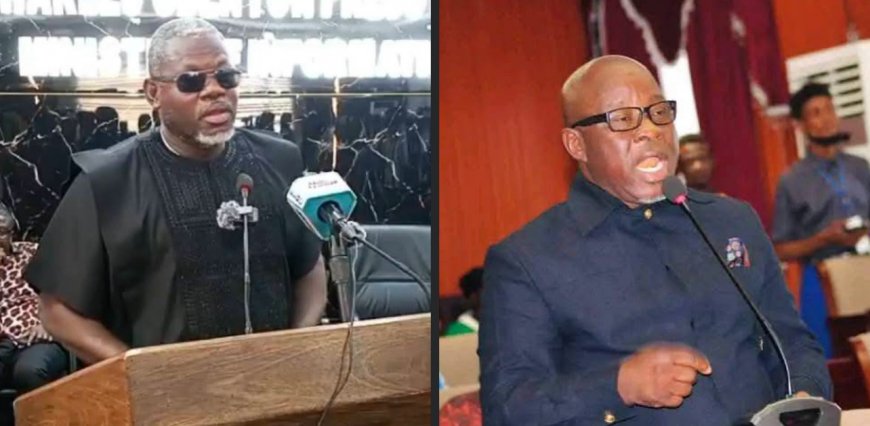
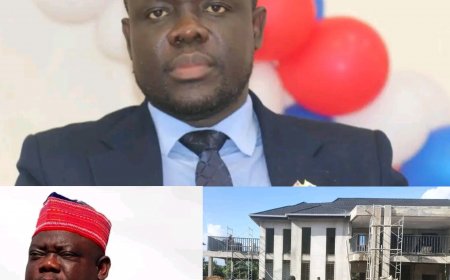
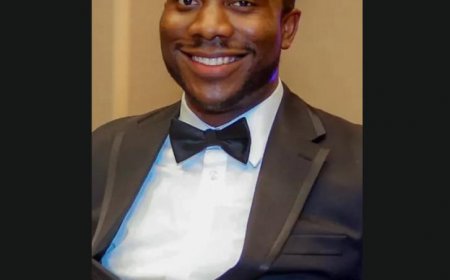
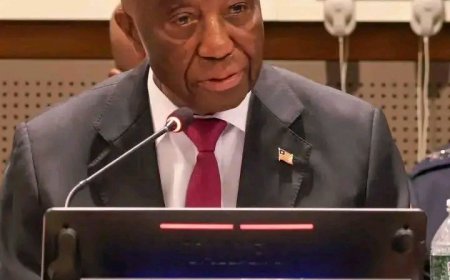
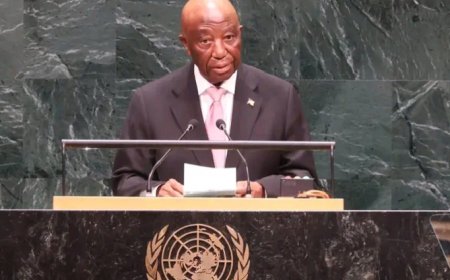
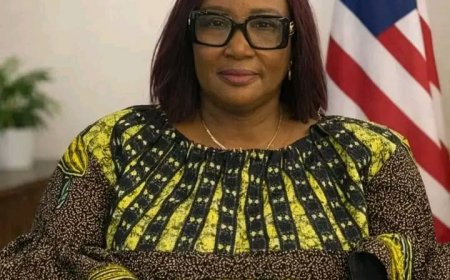
MONROVIA, LIBERIA: Information Minister Jerolinmek Matthew Piah has launched a strong attack against Bong County District #3 Representative Marvin Cole, accusing the lawmaker of using the criminal proceedings involving former Vice President Jewel Howard-Taylor to stir tribal and regional divisions for political advantage.
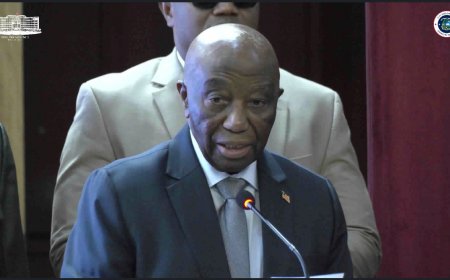
Speaking Tuesday at the Ministry of Information’s regular press briefing, Minister Piah described Representative Cole’s recent public comments as “reckless and irresponsible,” arguing that they misrepresented the government’s handling of the high-profile narcotics case.
According to Piah, the Bong County lawmaker has been telling residents that Howard-Taylor is being targeted because she is a Kpelle woman and a prominent daughter of Bong County. He further accused Cole of urging Bong County voters to resist the legal process and punish the ruling Unity Party at the polls in 2029.
The Information Minister rejected that characterization, maintaining that the proceedings are based on a criminal investigation rather than the former Vice President’s ethnicity, county of origin or political affiliation.
Piah said portraying the case as an attack on the Kpelle people or Bong County risks shifting public attention away from the serious allegations before the court. He argued that political leaders should allow the judiciary to determine the case instead of turning it into a tribal confrontation.
Warning Against Divisive Politics
The Minister warned that statements built around tribal, regional or sectional loyalties could inflame public tension and threaten the country’s peace.
He recalled that ethnic mistrust, political exclusion and regional divisions were among the grievances that helped fuel Liberia’s 14 years of civil conflict. He therefore urged public officials to avoid language capable of reopening old wounds or turning criminal proceedings into conflicts between communities.
Piah said elected officials have a responsibility to calm tensions, provide accurate information and strengthen public confidence in national institutions.
He called on Representative Cole to withdraw from what he described as a dangerous political path and conduct himself in a manner consistent with the responsibilities of his office.
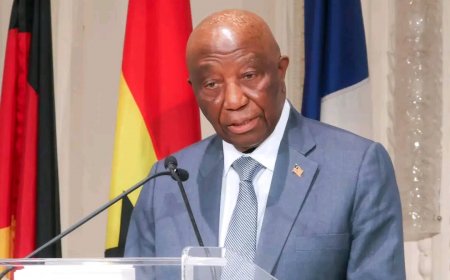
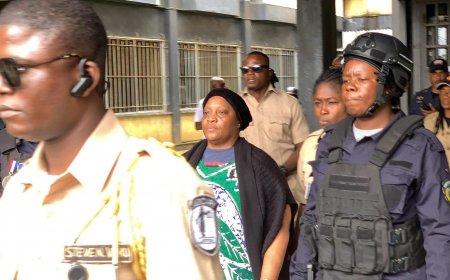
Former Vice President Jewel Howard-Taylor was stopped at Roberts International Airport on August 19, 2026, and subsequently taken to the headquarters of the Liberia National Police for investigation.
The Ministry of Justice later announced several charges against her under Liberia’s Controlled Drug and Substance Act, Penal Law and Anti-Money Laundering and Terrorist Financing Law. They include alleged illicit trafficking, unlicensed importation and distribution of controlled substances, criminal solicitation, criminal facilitation, conspiracy and money laundering.
The government says the charges resulted from an investigation into an alleged transnational narcotics network operating within and outside Liberia. Three foreign nationals were also charged in absentia, while authorities announced plans to pursue their arrest through domestic and international channels.
The case emerged following Liberia’s record seizure of 3,971 kilograms of cocaine in Duazon in July. Police estimated the drugs’ street value at approximately US$317 million and said the shipment was reportedly destined for Europe. Two foreign nationals were arrested during the operation.
Howard-Taylor, who served as Liberia’s Vice President from 2018 to 2024, has rejected the charges. Her lawyers and political supporters maintain that the case is politically motivated, an accusation the government has repeatedly denied.
The Ministry of Justice has stressed that the charges remain allegations and do not amount to a declaration of guilt. Howard-Taylor and the other defendants are legally presumed innocent unless convicted by a competent court.
Representative Cole’s reported comments form part of a growing political debate over whether the proceedings represent a legitimate anti-narcotics prosecution or an attempt to weaken a leading opposition figure.
However, Piah insisted that disagreements over the case should be handled through the courts and public debate grounded in facts, rather than through tribal appeals capable of dividing the country.
What's Your Reaction?
 Like
0
Like
0
 Dislike
0
Dislike
0
 Love
0
Love
0
 Funny
0
Funny
0
 Angry
0
Angry
0
 Sad
0
Sad
0
 Wow
0
Wow
0