































All 285 Yellow Machines Arrive in Liberia as Government Sets June 29 Rollout for Counties

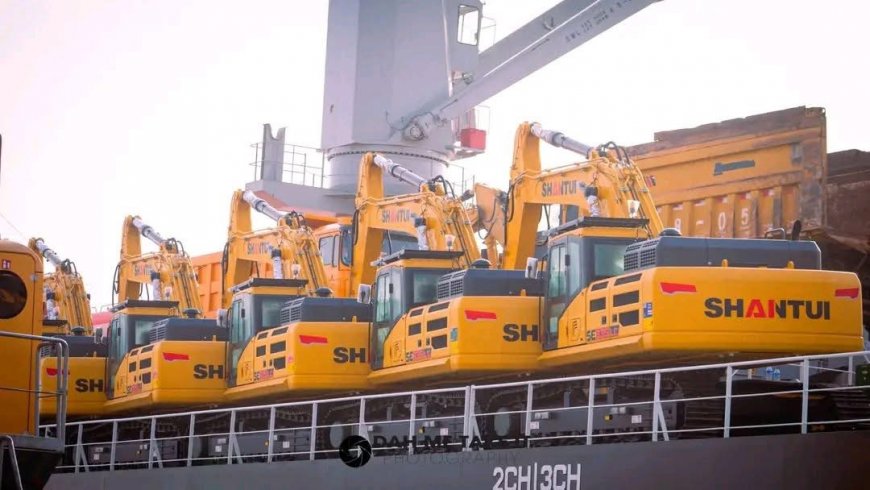
MONROVIA, LIBERIA: The Government of Liberia has completed the importation of all 285 yellow machines under its nationwide road infrastructure program, with authorities announcing that deployment to counties will officially begin on June 29, 2026.
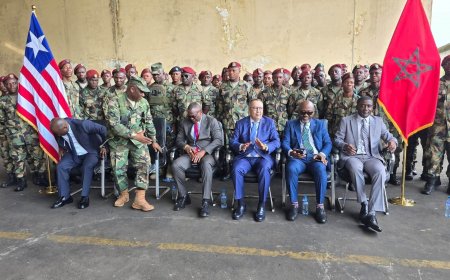
The announcement was made on Saturday by a senior member of the Special Presidential Project Coordinating Committee, the body overseeing the management and operation of the equipment, during an interview with journalists at Camp Sandee Ware Military Barracks.
According to officials, the first phase of deployment will begin in southeastern Liberia before expanding to the remaining counties. The equipment is expected to support road construction, rehabilitation, and routine maintenance efforts across the country.
The arrival of the final batch marks a significant milestone in one of President Joseph Boakai’s most ambitious infrastructure programs, which seeks to improve road connectivity and reduce the government’s long-standing reliance on privately rented construction equipment.
A Promise Years in the Making
The yellow machines initiative emerged as a major campaign and governance commitment aimed at addressing Liberia’s chronic road challenges. For decades, many counties have struggled with poor road networks, particularly during the rainy season when communities become isolated and transportation costs increase dramatically.
Government officials have argued that owning road construction equipment will enable counties to undertake maintenance work more efficiently while reducing the millions of dollars spent annually on equipment rentals and private contracts.
The program is also intended to support the administration’s broader development agenda by improving access to markets, schools, health facilities, and investment opportunities throughout the country.
Public Debate and Controversy
Despite widespread public support for improving road infrastructure, the yellow machines program has not been without controversy.
Since the project’s inception, critics have raised concerns about procurement processes, maintenance costs, operator training, and the long-term sustainability of the initiative. Some opposition figures and civil society groups questioned whether counties would have the technical capacity and budgetary resources needed to properly maintain the machines once deployed.
Others called for greater transparency regarding operational plans, fuel allocations, spare parts procurement, and accountability mechanisms to prevent misuse of the equipment.
Supporters of the project, however, argue that the machines represent a strategic national investment that could transform Liberia’s road sector and empower local authorities to respond more quickly to infrastructure challenges.
Expectations Ahead of Deployment
With all 285 machines now reportedly in the country, attention is shifting to how effectively the equipment will be distributed and managed.
Officials say the June 29 rollout will be closely coordinated to ensure the machines are assigned where they are most needed. Citizens across the country are expected to monitor whether the deployment translates into tangible improvements in road conditions, particularly in rural communities where transportation remains a major challenge.
For many Liberians, the success of the initiative will ultimately be measured not by the arrival of the machines, but by the condition of the roads they help build and maintain.
What's Your Reaction?
 Like
0
Like
0
 Dislike
0
Dislike
0
 Love
0
Love
0
 Funny
0
Funny
0
 Angry
0
Angry
0
 Sad
0
Sad
0
 Wow
0
Wow
0