












BSE Becomes SEAL as Liberia Launches Five-Year Plan to Reform State-Owned Enterprises

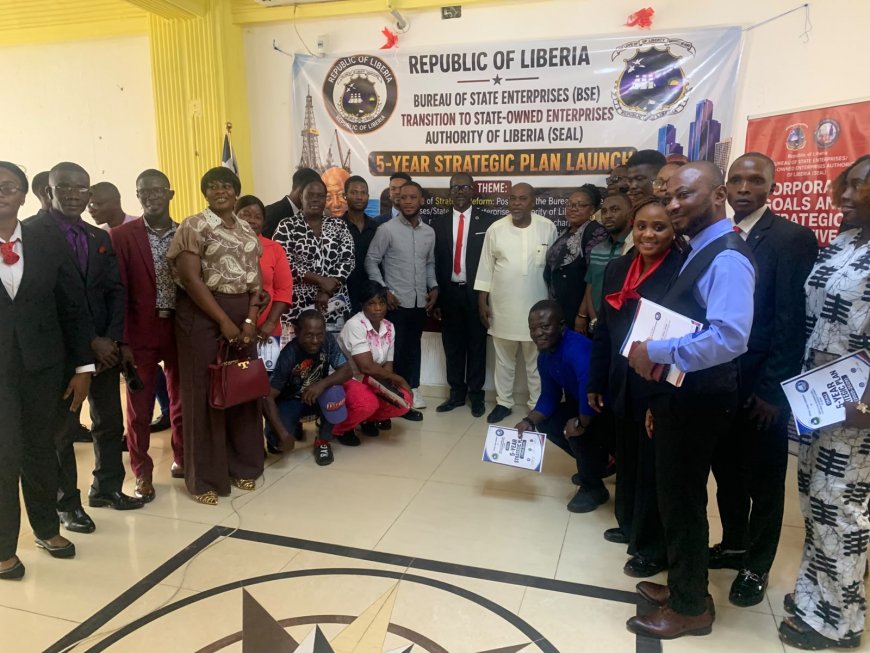
MONROVIA, LIBERIA — The Bureau of State Enterprises has officially transitioned into the State-Owned Enterprises Authority of Liberia (SEAL) as the government launches a five-year strategic plan aimed at tightening oversight, improving financial management and making state-owned enterprises more accountable and financially sustainable.
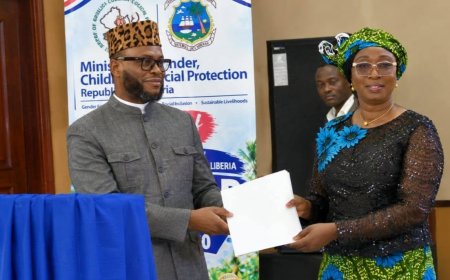
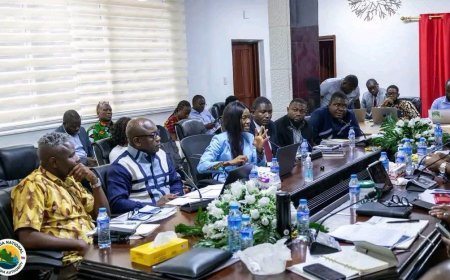
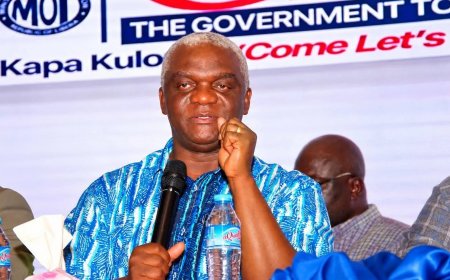
The transition and launch, held Thursday in Monrovia, mark a major institutional shift in Liberia’s management of state-owned enterprises. The plan, covering 2025 to 2029, seeks to replace fragmented and largely administrative supervision with a more professional, performance-driven system for monitoring SOEs and protecting public assets.
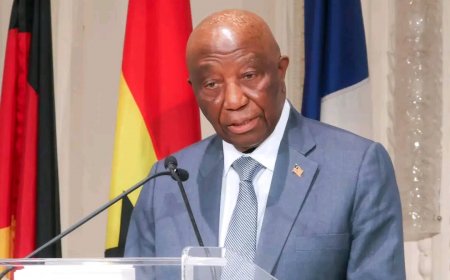
Speaking on behalf of the Ministry of Finance and Development Planning, Assistant Minister for Expenditure Dede Sandiman said SOEs are vital to Liberia’s economy because they provide essential services, create jobs, manage strategic national assets and generate government revenue.
He stressed, however, that public ownership must be accompanied by public accountability.
Assistant Minister Sandiman identified operational inefficiencies, weak financial management, accumulated liabilities and delays in financial reporting as major challenges facing some SOEs. He called for stronger corporate governance, clear performance targets, regular financial reporting and greater protection of public assets.
Presenting an overview of the strategic plan, Morris K. Dadoth, Chair of the Strategic Plan Technical Team, said the reform seeks to replace fragmented, largely administrative oversight with a more modern, professional and performance-driven system.
“We must move from the fragmented and largely administrative oversight toward a modern, professional, data-driven and performance-oriented SOE governance system,” Dadoth said.
He said the strategy will strengthen the institutional, legal, regulatory, technological and performance-management systems needed to make SOEs more accountable, efficient, transparent and financially sustainable.
A key component of the plan is the establishment of a State-Owned Enterprises Information System (SOEIS). The system will provide a central platform for collecting, managing, analyzing and reporting information on SOE performance.
Dadoth said it will give the government reliable data for performance monitoring, compliance tracking, fiscal analysis and policy decisions.
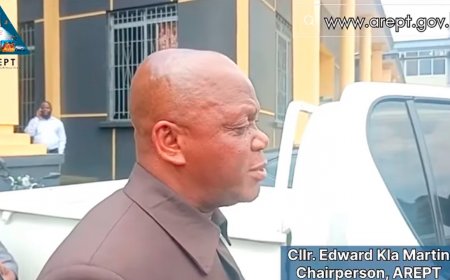
Meanwhile, BSE Director General Theodore Momo described the transition and strategic plan as a renewed commitment to reforming Liberia’s state-owned enterprises sector.
“This document is more than a roadmap. It is the declaration of our renewed institutional resolve and the blueprint for transforming the state-owned enterprise sector into the dynamic engine of economic growth and public value,” Momo said.
Momo said SOEs play a critical role in managing strategic national resources, providing essential public services, driving economic development and contributing to domestic revenue mobilization.
He added that the transition to the State-Owned Enterprises Authority will provide a stronger legal and institutional foundation for enforcing reforms and improving oversight across the sector.
The five-year plan prioritizes stronger institutional capacity, improved legal and regulatory frameworks, greater transparency and fiscal accountability, and increased contributions from SOEs to national revenue.
Momo called on government institutions, SOE boards and management, development partners, civil society, the private sector and the media to support implementation of the reform agenda.
The BSE says its long-term ambition is for Liberia’s state-owned enterprises to become better governed, more transparent, efficient and financially sustainable institutions capable of delivering greater public value to Liberians.
What's Your Reaction?
 Like
0
Like
0
 Dislike
0
Dislike
0
 Love
0
Love
0
 Funny
0
Funny
0
 Angry
0
Angry
0
 Sad
0
Sad
0
 Wow
0
Wow
0