






























ECOWAS Targets 300% Rise in Tobacco Tax Revenue, Moves to Curb Smoking

CONAKRY, Guinea — West African countries are considering tougher taxes on tobacco products as regional tax authorities seek to increase government revenue while reducing smoking and other health risks associated with tobacco use.
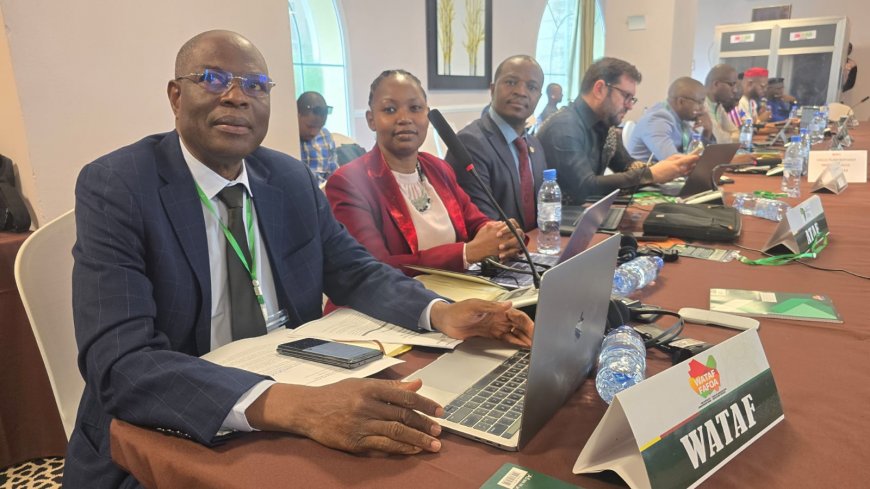
The discussions are taking place in Conakry, Guinea, where officials from ECOWAS Member States and regional and international institutions have gathered to review the bloc’s directive on excise duties on tobacco products.
The three-day meeting, running from August 10 to 12, is examining proposed changes to the existing framework, including higher minimum excise duties, broader coverage of tobacco and nicotine products, and stronger measures to combat illicit trade.
The West African Tax Administration Forum (WATAF) says taxation can play a dual role by discouraging the consumption of harmful products while providing governments with additional resources to fund public services.
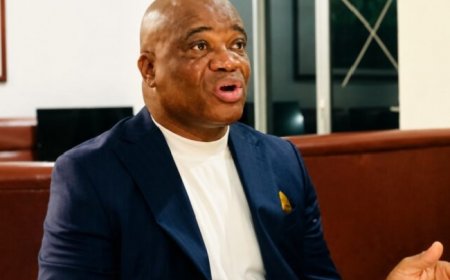
WATAF Executive Secretary Jules Tapsoba said tobacco taxation should be treated as an important public policy instrument, particularly because tax and customs administrations are central to enforcing measures designed to reduce tobacco consumption.
“Taxation is one of the instruments available to public authorities to influence the price and affordability of tobacco products,” Tapsoba said, adding that appropriate tax policies could help reduce tobacco consumption while increasing revenue for areas such as healthcare.
The proposed 2026 ECOWAS Directive is expected to replace the 2017 framework, which the ECOWAS Commission says had not been fully implemented by any Member State as of 2024.
According to a presentation by Darlingston Y. Talery, Acting Director of the Directorate of Customs Union and Taxation at the ECOWAS Commission, tobacco products remain considerably undertaxed across the region, limiting the potential revenue governments could generate while weakening public health efforts.
Under the proposed framework, the minimum specific excise duty on tobacco could rise progressively from US$0.80 per pack in the first phase to US$1.40 per pack by the third phase.
The proposed reforms would also require countries to apply a specific or mixed excise tax structure and introduce annual adjustments after the third phase, based on whichever is higher between five percent and inflation measured through the Consumer Price Index.
The revised framework would additionally cover newer nicotine products, including heated tobacco products and electronic nicotine delivery systems.
Regional authorities are also proposing stronger administrative measures to prevent tax evasion and curb the illicit tobacco trade, including improved tracking and tracing systems, better data management and enhanced audit and enforcement capacities.
The ECOWAS Commission projects that the reforms could increase tobacco tax revenues across the region by about 300 percent compared with the 2024 baseline.
The proposed measures also aim to reduce smoking prevalence by more than 30 percent, cut cigarette sales volumes by 20 percent and lower smoking among people under 25 by half.
Tapsoba said the projections demonstrate why revenue generation and public health should be pursued together rather than treated as competing priorities.
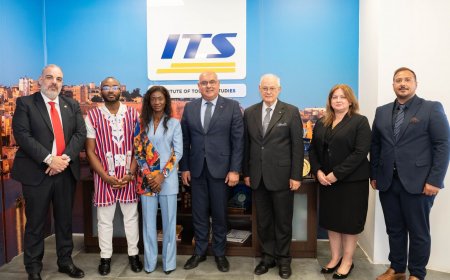
The Conakry meeting has brought together tax policy and administration officials from ECOWAS Member States, alongside representatives of the ECOWAS and UEMOA Commissions, the World Health Organization, World Bank, African Tax Administration Forum and WATAF.
Opening speakers called for stronger regional coordination to address tobacco-related health risks, improve tax compliance and prevent illicit trade, particularly across West Africa’s borders.
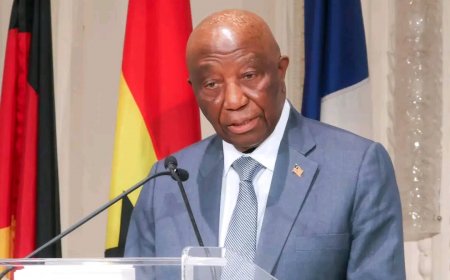
Guinea’s Minister of Economy and Finance also addressed the gathering, highlighting the importance of excise taxation as both a revenue-generating measure and a public health tool.
The current discussions build on previous regional efforts to strengthen tobacco taxation. WATAF participated in a 2023 regional meeting on tobacco taxation and illicit trade in Accra and later contributed to the validation of a tobacco excise tax simulation study in Abuja in 2025.
The Conakry meeting is expected to produce recommendations for a regional action plan and a communiqué to guide ECOWAS Member States and regional institutions as they work toward a revised framework for tobacco excise taxation.
Beyond the tax rates, participants are expected to consider how countries can harmonise their systems, strengthen border controls, improve tax administration and ensure that higher tobacco duties do not create additional opportunities for illicit trade.
What's Your Reaction?
 Like
0
Like
0
 Dislike
0
Dislike
0
 Love
0
Love
0
 Funny
0
Funny
0
 Angry
0
Angry
0
 Sad
0
Sad
0
 Wow
0
Wow
0