

























House Summons Key Ministers as Lawmakers Question Liberia’s Failure to Maximize AGOA Benefits
Growing concerns over Liberia’s slow pace in economic growth, deepening unemployment and limited participation in international trade opportunities have prompted the House of Representatives to summon senior officials of the Ministries of Finance and Foreign Affairs to explain how the country intends to leverage the African Growth and Opportunity Act (AGOA) to stimulate economic development. The decision followed a communication from Montserrado County District #16 Representative Dixon Wlawlee Seboe, on Thursday, who challenged policymakers to confront what he described as the contradiction between Liberia’s vast natural wealth and the continued economic hardships facing many citizens.

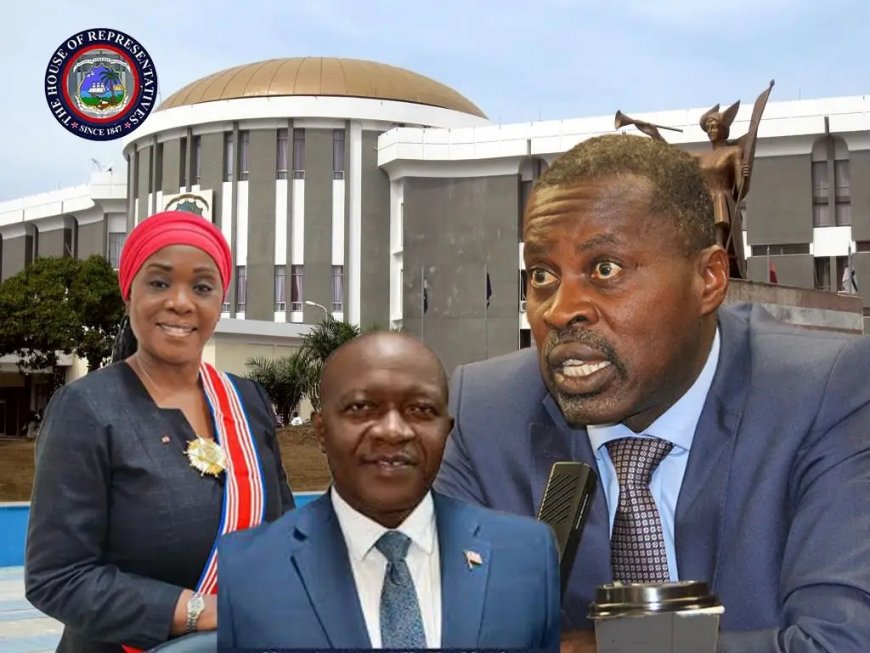
Monrovia, Liberia: Growing concerns over Liberia’s slow pace in economic growth, deepening unemployment and limited participation in international trade opportunities have prompted the House of Representatives to summon senior officials of the Ministries of Finance and Foreign Affairs to explain how the country intends to leverage the African Growth and Opportunity Act (AGOA) to stimulate economic development.
The decision followed a communication from Montserrado County District #16 Representative Dixon Wlawlee Seboe, on Thursday, who challenged policymakers to confront what he described as the contradiction between Liberia’s vast natural wealth and the continued economic hardships facing many citizens.
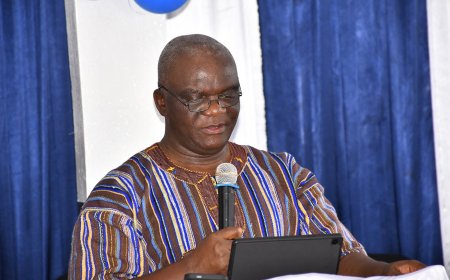
In his communication to House Speaker Richard N. Koon, Seboe argued that despite being endowed with significant natural resources, Liberia continues to struggle with poverty, unemployment and weak revenue generation, raising questions about whether available economic opportunities are being fully utilized.
"We cannot continue to be a country blessed with enormous natural resources while our people remain trapped in poverty and unemployment," Seboe emphasized, urging lawmakers to focus on long-term economic solutions rather than short-term political interests.
A central focus of the lawmaker's proposal is Liberia's participation in AGOA, a United States trade initiative that grants eligible African countries duty-free access to the American market for thousands of products. Seboe argued that Liberia has yet to fully exploit the opportunities offered under the program to boost exports, attract investors and create jobs.
"The opportunities available through AGOA remain largely untapped, and we must begin asking serious questions about what is preventing Liberia from taking full advantage of this market access," the lawmaker noted in his communication.
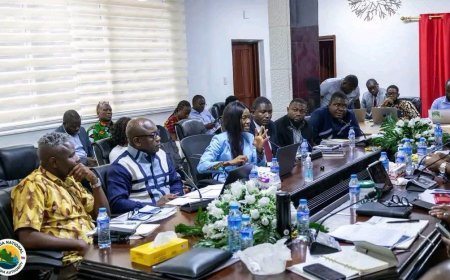
Following discussions, members of the House agreed to invite officials from both ministries to provide detailed briefings on the government's current strategy for expanding exports, increasing foreign investment and improving Liberia's competitiveness in regional and global markets.
Lawmakers are expected to seek answers on what policy reforms, infrastructure improvements and trade initiatives are needed to position Liberian businesses to benefit from AGOA and other international trade arrangements. The hearing is also expected to examine barriers that have hindered the country's ability to diversify its economy beyond traditional exports.
Seboe further urged the government to assemble the country's most experienced economic, financial and trade experts to develop practical strategies capable of transforming Liberia's economy and generating sustainable growth for future generations.
"Our children and grandchildren will judge us not by the speeches we make today, but by the decisions we take to improve the lives of our people," Seboe said. "Economic transformation must become a national priority that rises above politics and serves the collective interest of all Liberians."
The Ministries of Finance and Foreign Affairs are expected to appear before the relevant House committee next Tuesday, where lawmakers hope to gain clearer insight into the government's plans for maximizing AGOA benefits and unlocking new avenues for economic growth and job creation.
What's Your Reaction?
 Like
0
Like
0
 Dislike
0
Dislike
0
 Love
0
Love
0
 Funny
0
Funny
0
 Angry
0
Angry
0
 Sad
0
Sad
0
 Wow
0
Wow
0