



















“James Monroe Was a Slave Owner”: Rep. Enders Pushes to Rename Liberia’s Capital Christopolis

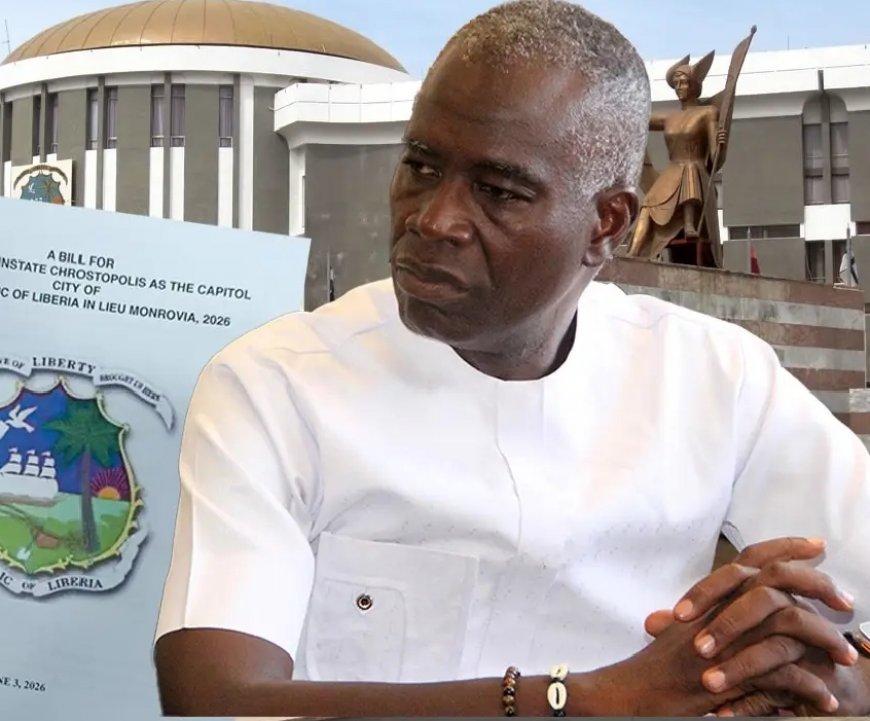
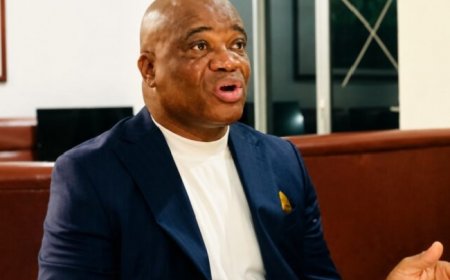
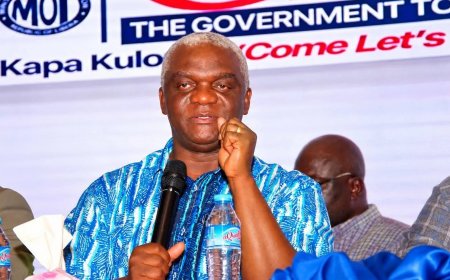
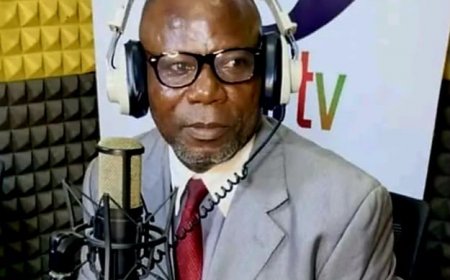
Capitol Hill, Liberia:A proposal by Montserrado County District #6 Representative Rev. Samuel R. Enders to rename Liberia’s capital city from Monrovia to Christopolis is stirring debate over the country’s history, identity, and relationship with symbols linked to the era of slavery.
Representative Enders has begun seeking support from fellow lawmakers for a bill titled “An Act to Re-Instate Christopolis as the Capital City of the Republic of Liberia in Lieu of Monrovia, 2026.”
In a communication addressed to the Speaker, Deputy Speaker, and members of the 55th Legislature, the lawmaker described the initiative as an effort to reconnect Liberia with what he considers its original identity and historical roots.
At the center of the proposal is the legacy of James Monroe, the fifth President of the United States, after whom Monrovia was named.
Historical records show that Monroe was a slave owner who held enslaved people throughout much of his life. The Liberian capital was named in his honor in recognition of his support for the colonization movement that led to the settlement of freed Black Americans in what later became Liberia.
Enders argues that maintaining the name Monrovia contradicts the values of a nation founded as a homeland for formerly enslaved people. He contends that Africa’s first independent Black republic should not have its capital city named after a figure associated with slavery, regardless of his role in the history of Liberia’s founding.
“The renaming of Monrovia to Christopolis is more than a symbolic act; it is a statement of freedom from mental and emotional slavery and a reaffirmation of our national identity,” the lawmaker stated in his communication to the Legislature.
According to Enders, Christopolis was the earlier name of the settlement before it became Monrovia. He believes restoring the name would help strengthen historical consciousness and promote a national identity rooted in dignity, self-determination, and liberation rather than colonial-era influences.
Historically, Monrovia was established in the early nineteenth century as part of efforts by the American Colonization Society to resettle freed African Americans in West Africa. The city was later named after Monroe, who supported the colonization project. While some historians view the colonization movement as an avenue for Black resettlement, others have criticized it as being intertwined with the racial politics and slaveholding culture of the period.
The proposal has already generated public discussion, with supporters viewing it as an opportunity to reassess national symbols and reclaim historical narratives. Critics, however, are expected to question the historical basis of the proposed change, as well as the financial, administrative, and diplomatic implications of renaming the nation’s capital city.
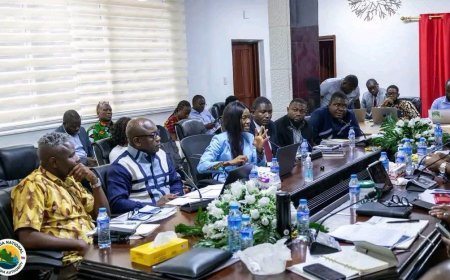
The bill is expected to undergo the normal legislative process, including committee review, stakeholder consultations, and debate on the floors of the Legislature. If enacted, it would mark one of the most significant symbolic changes in Liberia’s modern history and could reignite broader conversations about the country’s founding legacy and national identity.
What's Your Reaction?
 Like
5
Like
5
 Dislike
0
Dislike
0
 Love
5
Love
5
 Funny
0
Funny
0
 Angry
0
Angry
0
 Sad
0
Sad
0
 Wow
1
Wow
1