













Who Is Hiding Liberia's Money? House Moves to Crack Down on Government Agencies Accused of Ignoring Financial Reporting Law

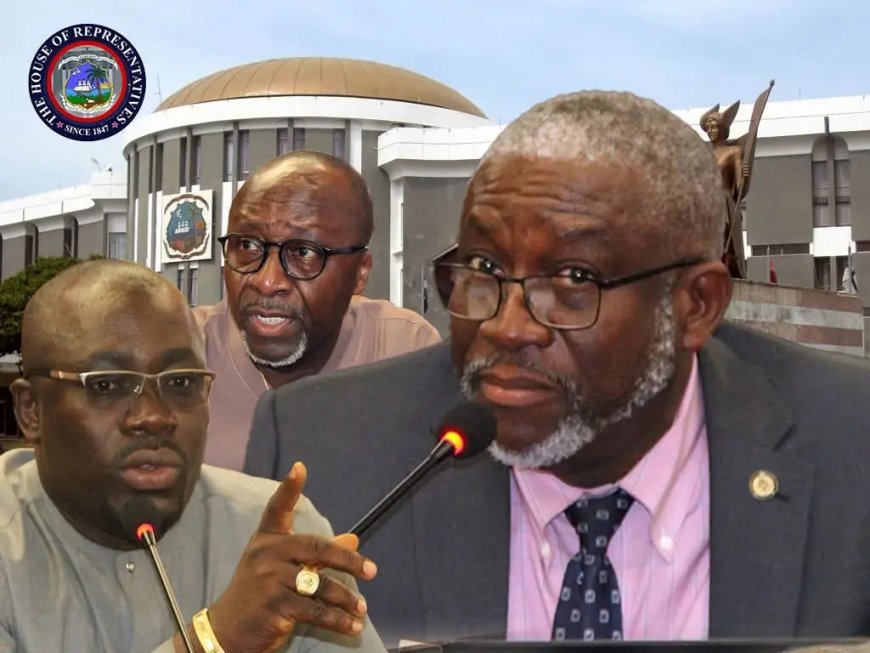
Monrovia, Liberia:Are government institutions deliberately keeping lawmakers and the public in the dark about how taxpayers' money is being spent? That question has resurfaced after the House of Representatives launched a crackdown on ministries, agencies and state-owned institutions accused of repeatedly ignoring legal requirements to disclose their financial performance.
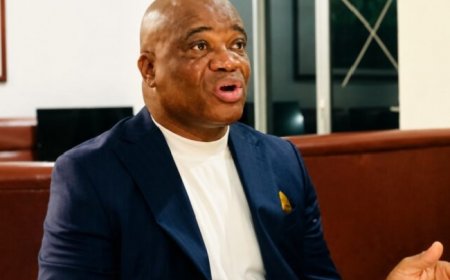
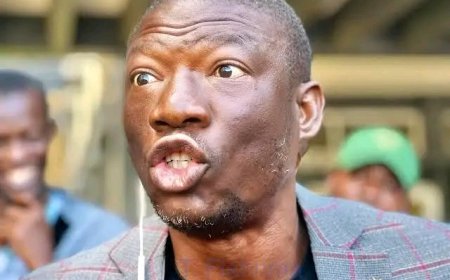
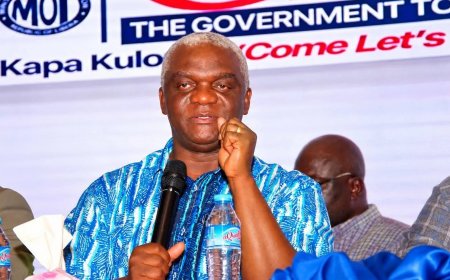
The action followed a communication from Montserrado County District #12 Representative Jerry Yogboh, who warned that persistent failures by several government institutions to submit mandatory quarterly financial reports are weakening accountability and frustrating the Legislature's constitutional oversight responsibilities.
"The law is clear, yet many institutions continue to ignore it," Representative Yogboh stated. "When reports are not submitted, transparency suffers, oversight becomes ineffective and public confidence in government continues to decline."
According to the lawmaker, the Public Financial Management (PFM) Act requires the Ministry of Finance and Development Planning to submit consolidated quarterly fiscal and budget execution reports to the Legislature within 45 days after the end of every fiscal quarter. Those reports depend on timely submissions from ministries, commissions, public corporations and other revenue-generating institutions.
Yogboh, however, said many institutions either submit their reports long after the deadline or fail to submit them altogether. He further argued that even when reports are produced, they are often not circulated to members of the House, leaving lawmakers unable to properly scrutinize how public funds are being managed.
"This is not merely an administrative lapse," the communication noted. "It undermines transparency, weakens legislative oversight, delays corrective action and erodes public trust in government."
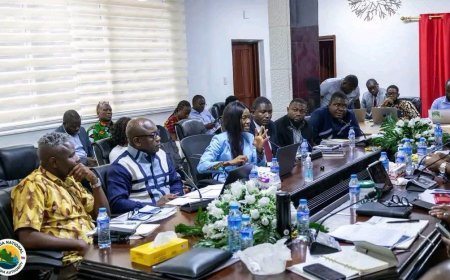
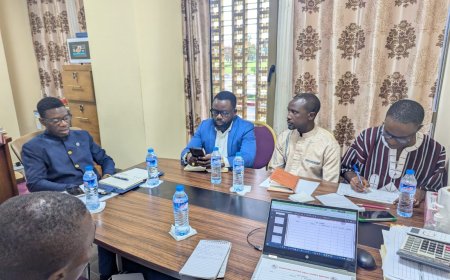
Following deliberations, Plenary mandated its Committees on Ways, Means, Finance and Budget, and Public Accounts and Expenditure to investigate the alleged non-compliance, engage the relevant institutions and return within 30 days with findings and recommendations.
The proposal also calls for tougher enforcement of the law, including possible sanctions against institutions and officials who repeatedly refuse to comply with quarterly reporting requirements.
Lawmakers believe that without consequences for violations, financial accountability will remain more of a legal promise than a government practice.
The latest move is expected to fuel debate over whether Liberia's public financial management system is being undermined by weak enforcement or deliberate secrecy.
As the House begins its review, many Liberians will be watching to see whether the investigation produces real accountability or whether another report exposing financial reporting failures will end without action against those responsible.
What's Your Reaction?
 Like
0
Like
0
 Dislike
0
Dislike
0
 Love
0
Love
0
 Funny
0
Funny
0
 Angry
0
Angry
0
 Sad
0
Sad
0
 Wow
0
Wow
0