










Borrowing to Survive? House Begins Review of New Loans as Liberia's Debt Debate Returns

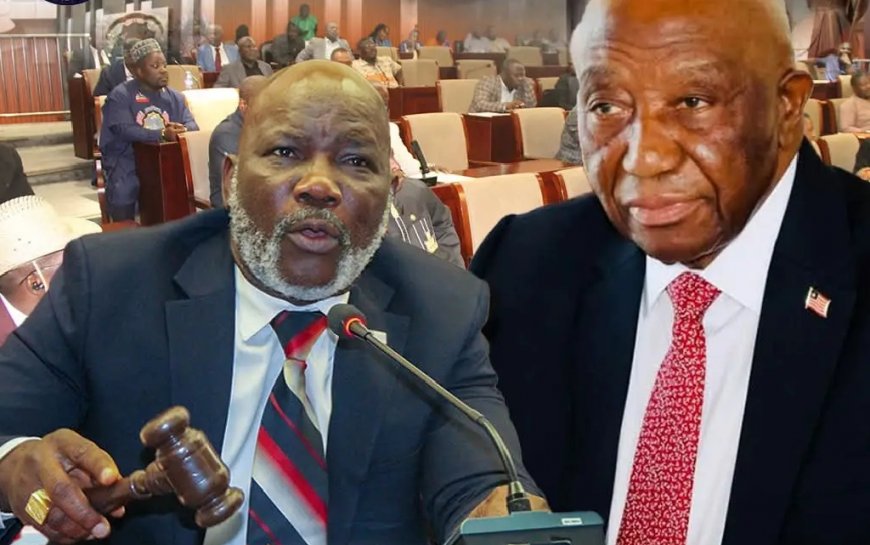
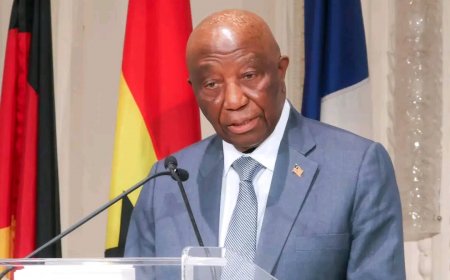
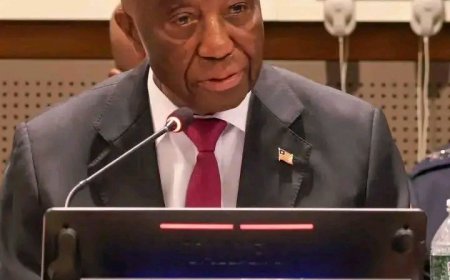
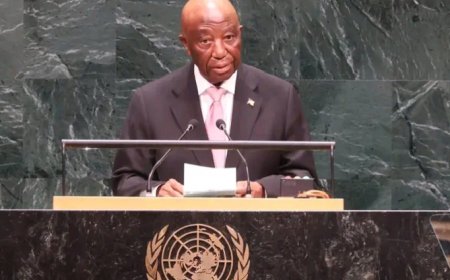
Monrovia, Liberia:Is Liberia borrowing its way toward development or deeper debt? That question is expected to dominate public debate after the House of Representatives began reviewing two new loan agreements sought by President Joseph Nyuma Boakai to finance part of the country's 2026 national budget deficit, adding to concerns over the nation's growing dependence on external borrowing.
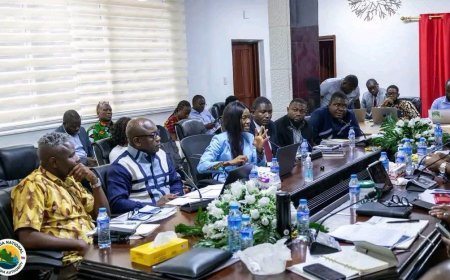
The decision followed separate communications from President Boakai during Tuesday's sitting of the House, requesting legislative ratification of the agreements. Plenary subsequently mandated its Joint Committee on Ways, Means and Finance and Judiciary to scrutinize the proposals and report before July 17, paving the way for possible ratification.
"These financing arrangements are critical to supporting Liberia's budget and advancing key development priorities," President Boakai stated in his communication, urging lawmakers to expedite consideration of the agreements.
One of the proposed facilities is the Fiscal Sustainability and Mining Sector Governance Support Programme, backed by the African Development Fund and the African Development Bank through the Transition Support Facility. The administration argues that the financing will strengthen fiscal sustainability, improve governance in the mining sector, promote gender inclusion and enhance climate resilience.
Under the proposal, Liberia will receive a loan of 12.11 million Units of Account, with 10.18 million Units of Account coming from the African Development Fund and 1.93 million Units of Account from the Transition Support Facility. The agreement also includes a 0.75 percent annual commitment charge on undisbursed funds after a specified period.
In a separate request, President Boakai also submitted the Liberia Second Resilient and Inclusive Growth Development Policy Financing agreement with the International Development Association, under which Liberia is expected to receive US$55.8 million to support fiscal reforms, private sector growth and disaster resilience. The credit carries a 0.5 percent annual commitment charge on unwithdrawn balances.
While the government insists the loans are necessary to bridge the 2026 budget deficit and sustain development, the request is already raising questions about whether Liberia is becoming increasingly reliant on borrowing to fund basic government operations instead of expanding domestic revenue and reducing public spending.
"The Legislature must carefully examine whether these loans will generate measurable economic returns or simply increase the financial burden on future generations," economic observers have repeatedly argued in debates over Liberia's public borrowing, reflecting a concern that has resurfaced with nearly every major financing request.
The House committees are expected to determine whether the proposed agreements represent sound investments or another step toward higher public debt. Their recommendations could ignite a broader national conversation over how Liberia should finance development, with critics likely to ask whether continuous borrowing is a sustainable economic strategy or a warning sign of deeper fiscal challenges.
What's Your Reaction?
 Like
0
Like
0
 Dislike
0
Dislike
0
 Love
0
Love
0
 Funny
0
Funny
0
 Angry
0
Angry
0
 Sad
0
Sad
0
 Wow
0
Wow
0