



Liberia’s Journey from War to Peace Positions the Country as Global Voice for Peacebuilding

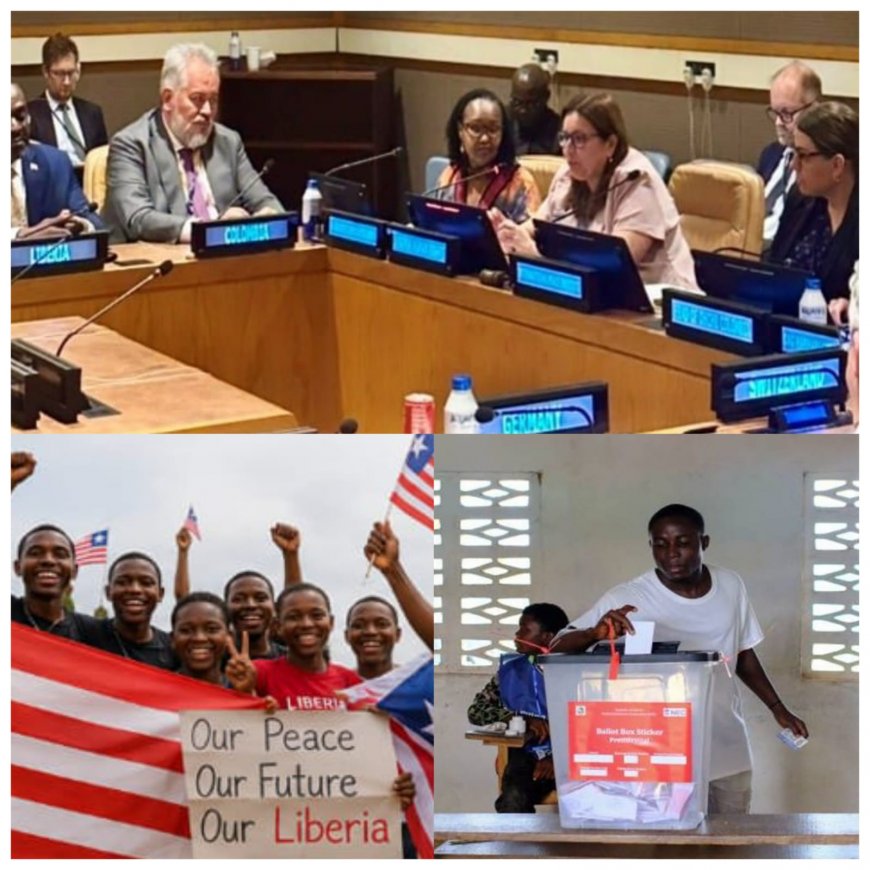
More than two decades after emerging from devastating civil wars, Liberia is being recognized internationally as a powerful example of how sustained investment in peacebuilding can transform a nation from conflict and instability into a resilient democracy and a contributor to global peace and security.
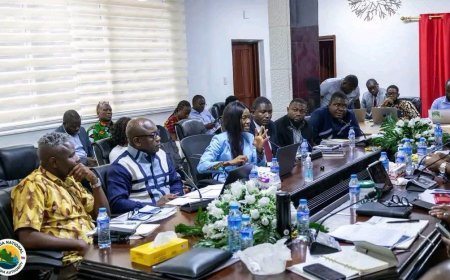
The recognition comes as the United Nations marks the 20th anniversary of the establishment of the Peacebuilding Commission (PBC) and the Secretary-General’s Peacebuilding Fund (PBF), highlighting Liberia’s transition from a country once dependent on international peacekeeping support to a nation now helping shape global peace and security discussions.
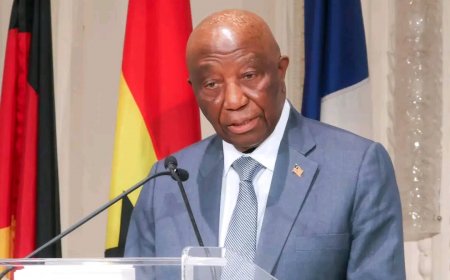
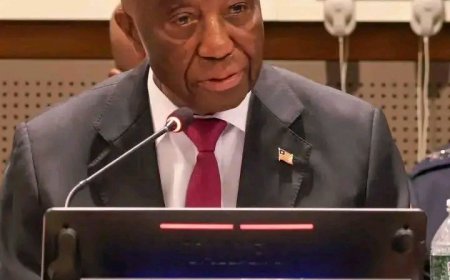
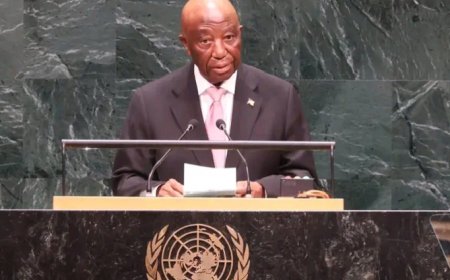
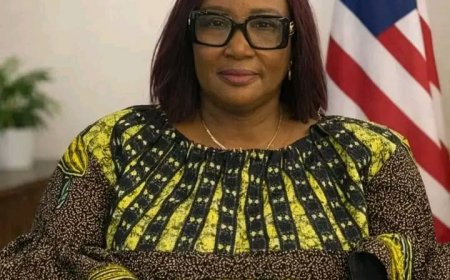
President Joseph Nyuma Boakai, in a statement delivered on his behalf by Foreign Minister Sara Beysolow Nyanti during the Peacebuilding Commission Annual Session at the UN General Assembly Hall on June 25, 2026, said Liberia’s experience demonstrates that peace is not something that can simply be maintained, but must continuously be nurtured.
“Peace is not simply kept; it must be nurtured. Liberia’s journey from conflict to more than two decades of sustained peace has taught us that inclusion, justice, and resilience are indispensable prerequisites for security and prosperity,” President Boakai said.
The President emphasized that lasting peace must be built from within, noting that while international partners can provide support, the responsibility for sustaining peace rests with citizens and national institutions.
“No outside actor can build peace inside a country on its behalf,” he stated.
Liberia’s transformation follows a painful history marked by two civil wars between 1989 and 2003, conflicts that claimed more than 250,000 lives, destroyed communities, and weakened national institutions.
The signing of the Comprehensive Peace Agreement in Accra, Ghana, in 2003 opened the door for recovery, supported by the United Nations Mission in Liberia (UNMIL), which remained in the country until 2018.
However, experts say Liberia’s peace has endured not only because of peacekeeping interventions but because of national ownership, democratic reforms, institutional rebuilding, and efforts to address the root causes of conflict.
Over the past decade, Liberia has recorded major democratic achievements, including peaceful presidential elections in 2017 and 2023, followed by orderly transfers of power. These developments have strengthened Liberia’s reputation as a country capable of sustaining democracy after conflict.
United Nations Resident Coordinator in Liberia, Christine N. Umutoni, said Liberia’s peacebuilding process has been anchored on human rights, national ownership, and institution building.
“Sustainable peace cannot be outsourced. Partners can offer peacekeeping and short-term stabilization; however, human rights must be engraved in the peacebuilding national architecture for peace to be long lasting,” Umutoni said.
Peacebuilding Commission’s Role in Liberia’s Recovery
Since Liberia was placed on the agenda of the UN Peacebuilding Commission in 2010, the Commission has provided sustained political support and advocacy aimed at strengthening peace and development.
The Liberia configuration of the Peacebuilding Commission, chaired by Sweden since 2012, has focused on priorities including reconciliation, social cohesion, gender equality, human rights, and inclusive governance.
Through high-level engagements and partnerships, the Commission has helped maintain international attention on Liberia’s progress and supported the country during critical periods, including elections and the transition following the withdrawal of UNMIL.
Peacebuilding Fund Invests Millions in Liberia
Complementing the political support of the Peacebuilding Commission, the United Nations Peacebuilding Fund has provided more than US$100 million to Liberia since 2007, with approximately US$20.8 million currently supporting ongoing programs.
The funding has supported initiatives aimed at preventing conflict and strengthening national resilience, including peaceful elections, women’s empowerment, youth engagement, land conflict resolution, human rights promotion, and strengthening trust between citizens and government.
With more than 70 percent of Liberia’s population under the age of 35, youth inclusion remains a critical component of maintaining peace.
Programs supported by the Peacebuilding Fund have also contributed to early-warning systems, community monitoring, and mechanisms designed to reduce election-related tensions and strengthen confidence in democratic processes.
Liberia’s Rise to Global Peace Leadership
Liberia’s election to the United Nations Security Council for the 2026–2027 term marks a historic shift in the country’s global role.
After receiving 181 votes out of 187 votes in the UN General Assembly election held on June 3, 2025, Liberia returned to the Security Council after more than six decades.
The achievement represents a significant transformation—from a country once receiving international attention because of conflict to one now participating in decisions affecting global peace and security.
Liberia’s leaders say the country’s experience with war, recovery, and reconciliation provides valuable lessons for other nations facing conflict and instability.
Challenges Remain Despite Progress
Despite its achievements, Liberia’s peacebuilding journey remains incomplete.
Challenges such as youth unemployment, economic hardship, gender-based violence, unresolved land disputes, and border concerns continue to test the country’s resilience.
Stakeholders say these challenges demonstrate that peace is not a one-time achievement but a continuous process requiring commitment from government, citizens, and international partners.
As the United Nations celebrates two decades of its peacebuilding architecture, Liberia’s story serves as a reminder that countries affected by conflict can rebuild, strengthen democratic institutions, and emerge as voices for peace on the world stage.
From a nation once known for war, Liberia is now presenting a different story—one of recovery, resilience, and leadership in global peacebuilding.
What's Your Reaction?
 Like
0
Like
0
 Dislike
0
Dislike
0
 Love
0
Love
0
 Funny
0
Funny
0
 Angry
0
Angry
0
 Sad
0
Sad
0
 Wow
0
Wow
0