




































Liberia Earns Regional Praise for Tobacco Taxation Progress


CONAKRY, Guinea — Liberia has been recognized as one of the leading examples of progress in tobacco taxation in West Africa, with regional experts praising the country’s use of excise policy to promote public health while strengthening domestic revenue mobilization.
The recognition came during the Regional Technical Meeting on the Review of the ECOWAS Directive on the Harmonization of Excise Duties on Tobacco Products, being held in Conakry, Guinea, from August 10 to 12.
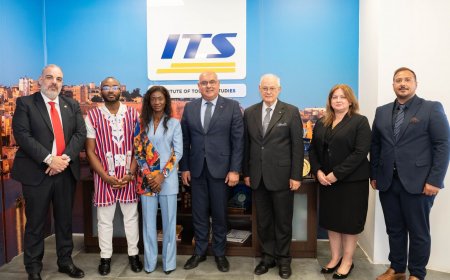
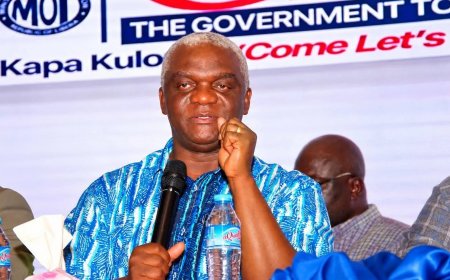
Liberia’s position was highlighted following a presentation by Robert Quaye Dwuye Jr., Director of the Indirect Tax Unit at the Ministry of Finance and Development Planning.
Dwuye outlined Liberia’s tobacco excise tax structure, which participants described as a strong example of how taxation can be used to discourage tobacco consumption while generating additional government revenue.
According to the presentation, Liberia applies a specific excise tax of US$0.40 per pack of cigarettes, in addition to an ad valorem tax rate of more than 25 percent.
The country also applies an excise tax of US$0.25 per stick on other tobacco products.
Other rates include US$25 per kilogram for manufactured tobacco and substitutes, US$25 per kilogram for products containing tobacco, reconstituted tobacco and nicotine without combustion, and US$0.10 per milliliter for e-cigarettes presented with vaping liquid.
The structure combines specific and ad valorem taxation, allowing Liberia to tax tobacco products based on both quantity and value.
Delegates at the meeting commended Liberia’s progress, with the ECOWAS Commission noting that Liberia and The Gambia were among countries showing partial compliance with the regional tobacco excise framework.
The Commission also reported that, as of 2024, no ECOWAS Member State had fully implemented the 2017 Directive on the harmonization of excise duties on tobacco products.
The recognition comes as ECOWAS works to strengthen and modernize its regional tobacco taxation framework.
The meeting, supported by the World Health Organization, the World Bank and the ECOWAS Commission, has brought together tax policy officials and technical experts from across West Africa to review implementation of the existing directive and develop recommendations for future reforms.
The proposed reforms are expected to significantly increase tobacco tax revenues across the region while reducing tobacco consumption.
A presentation by the ECOWAS Commission projected that the reforms could increase regional tobacco tax revenues by 300 percent compared with the 2024 baseline.
The proposals also target a reduction of more than 30 percent in smoking prevalence, a 20 percent decline in cigarette sales volumes and an excise tax burden equivalent to 70 percent of the retail price of cigarettes.
The reforms further seek to cut smoking among people under the age of 25 by 50 percent.
Meanwhile, Nigeria has proposed that ECOWAS Member States demonstrating strong implementation of regional excise tax directives should be considered for incentives.
The proposal is intended to encourage countries to strengthen compliance and improve the implementation of regional tax standards.
The three-day Conakry meeting is also examining challenges to harmonizing tobacco excise systems, including illicit trade, tax administration, tracking and tracing mechanisms, data management, audit capacity and technical assistance.
Participants are expected to conclude the meeting with priority recommendations and a communiqué to guide ECOWAS Member States and regional institutions in modernizing the framework governing tobacco excise duties.
For Liberia, the regional recognition highlights the country’s growing role in using fiscal policy to advance both public health and domestic revenue objectives.
The discussions also reinforce the importance of stronger tobacco taxation as West African countries seek to reduce tobacco use while expanding sustainable sources of government revenue.
What's Your Reaction?
 Like
0
Like
0
 Dislike
0
Dislike
0
 Love
0
Love
0
 Funny
0
Funny
0
 Angry
0
Angry
0
 Sad
0
Sad
0
 Wow
0
Wow
0