













“Stop Shifting the Burden of Proof” — Kalasco Challenges Police IG Over Cocaine Cartel Claims

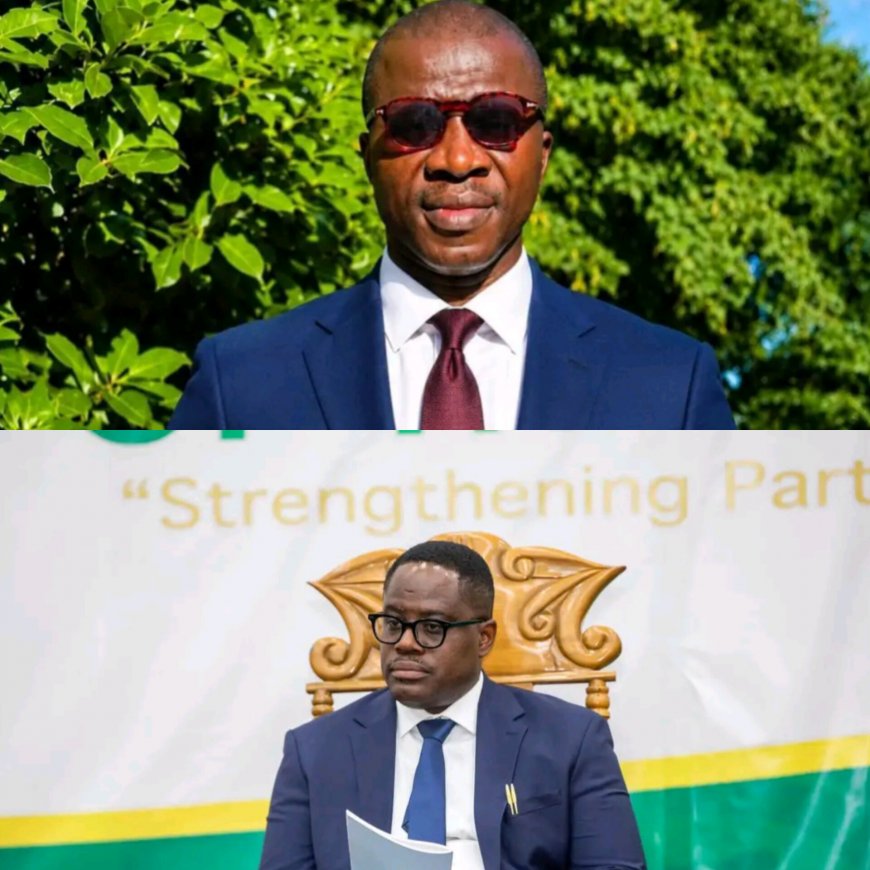
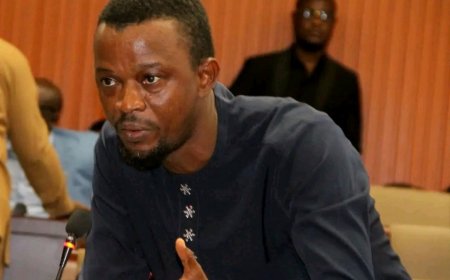
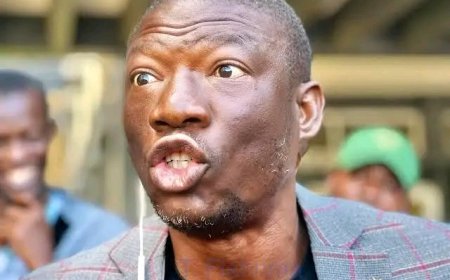
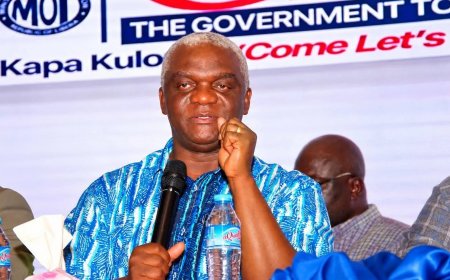
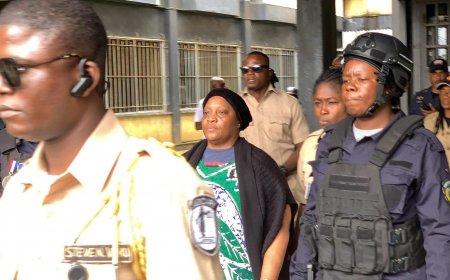
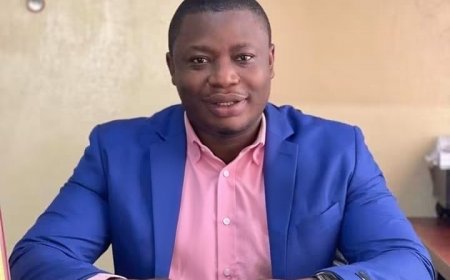
MONROVIA, Liberia — Former President George Weah’s aide, Hon. Sekou Kalasco Damaro, has launched a strong challenge against Inspector General of Police Gregory O.W. Coleman, accusing the police chief of shifting the burden of proof onto critics instead of accounting for allegations he publicly made in connection with Liberia’s ongoing cocaine controversy.
Kalasco argues that the demand for Gbarpolu County Senator Amara Konneh to produce evidence is misplaced, particularly because, according to him, it was Inspector General Coleman who publicly alleged that certain media practitioners had received money from a drug cartel and that senior government officials were allegedly linked to the criminal network.
“You cannot make serious allegations against journalists and senior government officials and then turn around and demand that those you accused prove your allegations for you,” Kalasco said. “The person making the allegation must be prepared to provide the evidence.”
The former presidential aide said allegations involving an alleged drug cartel, members of the media and senior government officials are too serious to be treated as political exchanges or public accusations without credible evidence. He maintained that the Police IG should present whatever information led him to make the claims so that competent state institutions can independently establish the facts.
“If the Police Inspector General says journalists received money from a drug cartel and that senior government officials were connected to that cartel, then Liberians deserve to know what evidence supports those statements,” Kalasco argued. “This is not about silencing Senator Konneh or anyone else. It is about accountability and the truth.”
Kalasco further called for Inspector General Coleman to step aside or be suspended while an independent investigation into the broader cocaine controversy is conducted. He said removing the police chief from direct involvement would help protect the credibility of any investigation and prevent questions about conflicts of interest or institutional influence.
“Nobody should be afraid to ask questions when the allegations involve national security, drugs and powerful people,” Kalasco said. “Critical voices cannot be silenced through intimidation, pressure or by shifting the responsibility for proving allegations to the people demanding answers.”
He stressed that the cocaine controversy has raised serious public-interest questions that require transparency, credible evidence and an impartial investigation rather than competing accusations. Kalasco urged authorities to focus on establishing the facts, identifying anyone responsible for wrongdoing and ensuring that no individual—regardless of position or political affiliation—is shielded from accountability.
What's Your Reaction?
 Like
1
Like
1
 Dislike
0
Dislike
0
 Love
0
Love
0
 Funny
1
Funny
1
 Angry
0
Angry
0
 Sad
0
Sad
0
 Wow
1
Wow
1