







LDEA: More Than 200 Drug Ghettos Dismantled Nationwide Since Boakai Administration Took Office
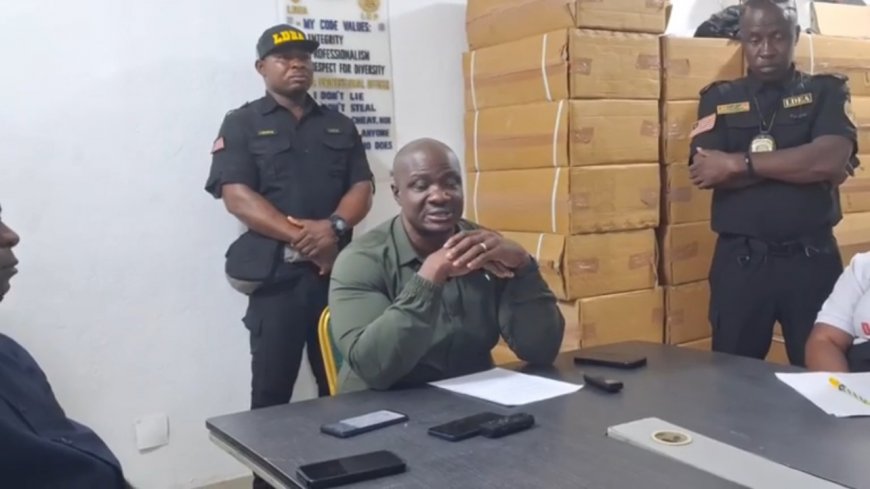
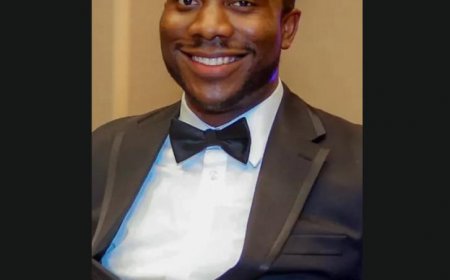
MONROVIA, LIBERIA: The Deputy Officer-in-Charge (OIC) of the Liberia Drug Enforcement Agency (LDEA), Ernest Tarpeh, says the agency has made significant progress in dismantling drug ghettos across the country, claiming that no visible drug ghetto currently exists in Monrovia and its surrounding areas.
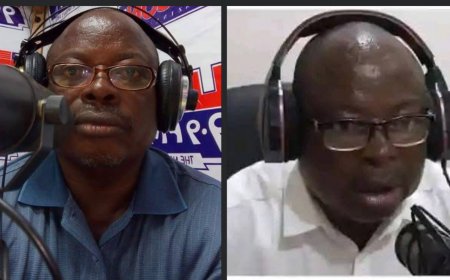
Speaking on the Punch Breakfast Show, Tarpeh attributed the development to intensified enforcement efforts and support from President Joseph Nyuma Boakai’s administration.
“There is no visible ghetto in Monrovia and parts adjacent. This is the progress we’ve made since our appointment. If a ghetto is in Monrovia, then the person is selling in their room,” Tarpeh stated.
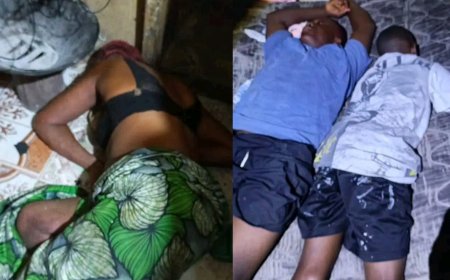
The LDEA official said the agency inherited a serious drug challenge when the current leadership assumed office, noting that more than 200 identified drug ghettos were operating across Liberia at the time.
According to him, sustained operations by the agency have led to the closure and dismantling of a substantial number of those locations.
“We had more than 200 ghettos across the country when we took over. With the support of the President, we’ve dissolved those ghettos substantially,” he added.
Tarpeh’s comments come amid ongoing national concerns about drug abuse, particularly among young people, and the impact of narcotics on communities throughout Liberia. Successive governments have faced growing pressure from citizens, religious groups, and civil society organizations to address the proliferation of drugs and the emergence of so-called “drug ghettos” in urban and rural communities.
While the LDEA maintains that significant progress has been made, concerns remain among some residents and observers who argue that drug trafficking and substance abuse continue to pose serious challenges, despite recent enforcement actions.
The agency has in recent months conducted several anti-drug operations, arrests, and awareness campaigns aimed at reducing the availability and consumption of illegal substances nationwide.
Tarpeh said the agency remains committed to sustaining the fight against narcotics and ensuring that communities previously known for drug-related activities do not return to their former status.
Background
Drug ghettos became a major national concern in Liberia over the last decade as the use of substances such as marijuana, cocaine, heroin, and particularly the synthetic drug known locally as “kush” spread among young people.
In response to the growing crisis, President Joseph Nyuma Boakai declared drug abuse a national public health and security concern, while the Liberia Drug Enforcement Agency intensified enforcement operations targeting drug distribution networks and known ghettos across the country.
The LDEA has repeatedly stated that dismantling drug ghettos is part of a broader strategy that includes arrests, rehabilitation efforts, public awareness campaigns, and cooperation with local communities to prevent the re-establishment of drug hotspots.
What's Your Reaction?
 Like
0
Like
0
 Dislike
0
Dislike
0
 Love
2
Love
2
 Funny
0
Funny
0
 Angry
0
Angry
0
 Sad
0
Sad
0
 Wow
1
Wow
1