




LIBERIA IS NOT A POLICE STATE: Bility Tells Police IG to Investigate Drug Cartel, Not Senator Konneh

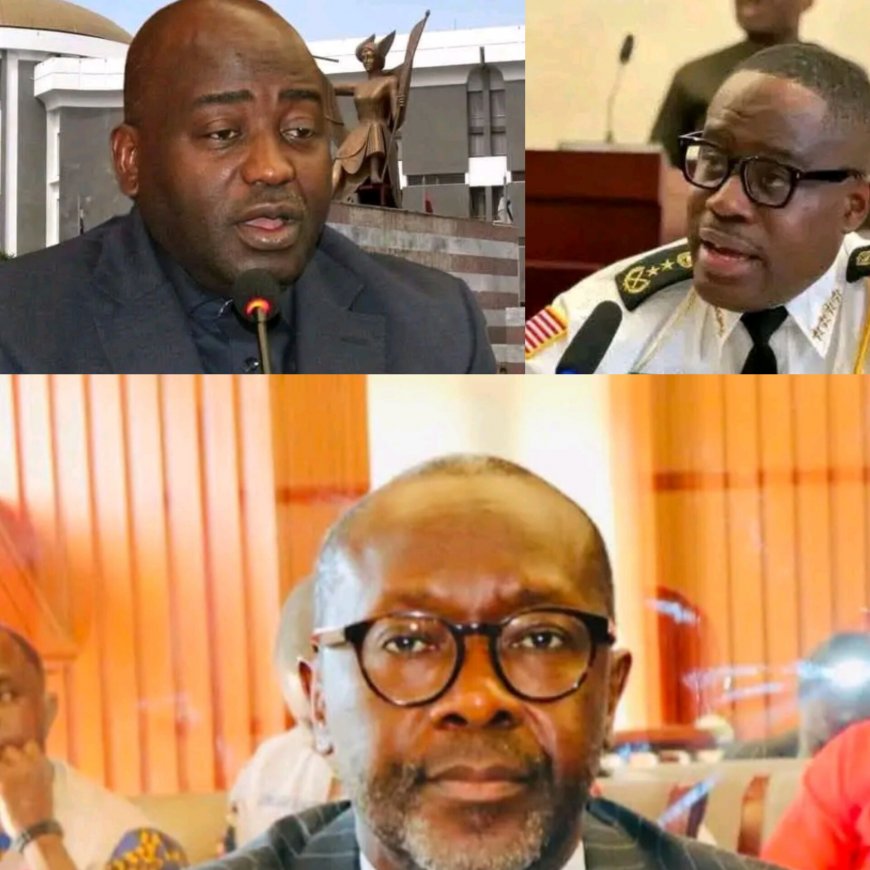
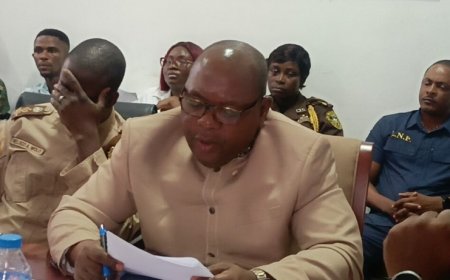
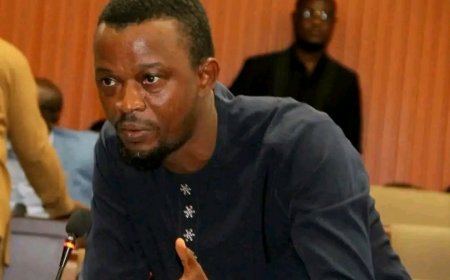
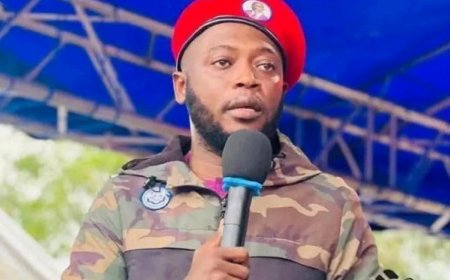
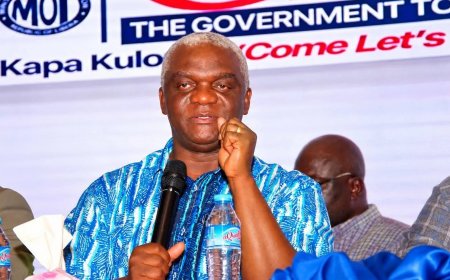
MONROVIA, Liberia — Political leader of the Citizens Movement for Change (CMC), Representative Musa Bility, has sharply challenged Inspector General of Police Gregory O.W. Coleman over the August 17 communication to Gbarpolu County Senator Amara Konneh, insisting that Liberia’s police authority is constitutionally limited and must not be used to silence political criticism or shift the burden of investigating an alleged drug cartel onto an elected lawmaker.
Bility said the police have a constitutional responsibility to investigate crimes, gather evidence and pursue suspects, but argued that a communication from the Inspector General cannot automatically compel a citizen or lawmaker to provide information without a subpoena, summons, indictment or court order. “The Inspector General and every security institution must understand one fundamental principle: police authority is not unlimited. It is created by law, defined by law, and restricted by law,” Bility declared.
According to him, the communication to Senator Konneh does not identify any criminal offense allegedly committed by the senator and does not contain a judicial order or lawful subpoena requiring him to surrender information. Bility therefore maintained that the police cannot transform what he described as an official caution into a mechanism for restricting political speech. “Liberia is a constitutional democracy. We are not running a police state,” he stressed.
Bility invoked Article 15 of the Liberian Constitution, arguing that it protects freedom of expression, the right to hold opinions without interference and the right of citizens to be informed about the government and its functionaries. He also cited Article 42, which provides constitutional protections to members of the Legislature for opinions expressed in the exercise of their official functions. “These constitutional protections apply whether the government agrees with the criticism or not,” Bility said.
The CMC political leader defended Senator Konneh’s questions surrounding the handling of Liberia’s major cocaine investigation, including concerns about the suspension or dismissal of officers, transparency in prosecutions and whether officials should oversee investigations involving institutions under their command. “The police may disagree with his conclusions. The government may respond publicly. But disagreement does not give the police authority to caution an elected Senator into silence,” Bility argued.
Bility further rejected any suggestion that Senator Konneh should be responsible for completing the police investigation, saying the responsibility for investigating crimes rests with investigators, prosecution belongs to the Ministry of Justice and the courts determine guilt. “The burden of investigating this cocaine network cannot be shifted onto those asking legitimate questions,” he said, adding that if anyone believes the senator has committed defamation, the Constitution provides judicial remedies rather than allowing the police to create a separate system for regulating criticism of government officials.
The CMC leader said the controversy goes beyond Senator Konneh, warning that a pattern of official pressure against outspoken political figures could create a dangerous perception that state institutions are being used to discipline political speech.
He referenced previous controversies involving Senator Edwin Snowe and former House Speaker J. Fonati Koffa, arguing that the government must be careful not to undermine the same constitutional freedoms that protected the Unity Party when it was in opposition. “The freedoms that protected the Unity Party in opposition cannot suddenly become unacceptable because the Unity Party is now in power,” Bility declared.
Bility ultimately called for a genuinely independent, internationally led investigation into the cocaine saga, arguing that the security apparatus cannot investigate itself and simultaneously expect unquestioned public confidence. “The message is simple: investigate the drug network. Follow the evidence.
Prosecute everyone against whom credible evidence exists. But do not police opinions, intimidate critics, or attempt to silence elected representatives,” he said. He concluded with a warning that “police power ends where constitutional rights begin,” insisting that Liberia must remain governed by law and “must never become a police state.”
What's Your Reaction?
 Like
0
Like
0
 Dislike
0
Dislike
0
 Love
0
Love
0
 Funny
0
Funny
0
 Angry
0
Angry
0
 Sad
0
Sad
0
 Wow
0
Wow
0