






“No One Is Above The Law” Sumo Mulbah Blasts Politicians Defending Jewel

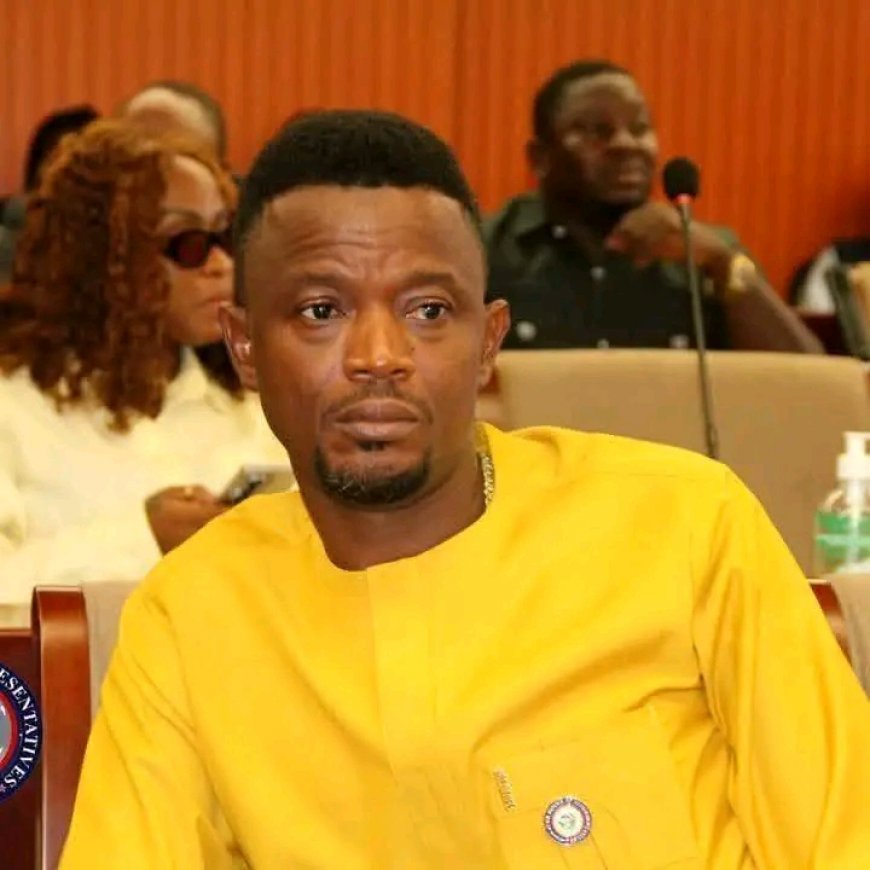
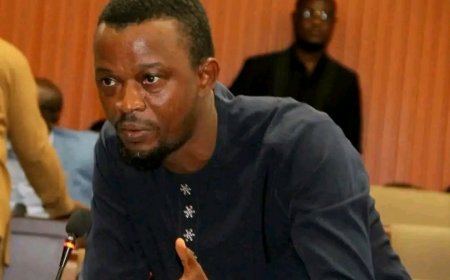
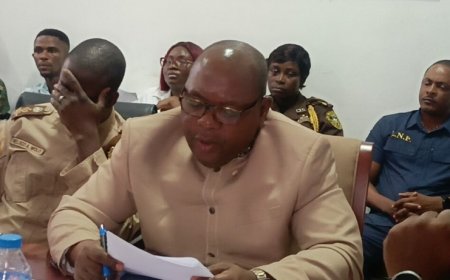
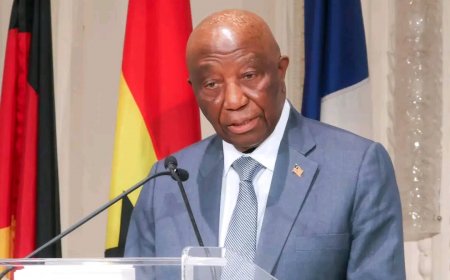
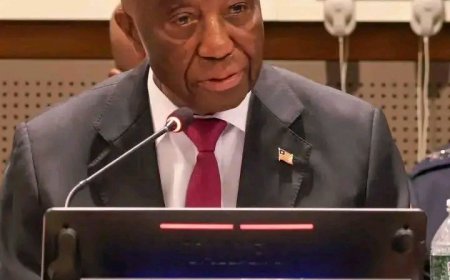
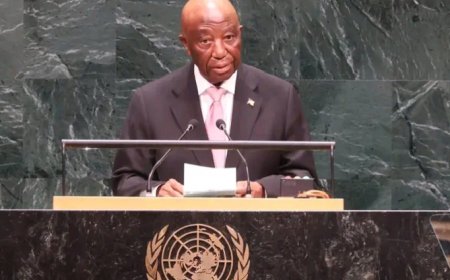
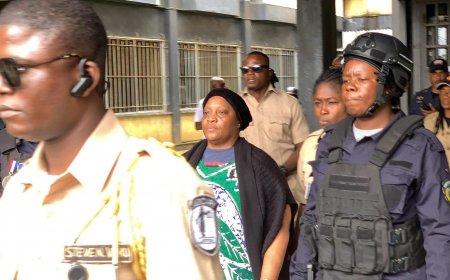
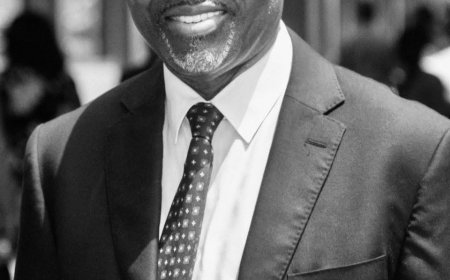
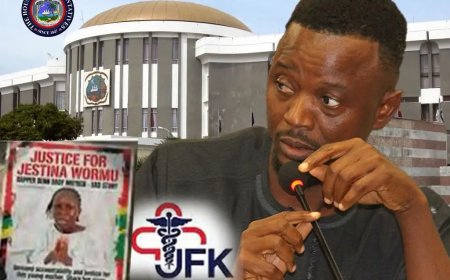
Monrovia, Liberia:Montserrado County District #3 Representative Sumo Mulbah has launched a blistering attack on opposition politicians defending former Vice President Jewel Howard Taylor in the ongoing transnational drug case, warning that Liberia cannot claim to uphold the rule of law while creating special treatment for powerful political figures.
In an open letter directed at politicians including Senator Garrison Yealue and Senator Kogar, Mulbah says calls for house arrest or the immediate release of Taylor amount to an attempt to create a two-tier justice system in which political elites receive privileges unavailable to ordinary Liberians.
“I write this to directly confront the growing, hypocritical chorus of opposition politicians,” Mulbah declares, arguing that an alleged connection to a transnational narcotics enterprise should leave “zero room for elite privilege, political shields, or selective luxury treatment.”
The lawmaker strongly rejects claims that the government's actions against Taylor amount to a “political witch-hunt,” “selective justice,” or an “abuse of power,” insisting that such arguments cannot be used to secure what he describes as comfortable treatment for an elite suspect while ordinary citizens face the full weight of the justice system.
“Justice and the enforcement of the law do not differentiate or select based on status, title, or past political portfolios,” Mulbah writes, pointing to Articles 11(a), 11(c), and 20(a) of the 1986 Constitution as guarantees of equality before the law and due process for every person.
Mulbah further invokes Liberia's Controlled Drugs and Substances Act of 2023, arguing that serious narcotics offenses are treated as first-degree felonies and that the gravity of such allegations should not be weakened because the accused once occupied one of Liberia's highest constitutional offices.
“To demand house arrest or a ‘gilded’ detention environment for an elite suspect completely undermines the statutory gravity of a first-degree felony,” he says, warning that such treatment would send a dangerous message that “the law applies only to people with low incomes.”
The Montserrado lawmaker then turns his criticism directly toward political leaders, saying Liberians' taxes fund lawmakers' salaries, official vehicles and other privileges, and therefore public officials accused of violating the law must be subjected to the same legal processes as ordinary citizens. “True leadership requires absolute accountability,” Mulbah stresses.
Concluding his forceful message, Mulbah calls for an end to what he describes as “two-tier justice” in Liberia and urges politicians to allow the courts to perform their constitutional duties without political pressure. “No office is too high, no title is too sacred, and no politician is too powerful to be held accountable by the law of the land,” he declares.
What's Your Reaction?
 Like
5
Like
5
 Dislike
1
Dislike
1
 Love
1
Love
1
 Funny
0
Funny
0
 Angry
0
Angry
0
 Sad
1
Sad
1
 Wow
1
Wow
1