












Rubber Sector Under Scrutiny as NBC Boss Warns of Threats to Concession Investments

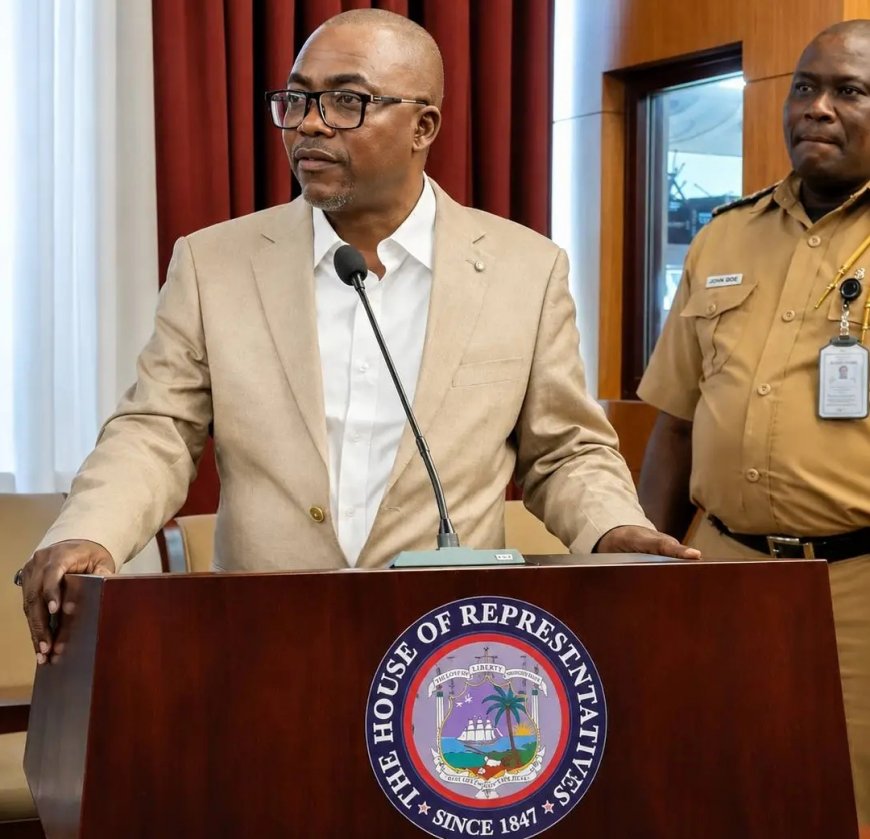
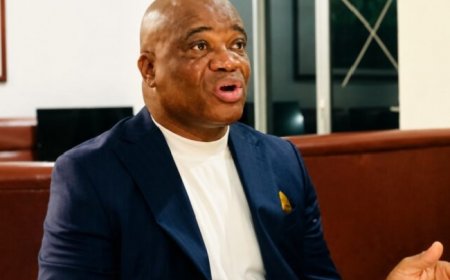
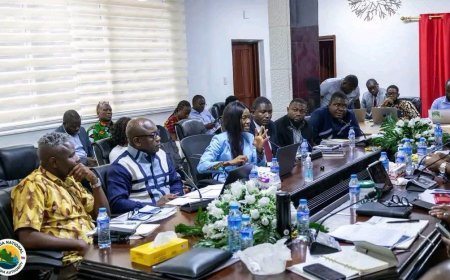
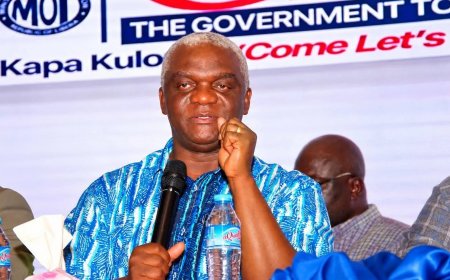
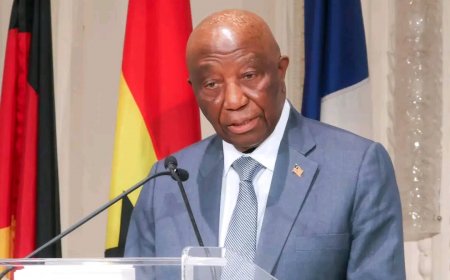
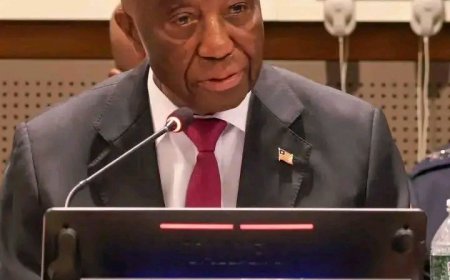
Monrovia, Liberia:Concerns over Liberia’s rubber industry took center stage at the House of Representatives on June 25, 2026, when the Director General of the National Bureau of Concessions (NBC), Hanson S. Kiazolu, appeared before plenary to warn that unregulated rubber trading is weakening concession agreements and threatening national economic stability.
Kiazolu’s appearance followed a communication from Grand Bassa County District #5 Representative Thomas A. Goshua, which raised concerns over increasing informal rubber purchases by unauthorized agents operating outside established regulatory frameworks.
Lawmakers said the issue is no longer limited to market competition but has evolved into a structural challenge affecting concession compliance, government revenue, and the sustainability of large-scale agricultural investments.
Addressing plenary, Kiazolu stressed that the NBC’s mandate is to ensure that concession agreements are respected by all parties while protecting both investors and Liberian farmers.
“As the institution mandated to monitor and verify compliance with concession agreements, the National Bureau of Concessions remains committed to ensuring that investors honor their obligations while safeguarding the economic interests of the Liberian people,” he told lawmakers.
He warned that unchecked rubber trading by unregulated actors could destabilize the sector by depriving concession companies of raw materials needed for production, with direct consequences for jobs and government income.
“When concession companies are deprived of the raw materials necessary to sustain their operations, the viability of those investments is threatened. This can lead to reduced production, declining revenues, and potentially the retrenchment of Liberian workers,” Kiazolu cautioned.
The NBC boss further told lawmakers that the problem extends beyond commerce, describing it as a national development risk that undermines industrial growth and weakens investor confidence in Liberia’s agricultural sector.
He outlined a set of reform priorities, including stricter enforcement of existing regulations, full implementation of Executive Order No. 151 on value addition, and improved interagency coordination between the NBC, Liberia Agriculture Commodity Regulatory Authority, the Ministry of Agriculture, and the Liberia Revenue Authority.
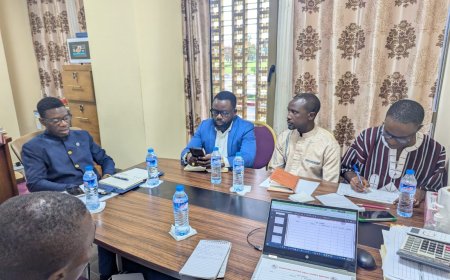
Following deliberations, lawmakers acknowledged the concerns and agreed on the need for coordinated intervention, resolving to establish a special committee to engage stakeholders and develop practical solutions for the rubber sector.
The House emphasized that safeguarding Liberia’s concession system is critical to protecting jobs, increasing revenue, and maintaining stability in one of the country’s most important agricultural industries.
Kiazolu’s engagement was widely viewed by lawmakers as a signal of increasing regulatory pressure on commodity trading practices that fall outside formal concession arrangements.
The House reaffirmed its commitment to ensuring that Liberia’s natural resource sectors operate within legal frameworks that balance investor interests with national development goals.
As discussions continue, attention is now shifting toward how quickly government institutions can harmonize enforcement mechanisms to curb illegal trading while preserving livelihoods in rubber-producing communities.
What's Your Reaction?
 Like
0
Like
0
 Dislike
0
Dislike
0
 Love
0
Love
0
 Funny
0
Funny
0
 Angry
0
Angry
0
 Sad
0
Sad
0
 Wow
0
Wow
0