












“Weaponizing Liberian Youths Must Cost You Your Freedom And Office Rep. Sumo Mulbah”

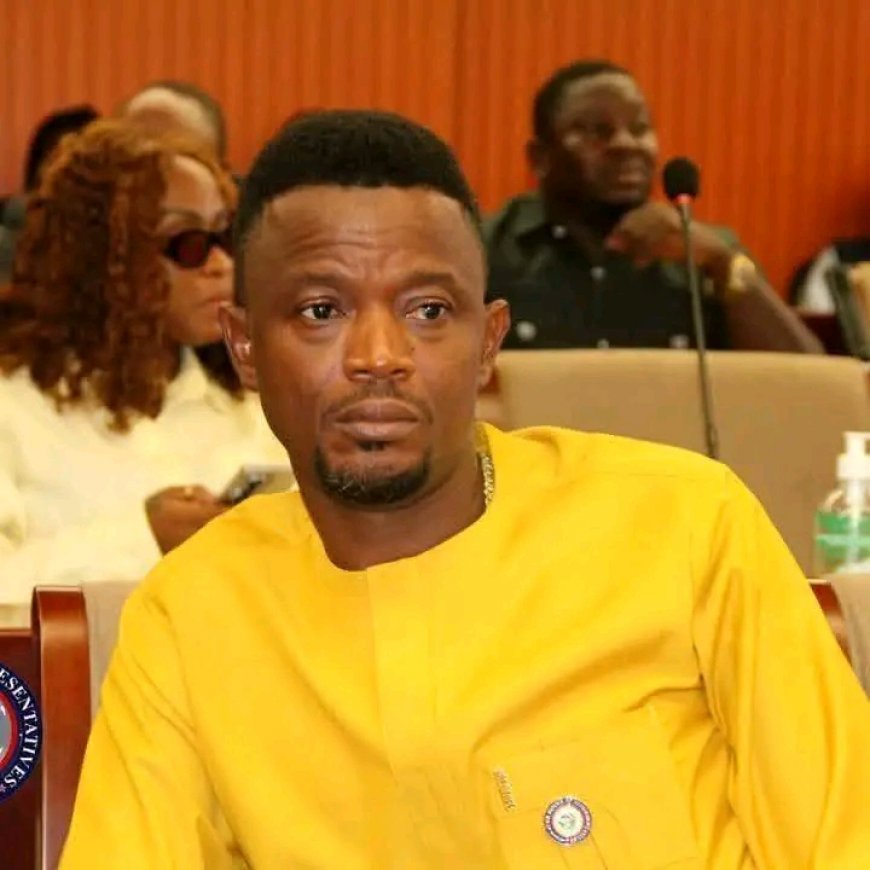
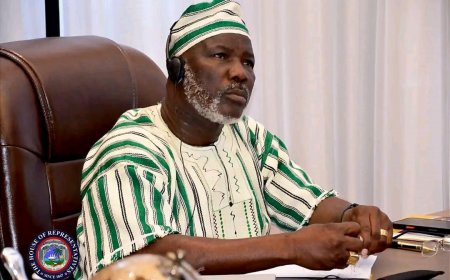
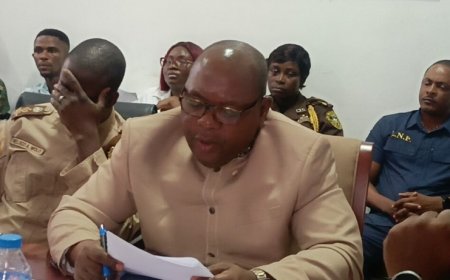
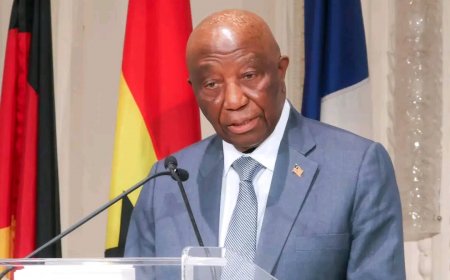
MONROVIA — Montserrado County District #3 Representative Sumo Mulbah has launched a fierce legislative push against cybercrime, misinformation and politically sponsored online attacks, proposing prison sentences of up to 12 years, massive asset forfeiture and lifetime bans from public office for politicians who recruit or finance young people to commit illegal digital acts.
Presenting his proposed legislation to colleagues of the 55th Legislature, Mulbah said Liberia could no longer allow social media to become a battlefield where political actors allegedly manipulate unemployed young people to spread false information, create public panic and attack the reputation of individuals and the country. “Any politician, public official or elite operatives who hire or weaponize our youth for illegal digital acts should be sentenced to 7 to 12 years in prison, face massive corporate asset forfeiture, and a lifetime ban from holding public office in Liberia,” Mulbah declared.
The District #3 lawmaker is proposing an Act titled “An Act to Prevent and Punish Social Media Crimes, Public Misinformation, False Alarms, Defamation, and the Malicious Undermining of the National Image.” He argues that the legislation is intended to confront what he describes as a growing culture of weaponized disinformation and the misuse of Liberia’s digital space for political and social manipulation.
Mulbah told lawmakers that Liberia’s national security and economic future could be threatened by uncontrolled digital misinformation, particularly when social media platforms amplify sensational claims faster than truthful information. “Our national growth, security, and economic prosperity rely on our vigilant administration of our digital public square and the defense of our national image,” he said, while urging lawmakers to support what he called a “pivotal legislative agenda.”
At the center of the proposed bill is a three-tier penalty system. According to Mulbah, individuals found guilty of maliciously spreading false information or slandering citizens or public officials could face two to five years in prison and significant fines, while those involved in coordinated campaigns capable of creating mass panic or threatening national security could face five to ten years behind bars without a fine option.
But the most controversial provision targets political financiers and powerful actors. Mulbah proposes that politicians, public officials and elite operatives who allegedly bankroll, recruit or “weaponize” young people for illegal digital activities face seven to 12 years in prison, massive corporate asset forfeiture and a lifetime prohibition from holding public office. “Most importantly, it will liberate our youth by breaking this chain of political exploitation,” Mulbah said.
The lawmaker also linked Liberia’s digital environment to the country’s economic prospects, arguing that persistent false alarms, online attacks and campaigns designed to discredit national institutions could undermine investor confidence. He maintained that passage of the bill would help “restore international confidence,” protect national security and reduce the resources government agencies spend responding to what he described as manufactured public panic.
Mulbah further argued that ordinary Liberians would benefit from stronger legal protection against online bullying, deepfakes, character assassination and coordinated digital attacks. He said the country should focus on turning unemployed young people toward jobs, vocational training and scholarships rather than allowing them to become tools in political battles conducted through Facebook and other online platforms.
Invoking Article 15(a) of Liberia’s 1986 Constitution and Article 29 of the Universal Declaration of Human Rights, Mulbah argued that freedom of expression comes with responsibility. “Freedom of speech is a legally qualified right that carries corresponding personal responsibility, rather than being an absolute privilege,” he said, calling on lawmakers to support what he described as a historic effort to protect Liberia’s digital space while preserving national stability.
Mulbah’s proposal is certain to ignite a major national debate over where Liberia should draw the line between combating cybercrime and protecting freedom of expression. While the lawmaker insists the measure is designed to punish criminal conduct and protect citizens, its proposed prison terms, asset forfeiture and lifetime political bans could become some of the most consequential and controversial provisions in Liberia’s emerging fight over digital speech and political influence.
What's Your Reaction?
 Like
2
Like
2
 Dislike
2
Dislike
2
 Love
4
Love
4
 Funny
2
Funny
2
 Angry
1
Angry
1
 Sad
4
Sad
4
 Wow
1
Wow
1