




















How Long Will Monrovia Drown in Garbage? House Sets Up New Committee as Waste Crisis Spirals

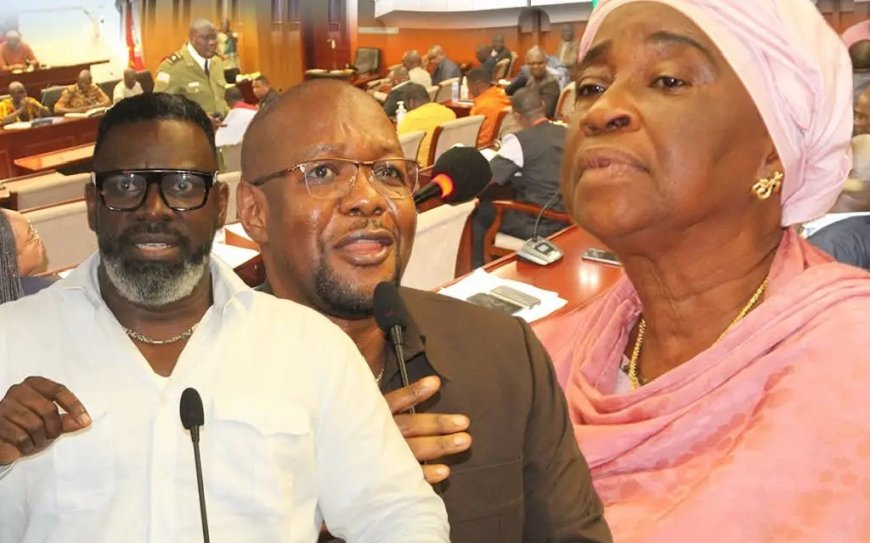
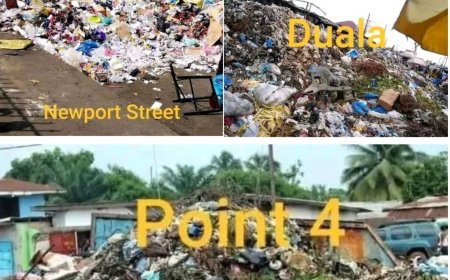
Capitol Hill, Liberia:The House of Representatives has established a specialized committee to confront Liberia's worsening waste management crisis, as lawmakers acknowledged that overflowing garbage in Monrovia and Paynesville has become a growing threat to public health and the environment.
The decision followed a communication from Representative James Kolleh, who raised concerns over poor sanitation in public marketplaces and the increasing accumulation of waste across the two cities. "The sanitation situation in our markets and communities requires urgent attention," Kolleh told his colleagues, urging the Legislature to take decisive action before the crisis worsens.
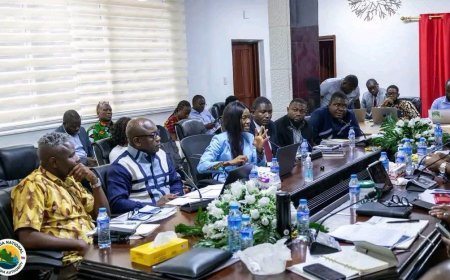
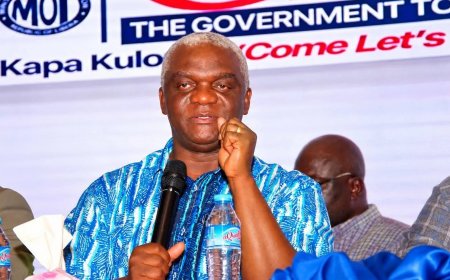
During Thursday's sitting, Monrovia City Mayor John-Charuk Siafa, Paynesville City Mayor Robert Bestman, and Liberia Marketing Association President Lusu K.S. Crawford briefed lawmakers on the challenges affecting waste collection and disposal. The officials pointed to inadequate equipment, limited funding, and the growing volume of waste as major obstacles to maintaining clean cities.
Following the presentations, Representative Dixon Seboe moved that a specialized committee be constituted to work with relevant institutions and technical experts to develop practical and sustainable solutions. "We must move beyond discussions and develop workable solutions that will permanently address this challenge," Seboe said as members endorsed the proposal.
Speaker Richard Nagbe Koon subsequently appointed Representative Gbessie Sonii Feika as Chair and Representative Nyahn G. Flomo as Co-Chair. Other members include Representatives Marie Johnson, Isaac Bannie, Mustafa Waritay, Emmanuel Yarh, and Priscilla A. Cooper, while Representatives Dixon Seboe, Prince Koinah, Ellen Attoh-Wreh, and Cllr. Michael M. Thomas will serve as members of the House's expert financial committee. The committee has been given two weeks to submit its findings and recommendations to the Plenary.
Health experts warn that the continued accumulation and improper disposal of garbage can have serious public health consequences, including outbreaks of cholera, typhoid, diarrhea, malaria, and other communicable diseases. Piles of waste also attract flies, mosquitoes, and rodents, contaminate water sources, produce foul odors, block drainage systems leading to floods, and increase air pollution through the burning of refuse.
Residents and environmental advocates are calling on the government to enforce sanitation laws, provide more public waste bins, increase the number of garbage collection trucks, promote recycling, strengthen public education on proper waste disposal, introduce community clean-up initiatives, and impose tougher penalties on individuals and businesses that dump waste indiscriminately.
Many residents believe that without sustained investment, stronger enforcement, and greater public cooperation, Liberia's waste management crisis will continue to pose a serious threat to public health, environmental safety, and the country's overall development.
What's Your Reaction?
 Like
1
Like
1
 Dislike
0
Dislike
0
 Love
0
Love
0
 Funny
0
Funny
0
 Angry
0
Angry
0
 Sad
0
Sad
0
 Wow
0
Wow
0