











Justice in Chambers Rejects Bid To Halt Jury Tampering Investigation in US$6.2 Million Corruption Case
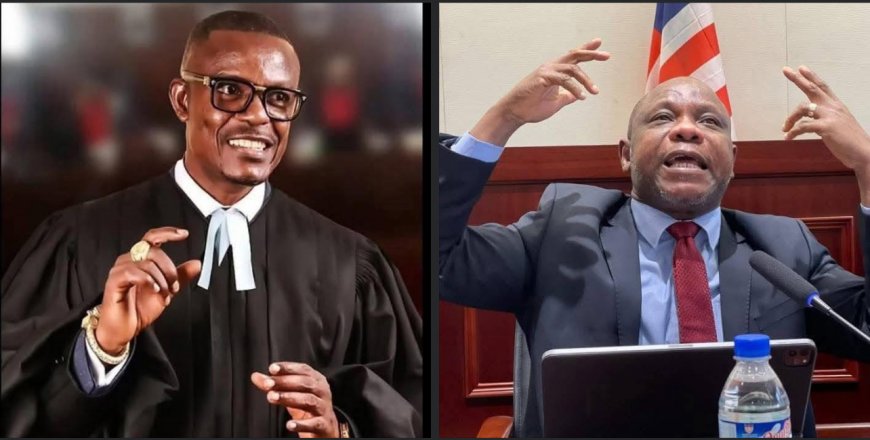
Monrovia, Liberia: A major twist has emerged in the ongoing US$6.2 million corruption case involving former Finance Minister Samuel Tweah and several others, as the Justice in Chambers has rejected a writ seeking to dismiss an active investigation into alleged jury tampering.
The decision means investigators are now cleared to continue probing serious allegations that jurors connected to the high-profile corruption trial may have been influenced or bribed during the proceedings.
The case has attracted significant public attention across Liberia, with many citizens demanding transparency and accountability over claims that the judicial process may have been compromised.
Legal experts say the Justice in Chambers’ ruling is a strong indication that the Supreme Court is allowing the investigation to proceed without interference, at least for now. The court’s decision does not determine guilt or innocence, but it keeps the spotlight firmly on the allegations surrounding the conduct of jurors in the case.
Questions are now growing louder:
Who attempted to influence the jurors? Were financial inducements offered? And who may be behind the alleged interference in one of Liberia’s most talked-about corruption cases?
The US$6.2 million corruption case is one of Liberia’s biggest recent financial scandal cases involving former senior officials of the administration of former President George Weah.
At the center of the case is former Finance and Development Planning Minister Samuel Tweah, along with several former government officials accused of illegally withdrawing and misusing about US$6.2 million and L$1 billion that were allegedly intended for national security operations.
How the Case Started
The case began after Liberia’s current government under President Joseph Boakai launched investigations into the use of public funds by previous officials.
Authorities alleged that huge amounts of money were taken from the Central Bank of Liberia and the Ministry of Finance through suspicious transactions tied to the Financial Intelligence Agency (FIA) and national security spending.
Prosecutors claimed the money was withdrawn in cash without proper documentation, accountability, or legal procedures.
The accused officials denied wrongdoing and argued that the funds were used for legitimate national security purposes approved by the presidency.
Why the Case Became Controversial
The case quickly became politically explosive because it involved:
- Former top officials of the Weah administration
- Alleged misuse of national security funds
- Claims of political targeting
- Questions about whether confidential security spending can be publicly prosecuted
Supporters of the accused argued the government was carrying out a political witch-hunt, while critics said public officials must still account for taxpayers’ money, even under “national security” claims.
The Jury Tampering Allegation
During the court proceedings, controversy deepened after allegations surfaced that some jurors may have been approached, influenced, or bribed.
Those allegations triggered a separate investigation into possible jury tampering, a very serious offense because it threatens the credibility of the entire judicial process.
Lawyers connected to the accused later filed a writ asking the Justice in Chambers to stop or dismiss that investigation.
But the Justice in Chambers has now rejected that request, meaning the investigation into the alleged jury tampering will continue.
Why This Matters
This case matters because it touches three major issues in Liberia:
- Corruption and accountability at the highest level
- Public trust in the court system
- Political tensions between former and current administrations
If investigators eventually prove jury tampering occurred, it could affect public confidence in the entire trial and may even lead to additional criminal charges against anyone found responsible.
The investigation is expected to continue in the coming days as authorities work to establish whether members of the jury were unlawfully approached or compromised during the trial process.
This remains a developing story.
What's Your Reaction?
 Like
0
Like
0
 Dislike
0
Dislike
0
 Love
0
Love
0
 Funny
0
Funny
0
 Angry
0
Angry
0
 Sad
0
Sad
0
 Wow
0
Wow
0