




















Lawmaker Raises Constitutional Questions Over Anti-Corruption Court Law

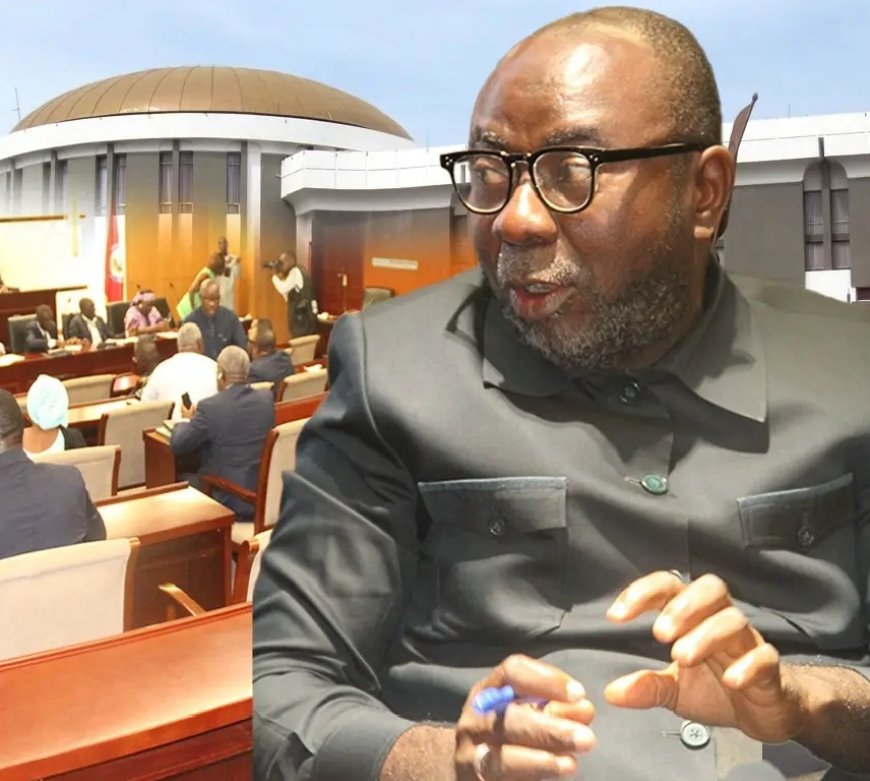
Capitol Hill, Liberia:Concerns over the constitutionality of a key provision in Liberia’s Anti-Corruption Court law have reached the floor of the House of Representatives, with lawmakers being urged to examine whether parts of the legislation undermine the constitutional right to the presumption of innocence.
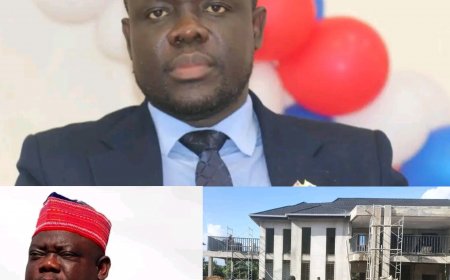
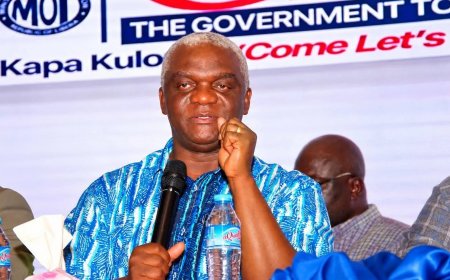
The issue was brought before Plenary through a formal communication submitted by Montserrado County District #14 Representative, Muka Kamara, who questioned the legality of Section 5 of Title 17(a) of the Revised Liberian Code of Laws establishing the National Anti-Corruption Court.
In his communication, Representative Kamara argued that the section dealing with the "Presumption of Innocence" may be inconsistent with protections guaranteed under Liberia’s 1986 Constitution, particularly Article 21(h), which safeguards the rights of accused persons.
"Every person shall be presumed innocent until the contrary is proved beyond a reasonable doubt," Kamara reminded fellow lawmakers, citing the constitutional provision he believes should remain paramount in all judicial proceedings.
The lawmaker contended that the wording of Section 5 could be interpreted as shifting part of the burden of proof from the prosecution to the accused, a situation he warned could weaken one of the most fundamental principles of justice and due process.
"The burden to establish guilt must remain with the State," Kamara emphasized, urging legislators to ensure that no statutory provision erodes constitutional protections afforded to citizens.
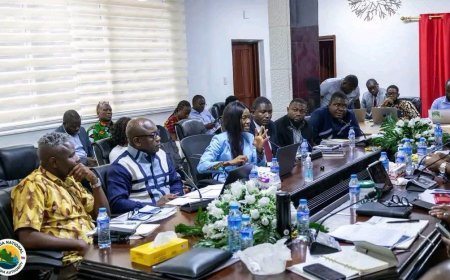
The communication sparked debate among members of the House, with lawmakers expressing differing opinions on the matter. While some acknowledged the constitutional concerns raised, others maintained that the law was not formally before the Legislature for amendment and therefore Plenary could not immediately move to alter or remove any provision.
Kamara also referenced Article 2 of the Constitution, which declares the Constitution the supreme law of Liberia and provides that any law found to be inconsistent with it shall be considered null and void to the extent of the inconsistency. "No statute can supersede the Constitution," he asserted.
Although no final decision was reached, Plenary formally noted the communication, setting the stage for possible future discussions on the balance between strengthening anti-corruption enforcement and protecting constitutional rights.
The debate highlights growing legislative scrutiny over whether existing laws fully comply with the nation's constitutional framework while maintaining accountability in the fight against corruption.
What's Your Reaction?
 Like
0
Like
0
 Dislike
0
Dislike
0
 Love
0
Love
0
 Funny
0
Funny
0
 Angry
0
Angry
0
 Sad
0
Sad
0
 Wow
0
Wow
0