



















ActionAid Chief Warns of Climate Threat, Youth Exclusion as Global Aid Shrinks

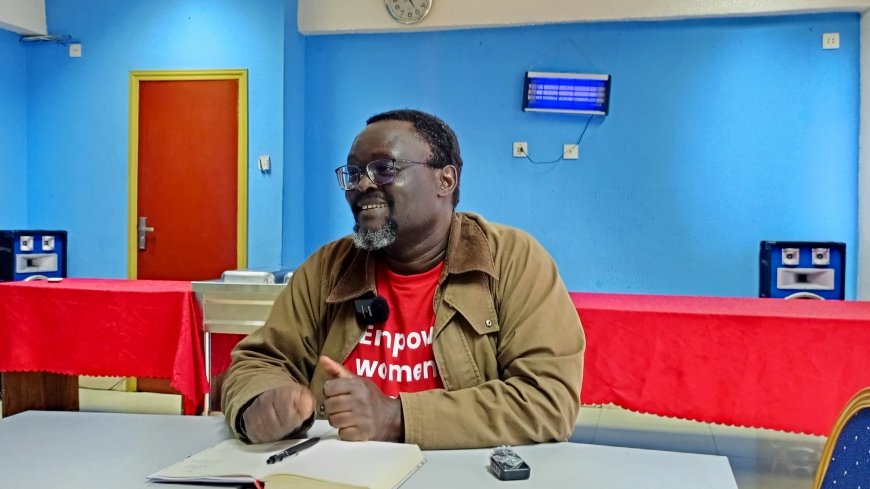
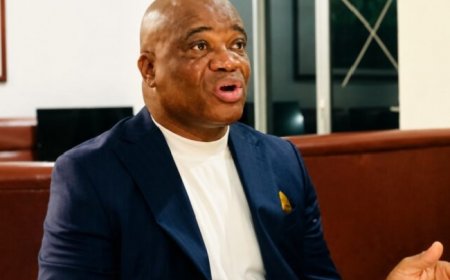
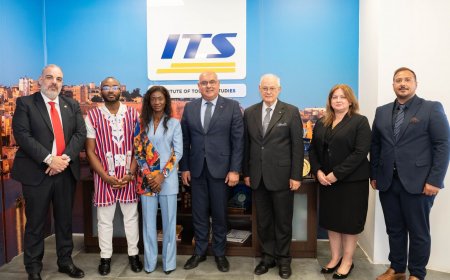
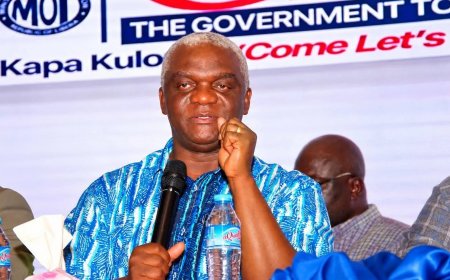
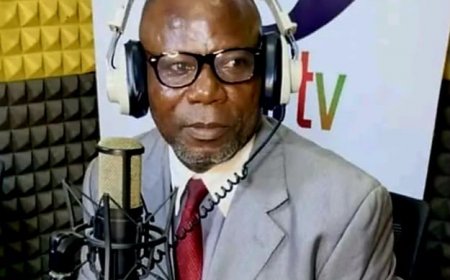
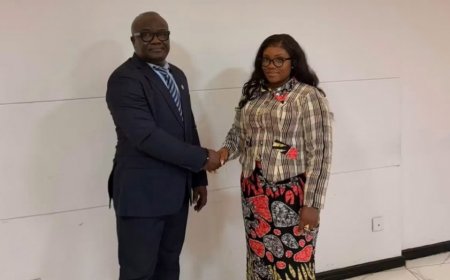
Monrovia, Liberia:The growing impact of climate change, the exclusion of young people from key decision-making processes, and declining international development assistance pose some of the greatest threats to Liberia's future, according to ActionAid International Secretary General Arthur Larok, who concluded a week-long visit to the country with a call for urgent action from government, development partners and civil society.
Speaking after engagements with government officials, United Nations agencies, international NGOs, youth leaders and local communities, Larok said Liberia's development gains could be undermined if stakeholders fail to address environmental challenges, invest in young people and strengthen support for women-led initiatives.
The ActionAid chief said one of the most troubling observations during his first visit to Liberia was the visible impact of environmental degradation, particularly widespread plastic pollution and flooding in vulnerable communities.
"If there is one thing that I go back with a little sad about, it's the climate crisis," Larok said. "Everywhere I went, the amount of plastics in this country was shocking. We are seeing flooding and other environmental challenges, and communities are bearing the consequences."
He argued that while local environmental efforts remain important, solving the climate crisis will require tackling the global systems and industries that contribute most to greenhouse gas emissions. Larok identified fossil fuel extraction and industrial agriculture as major drivers of climate change and called for increased investment in renewable energy and sustainable development.
"We talk about climate justice because those who are least responsible for causing the climate crisis are the ones most affected by it," he said. "The solution requires changing global systems, financial systems and investment priorities, not just local action."
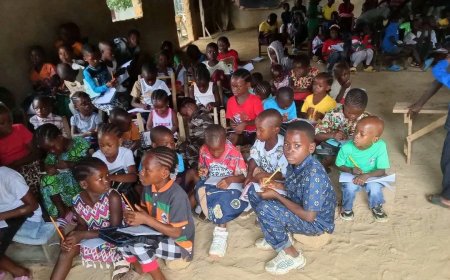
Larok also emphasized the need for greater youth participation in governance, stating that young people must be treated as current leaders rather than future leaders. He argued that Liberia's largely youthful population should have a stronger voice in shaping policies and national priorities.
"Youth are not leaders of tomorrow; they are leaders of today," he said. "If the majority of the population is young people, then they should be represented in the decisions that determine the future of the country."
The ActionAid leader further highlighted concerns over shrinking development funding worldwide, noting that many donor countries are increasingly diverting resources toward defense and security spending. He urged governments and development partners to focus on more effective use of existing resources while expanding domestic financing for development programs.
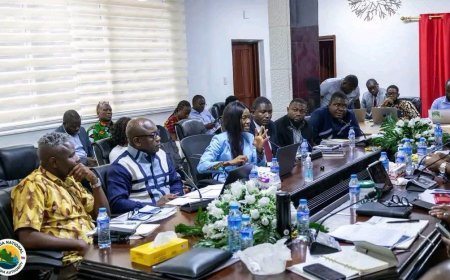
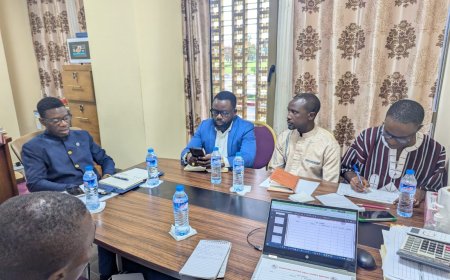
During meetings with United Nations agencies, government institutions and international organizations, Larok said discussions centered on poverty, inequality, climate justice and sustainable development. Participants also explored ways to strengthen partnerships and coordinate efforts as development organizations face growing financial pressures.
Despite the concerns raised during his visit, Larok said he remains encouraged by Liberia's progress since the end of its civil conflict. He pointed to the rise of women in leadership, community-led development projects and the resilience of local communities as signs that the country possesses the foundation needed to confront its challenges and build a more inclusive future.
What's Your Reaction?
 Like
0
Like
0
 Dislike
0
Dislike
0
 Love
0
Love
0
 Funny
0
Funny
0
 Angry
0
Angry
0
 Sad
0
Sad
0
 Wow
0
Wow
0