




























EJS Center Unveils Initiatives to Boost Women’s Political Participation Across Africa
The Ellen Johnson Sirleaf Presidential Center for Women and Development (EJS Center), has intensified efforts to confront the persistent underrepresentation of women in national decision-making, unveiling a suite of initiatives designed to expand political participation and recalibrate leadership structures across the country and the African continent. Positioned as more than a traditional advocacy institution, the Center reflects the post-presidential vision of former President Ellen Johnson Sirleaf, whose leadership legacy continues to influence governance reform, gender equity, and institutional transformation, following her historic tenure as Africa’s first democratically elected female president from 2006 to 2018.

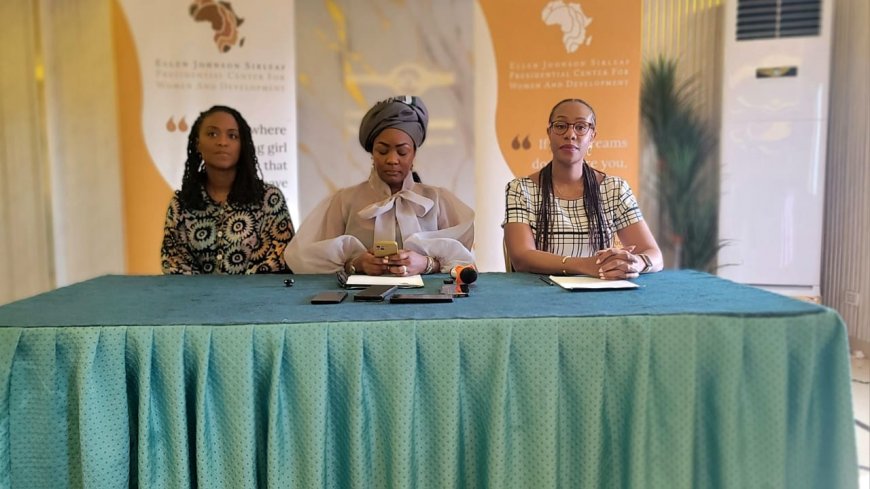
Monrovia, Liberia: The Ellen Johnson Sirleaf Presidential Center for Women and Development (EJS Center), has intensified efforts to confront the persistent underrepresentation of women in national decision-making, unveiling a suite of initiatives designed to expand political participation and recalibrate leadership structures across the country and the African continent.
Positioned as more than a traditional advocacy institution, the Center reflects the post-presidential vision of former President Ellen Johnson Sirleaf, whose leadership legacy continues to influence governance reform, gender equity, and institutional transformation, following her historic tenure as Africa’s first democratically elected female president from 2006 to 2018.
Established in 2018, the EJS Center was conceived as a strategic platform to drive systemic change by equipping women with the tools, networks, and institutional support required to ascend to executive and public service roles, thereby addressing structural barriers that have historically limited female political advancement.
Its foundation is deeply rooted in Sirleaf’s decision to channel a significant portion of her Ibrahim Prize for Achievement in African Leadership into building a pipeline for the next generation of women leaders, transforming personal recognition into a long-term continental investment in inclusive governance.
At a media engagement in Monrovia, officials of the Center detailed how the newly unveiled initiatives are anchored in data-driven analysis, drawing from a comprehensive research hub that monitors women’s representation across 54 African countries.
According to the Center’s findings, Liberia continues to record low levels of female participation in legislative governance, with women occupying approximately 11 percent of seats in the House of Representatives and 10 percent in the Senate, figures that underscore the urgency of targeted intervention.
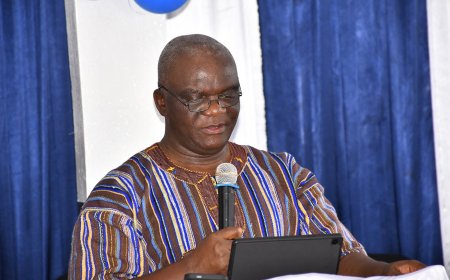
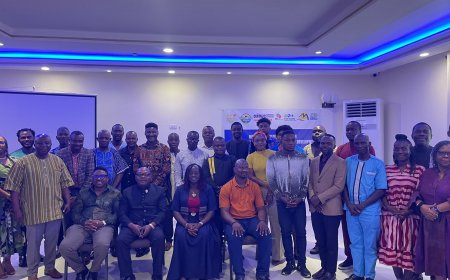
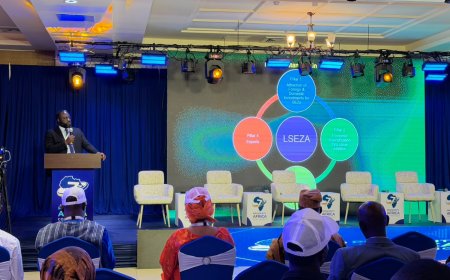
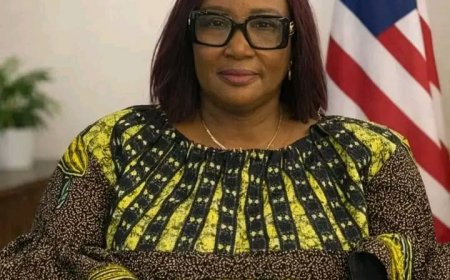
Addressing the media recently in Monrovia, theExecutive Director Ellen Olounfe Pratt emphasized that the Center’s approach goes beyond symbolic inclusion, focusing instead on building real influence within governance systems where policy decisions are shaped and implemented.
“Our work is grounded in research and evidence, drawing from a data hub that tracks women’s representation across 54 African countries, and what that data shows is that Liberia still has significant ground to cover in ensuring women are fully represented in governance,” Pratt stated.
She further highlighted the imbalance in narrative power within political discourse, stressing that leadership visibility remains uneven despite the growing presence of women across various sectors of Liberian society.
“Until the lion tells its story, the tale of the hunt will always favor the hunter,” Pratt stated, reinforcing the need to amplify women’s voices within leadership spaces where decisions are not only made but also interpreted and communicated.
Central to the newly unveiled initiatives is the strengthening of the Women’s Leadership Council, a cross-sectoral platform designed to unify women leaders from governance, civil society, and the private sector in identifying national priorities and driving coordinated policy action.
The Council is structured to move beyond ceremonial participation by embedding women directly into strategic discussions that influence development outcomes, ensuring that their perspectives shape both policy formulation and implementation.
“The Women’s Leadership Council is not about symbolic inclusion; it is about bringing women together from across sectors to identify priorities and drive coordinated action on issues affecting women nationwide, ensuring that their voices translate into real policy outcomes,” Pratt explained.
In parallel, the Center is expanding the Amujae Leaders Program, a flagship mentorship initiative that connects emerging African women leaders with experienced mentors, including high-level policymakers and established professionals.
Through this program, participants gain access to leadership training, strategic networks, and mentorship opportunities that enhance their capacity to navigate complex political and institutional environments.
“This work is not about celebrating one woman’s achievements; it is about building a future where women’s leadership is no longer an exception, but an expectation embedded within our institutions,” she added.
The Program Director Madonna Kedona described the initiative as highly competitive and impact-driven, noting that hundreds of applications are received annually, with a limited number of candidates selected based on leadership track record, community engagement, and commitment to mentoring others.
“This is not simply about recognition,” Kedona explained, emphasizing that the program is designed to equip participants with practical tools and platforms that enable them to lead effectively within their respective communities and professional spheres.
Participants also engage in the Amujae Leadership Forum, where they strengthen governance competencies, expand professional networks, and prepare to return to their communities as both leaders and mentors, thereby sustaining a cycle of leadership development.
The Center’s initiatives extend beyond programmatic interventions into long-term institutional infrastructure, with the development of “Musiehjah,” the African Women’s House, serving as a cornerstone of its vision for continental leadership collaboration.
Currently under development in Monrovia, the facility is designed to function as a hub for women leaders across Africa, integrating spaces for research, exhibitions, conferences, and policy engagement.
Architecturally designed by Mariam Issoufou, the structure draws inspiration from traditional Liberian palava huts, symbolizing dialogue, inclusivity, and community-centered leadership.
Significantly, the facility will house the world’s first presidential library dedicated to a female head of state, positioning Liberia as a global reference point in documenting and preserving women’s leadership history.
In support of this effort, the Center has partnered with Harvard University Library and Liberia’s National Archives to digitize records from Sirleaf’s presidency, ensuring that historical documentation is preserved and made accessible for research and public engagement.
Pratt described the archival initiative as a critical step in addressing gaps in historical documentation, noting that the preservation of leadership records plays a vital role in shaping future governance discourse.
“These archives are not just records of the past,” she stated, “but resources that inform the future by providing insight into leadership decisions, challenges, and outcomes.”
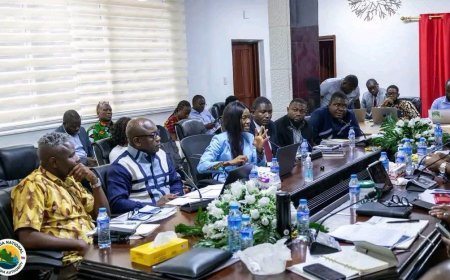
The Center’s leadership, including Chief Operating Officer Janelle Sirleaf and members of the Women’s Leadership Council, reiterated the institution’s commitment to building sustainable systems that support women’s leadership beyond individual programs.
What's Your Reaction?
 Like
0
Like
0
 Dislike
0
Dislike
0
 Love
0
Love
0
 Funny
0
Funny
0
 Angry
0
Angry
0
 Sad
0
Sad
0
 Wow
0
Wow
0